How Bears Can Smell Food From Over a Mile Away Even Under Snow

A hidden sense guides survival in frozen landscapes.
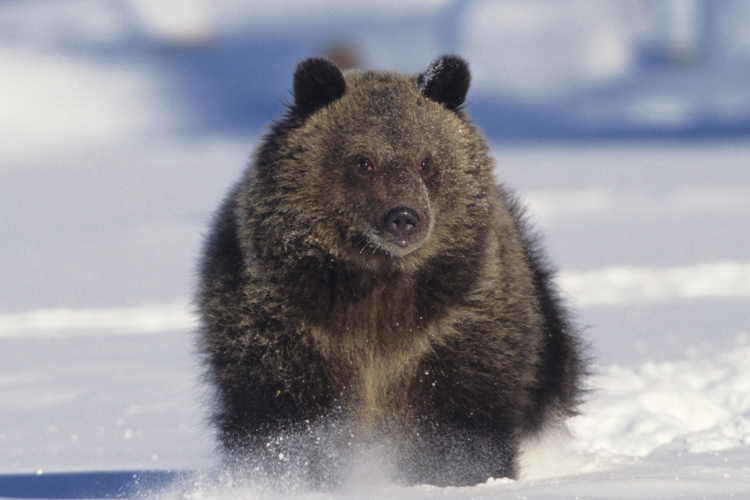
©Image license via Canva

In bear country across North America, this scene repeats itself every year. Food locked in coolers, buried under snow, or sealed inside vehicles is still found overnight. Snowstorms, freezing temperatures, and distance do not stop it. Bears are not guessing. Their sense of smell is so advanced that it functions as their primary survival tool, guiding them toward calories when landscapes look empty to human eyes. This ability is shaped by anatomy, physics, memory, and constant evolutionary pressure to find food efficiently in harsh environments.

Read more

Why Some Animal Species Are Thriving in a Warming World

Adaptability is quietly deciding which species move forward.

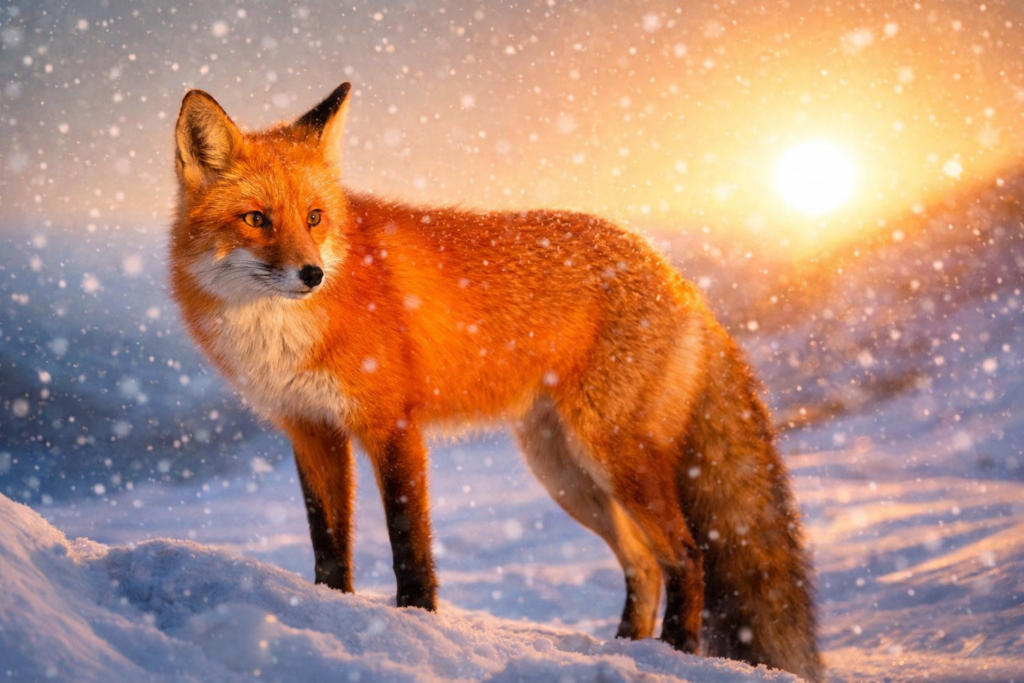
©Image license via PetsnPals/ChatGPT, red fox in the snow

Climate change is often discussed as a sweeping loss story, but the biological reality is more uneven. As temperatures rise, winters shorten, and ecosystems reorganize, some animals are not retreating at all. They are expanding ranges, reproducing more successfully, and exploiting conditions that disrupt others. These winners are not random. They share traits that reward flexibility, speed, and tolerance for disturbance. Looking closely at specific species reveals how warming reshapes ecosystems in selective, sometimes unsettling ways that are already visible across land, sea, and cities.

Read more

The Financial Habits Millennials Refuse To Copy From Their Parents

Why money rules quietly shifted across one generation.

©Image license via Canva

Millennials did not wake up one day and reject their parents’ financial playbook. The shift happened gradually, shaped by recessions, unstable job markets, exploding education costs, and housing prices that sprinted ahead of wages. Many of these habits formed between the 2008 financial crisis, the pandemic, and years of economic whiplash that rewarded flexibility over tradition. What looks like hesitation or defiance is often adaptation. These choices reflect a generation recalibrating survival, security, and success under very different conditions than the ones their parents faced.

Read more

What Happens When Endangered Animals Become Urban Neighbors

Cities are becoming unexpected wildlife refuges.

©Image license via Canva

Across the world, endangered animals are appearing in places built for people rather than wildlife. Suburbs, ports, drainage corridors, rail lines, and city parks now overlap with shrinking natural habitats. For some species, urban areas offer food, warmth, and fewer natural predators. For others, cities introduce vehicles, noise, disease, and conflict. These animals are not moving by choice alone. They are adapting under pressure. When endangered species begin living alongside people, survival improves in some ways and becomes more dangerous in others, reshaping conservation, public safety, and daily urban life.

Read more

Why Your Dog Constantly Watches You From Across the Room, and What It Means

That steady gaze carries more information than it seems.

©Image license via PetsnPals/ChatGPT, Golden retriever staring at owner

When a dog watches you from across the room, it is rarely random. This behavior appears in homes every day, whether during quiet evenings, busy mornings, or moments of rest. Dogs evolved to monitor key figures for safety, guidance, and opportunity. The distance does not weaken the connection, it sharpens it. A fixed gaze can signal bonding, anticipation, concern, or learned habit. Understanding why dogs observe from afar reveals how deeply their behavior is shaped by evolution, environment, and shared daily routines.

Read more