
New clues breathe life into an ancient mystery.
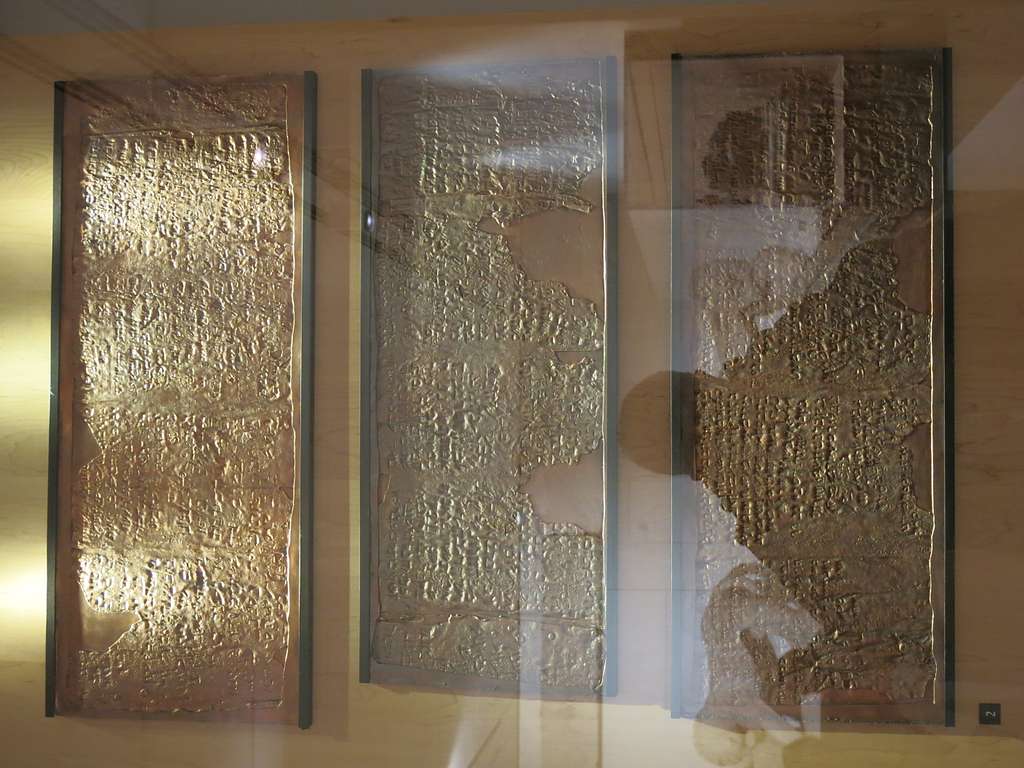
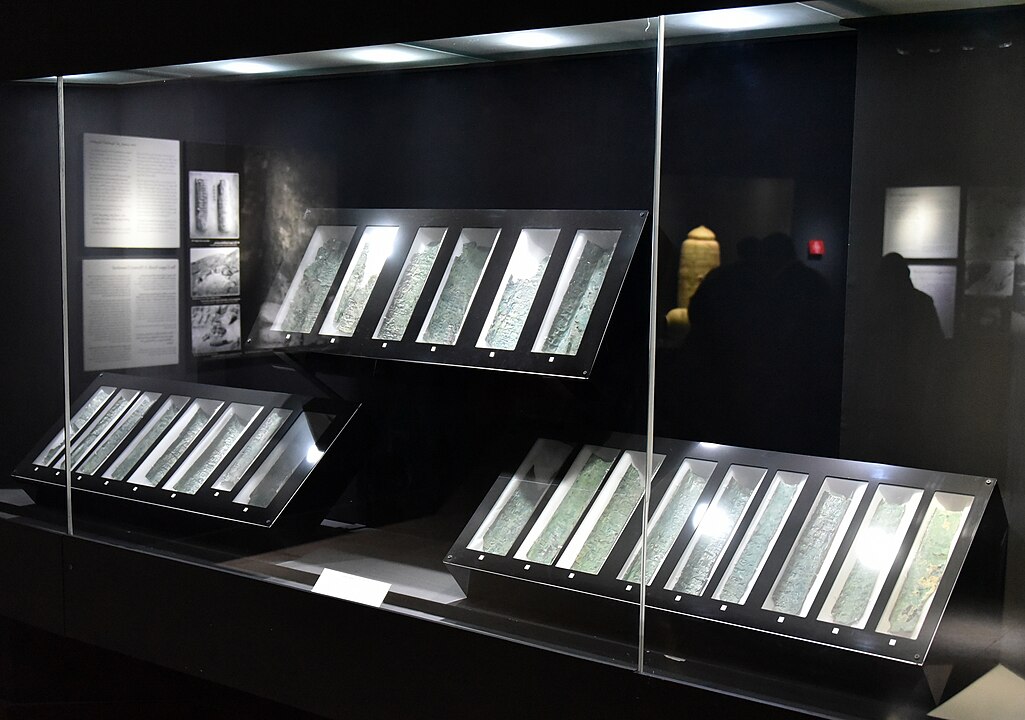
The Copper Scroll has always felt different from the other Dead Sea Scrolls. Where the others spoke in poetry, warnings and faith, this one read like an inventory written by someone racing against time. Seventy locations, vast sums of gold and silver, and cryptic directions carved into metal that refuses to decay. Now a new wave of archaeologists is returning to the puzzle, sensing that earlier generations may have overlooked clues hiding in plain sight. The quiet desert has not answered yet, but interest has never felt sharper.
1. Experts reexamined past translations for overlooked details.
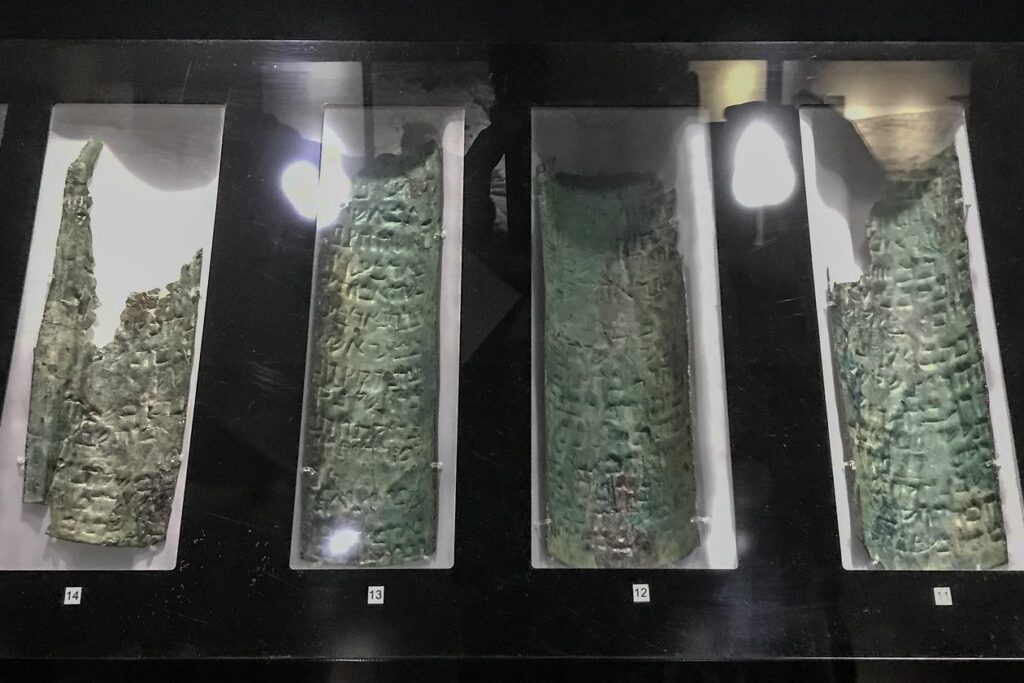
Scholars reviewing high resolution scans of the Copper Scroll noticed subtle wording differences compared to earlier translations, a shift highlighted according to the Jerusalem Post. These slight distinctions affect how distances and landmarks are interpreted, prompting researchers to revisit areas previously dismissed. Some phrases once thought symbolic now appear more literal, which changes the scope of possible search zones.
New interpretive models allow experts to cross reference ancient descriptions with modern terrain data. By layering linguistic nuance over satellite imagery, they can narrow the list of potential hiding spots dramatically. This style of cross disciplinary review is giving renewed energy to a document that has baffled researchers for decades. The scroll feels less mythical and more like a precise set of instructions waiting for the right analytical lens.
2. Surveys near Qumran revealed new subsurface anomalies.
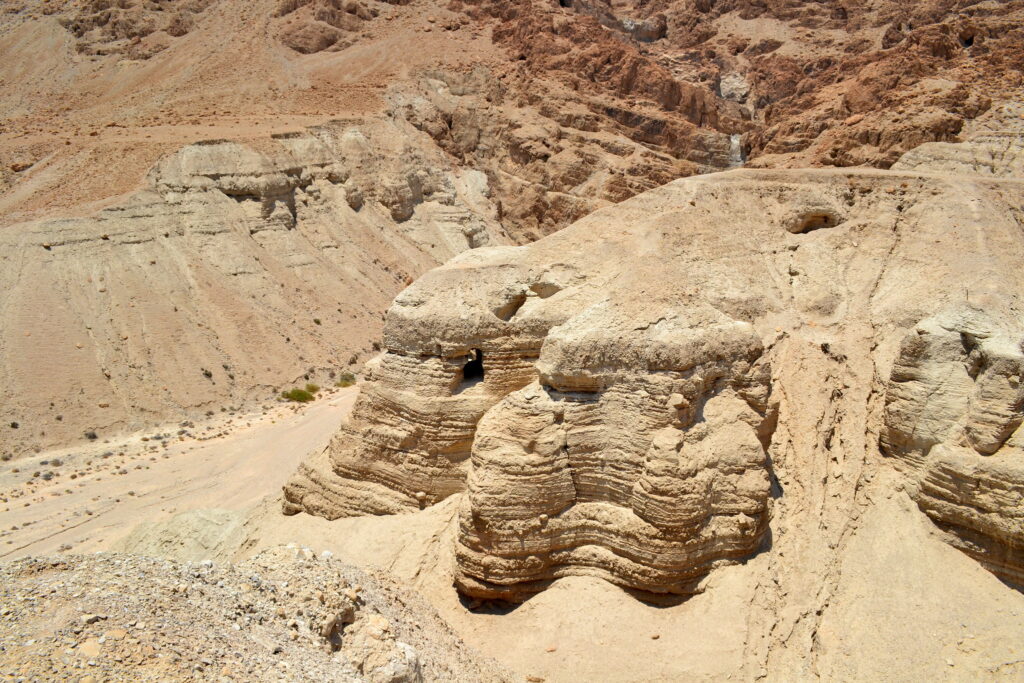
A recent ground survey around Qumran showed several unexplained underground cavities near areas associated with the scroll’s earliest discoveries, as stated by Haaretz. These anomalies do not confirm hidden treasure, but they hint that parts of the settlement have barely been explored. The scroll’s mention of caves, cisterns and narrow channels suddenly feels more relevant to these newly identified voids.
Teams using ground penetrating radar want to understand whether these pockets represent natural erosion or intentional construction. If the formations prove deliberate, they could align with descriptions of buried deposits listed in the scroll. That possibility has sparked cautious excitement. For the first time in years, researchers feel they may be working with new physical clues rather than abstract speculation.
3. Artifacts from nearby caves renewed interest in the region.
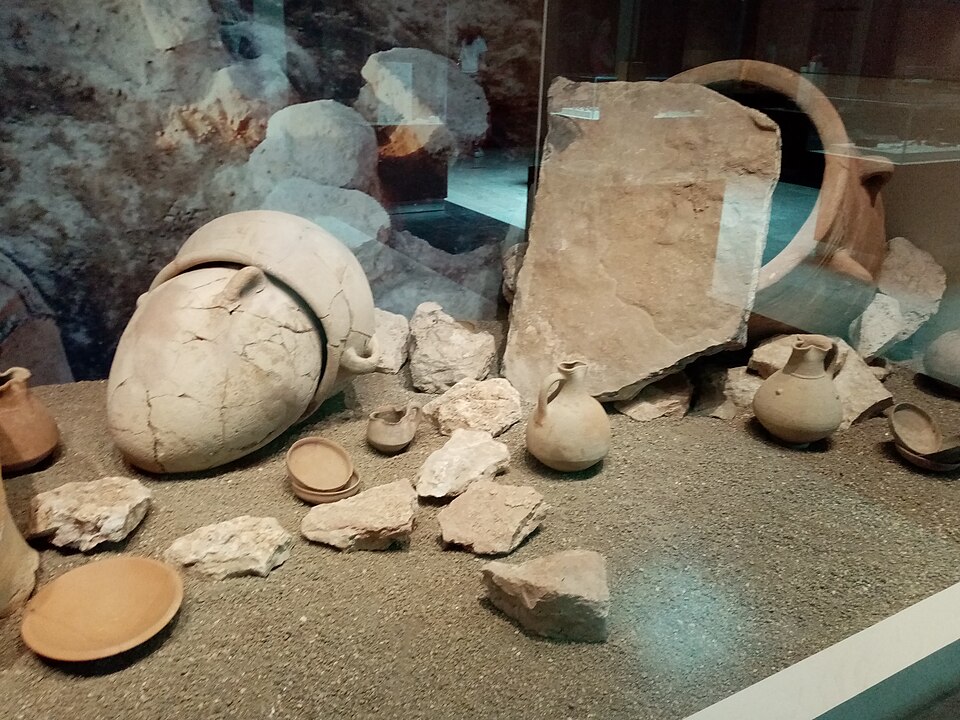
Recent finds of pottery fragments and textile remnants in lesser known caves near the Dead Sea have been documented as reported by Reuters. These artifacts appear to match the era when the Copper Scroll was created, raising the possibility that communities storing sacred or valuable items used a wider network of hiding places than previously assumed. The map of potential sites may extend well beyond the traditional excavation zones.
Archaeologists are now reevaluating the landscape with this broader context in mind. If multiple groups used the region as a secure storage corridor, the scroll’s references to scattered deposits across Judea seem more plausible. The timing of these discoveries feels significant because it anchors the scroll’s claims within a tangible archaeological framework rather than pure legend.
4. Some descriptions align with known ritual structures.
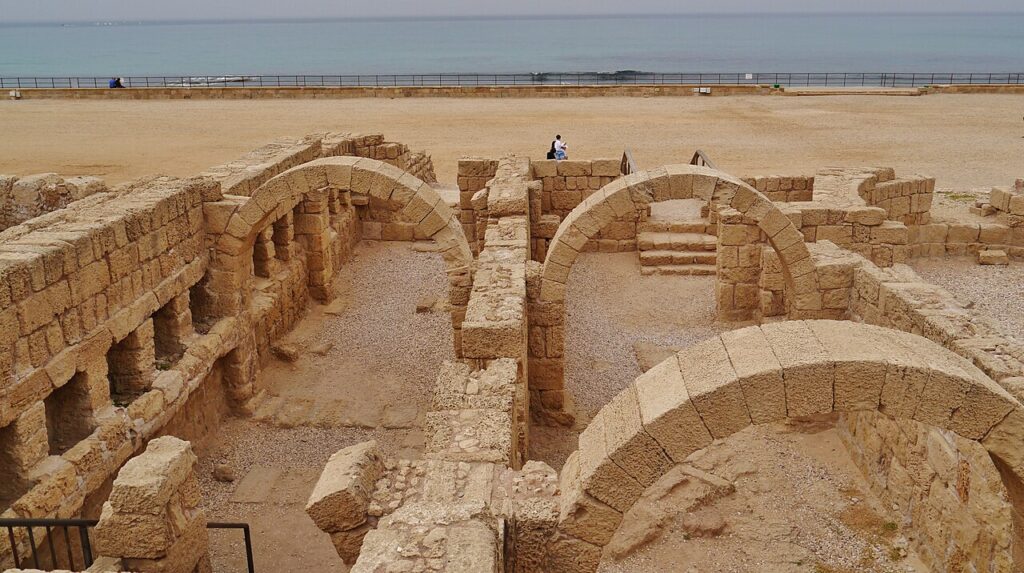
The Copper Scroll mentions reservoirs, thresholds and ritual pools. Several of these features match known architectural elements across Judea, especially in areas associated with communal purity practices. Researchers believe the writer used landmarks that would have been obvious to contemporaries but cryptic to later generations.
Matching these structures to specific locations requires careful interpretation, since landscapes have shifted over centuries. Still, the repeated references to water systems suggest that many hiding places were positioned near communal facilities. This helps limit the search to areas with documented archaeological layers rather than remote wilderness. Each match strengthens the idea that the scroll’s author expected someone familiar with these places to retrieve the items.
5. New GIS tools allow precise terrain reconstruction.
Modern geographic modeling lets researchers recreate the first century landscape far more accurately than earlier scholars could. Riverbeds, hill formations and settlement outlines have changed over time, but digital reconstructions can reveal where ancient paths once ran. These reconstructions help clarify why certain distances on the scroll appear oddly specific.
When researchers overlay the scroll’s measurements with restored terrain models, new alignments emerge. Some instructions that seemed vague suddenly point to distinct ridgelines or drainage channels. These tools make it possible to test theories with unprecedented precision. That capability continues to reshape how archaeologists approach each of the seventy referenced locations.
6. Some scholars argue the treasure is symbolic.

Not all experts believe the Copper Scroll describes literal gold and silver. A faction of scholars suggests the entries may represent spiritual or communal wealth rather than physical treasure. They point to the unusual material of the scroll and the unique style that differs dramatically from other Dead Sea texts.
This debate influences how searches are conducted. Those who study the symbolism argue that the scroll served as a moral or ritual guide for a community facing crisis. Even if physical treasure remains undiscovered, the scroll’s existence still offers insight into how communities saw their responsibilities and assets. The argument keeps the academic dialogue vibrant, even without a tangible find.
7. Others believe its specificity cannot be metaphorical.

The scroll uses numbers, directions and detailed descriptions with a level of precision that many researchers argue would be unnecessary for symbolic writing. These advocates emphasize that the format resembles inventory lists used by temple authorities. The choice of copper itself suggests permanence, as though the writer wanted the record to survive difficult circumstances.
Supporters of this interpretation think the treasure could have been removed long ago or remains scattered in places obscured by time. The debate intensifies as new surveys bring additional data. The specificity leaves little room to ignore the possibility that someone intended to recover what was hidden.
8. The scroll’s geography hints at political instability.

The timing of the scroll’s creation aligns with upheaval around the First Jewish Revolt. Communities facing pressure may have hidden assets to prevent their seizure. The document feels like the work of someone trying to protect resources essential for long term survival, whether sacred or communal.
Understanding this historical context helps researchers evaluate which locations would have been accessible during chaotic periods. It also explains why the writer may have scattered the deposits widely. The volatility of the era supports theories that the scroll was part of a hurried, coordinated effort to safeguard wealth across multiple settlements.
9. Renewed excavations could reshape the search in coming years.
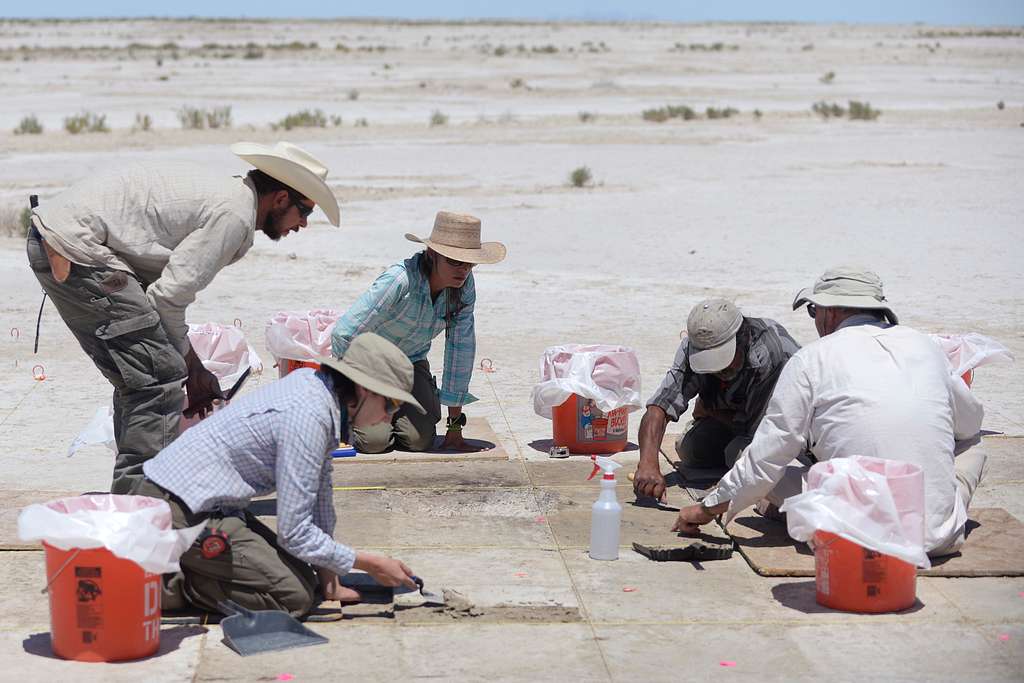
With new technology, fresh data and growing academic interest, archaeologists are preparing for targeted excavations in zones that earlier teams lacked the tools to assess. These efforts will likely focus on cave systems and historical water installations referenced in the scroll. Each new attempt carries the possibility of uncovering overlooked clues.
Even without a monumental discovery, the process reveals how historical memory and modern science converge. The Copper Scroll continues to pull researchers back into its mystery, reminding them that the desert still guards stories not yet told. The search endures because the possibility remains alive.