
The seabed was hiding a giant.

For centuries, historians pictured medieval trade ships as modest cargo carriers hugging coastlines. Then divers and archaeologists uncovered the remains of something far larger resting in cold Baltic waters. Timber fragments, cargo residues, and hull measurements began to suggest that medieval commerce may have operated at a scale few had imagined. The discovery forces a reevaluation of shipping capacity, trade routes, and economic reach during a period often described as technologically limited.
1. The Gribshunden wreck stunned maritime historians.

In 2015, divers off the coast of Ronneby, Sweden, documented the remarkably preserved wreck of the Danish flagship Gribshunden, which sank in 1495. According to BBC News, the vessel was one of King Hans of Denmark’s royal warships and measured roughly 35 meters in length, making it enormous for its time.
Its size and preserved structural elements revealed advanced shipbuilding techniques near the end of the medieval period. The scale alone challenged assumptions about cargo capacity and naval power during the late fifteenth century.
2. The hull size exceeded prior expectations.
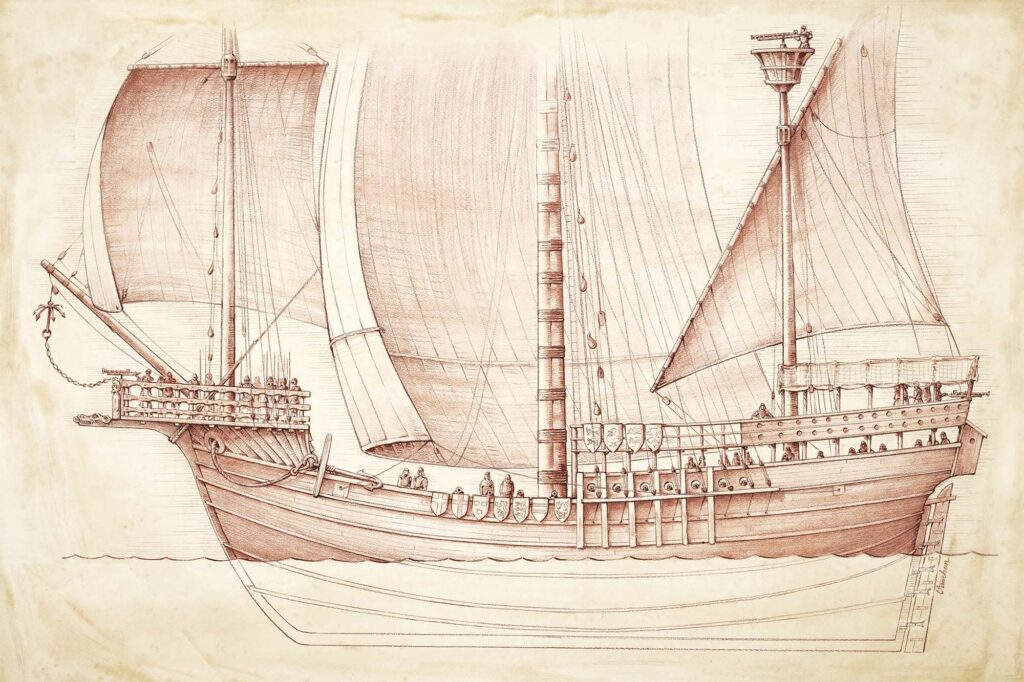
Measurements of the Gribshunden’s surviving timbers indicated a vessel capable of carrying both heavy armament and substantial goods. Its broad beam and reinforced framing pointed to durability suited for long distance voyages.
As reported by National Geographic, the ship’s construction demonstrates a hybrid design combining warship features with cargo capacity. This suggests that medieval vessels were not limited to small scale coastal trade but were capable of transporting large volumes of goods across major maritime routes.
3. Carved ornaments reveal international connections.
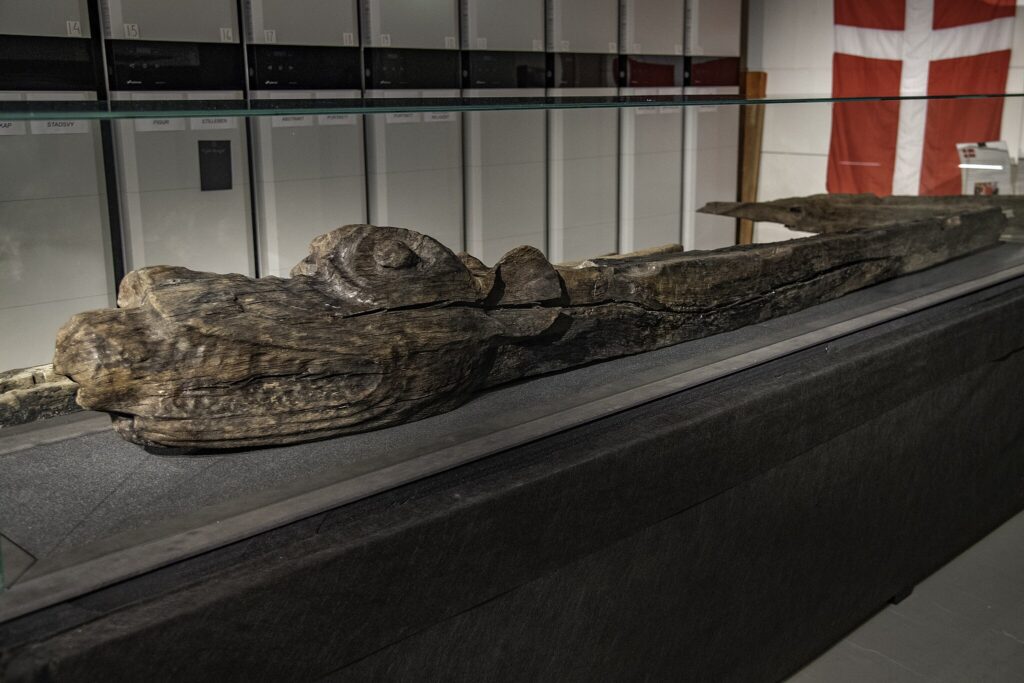
Excavations recovered ornate carvings including a sea monster figurehead and decorative elements influenced by continental European styles. These embellishments reflected political ambition as well as maritime sophistication.
As stated by the Blekinge Museum in Sweden, which oversees ongoing study of the wreck, the craftsmanship indicates access to skilled artisans and cross regional influence. The ship was not merely functional but symbolic, representing power, wealth, and participation in expanding European trade networks.
4. The cargo hints at luxury trade networks.

Archaeologists identified residues of exotic spices such as saffron and cloves among the wreck’s remains. These materials originated far beyond Scandinavia.
Such findings suggest the ship carried goods tied to long distance commerce linking Northern Europe to Mediterranean and Asian markets. The presence of high value spices demonstrates that medieval maritime trade extended deep into global exchange systems rather than remaining regionally confined.
5. Shipbuilding technology was more advanced than assumed.

The Gribshunden featured carvel planking, where hull boards were laid edge to edge rather than overlapping. This method allowed smoother hull surfaces and greater structural strength.
Carvel construction, associated with larger ocean capable vessels, indicates technical knowledge spreading across Europe during the fifteenth century. The ship’s scale and method of assembly challenge the narrative that advanced maritime engineering emerged only during the later Age of Exploration.
6. Royal sponsorship shaped maritime expansion.
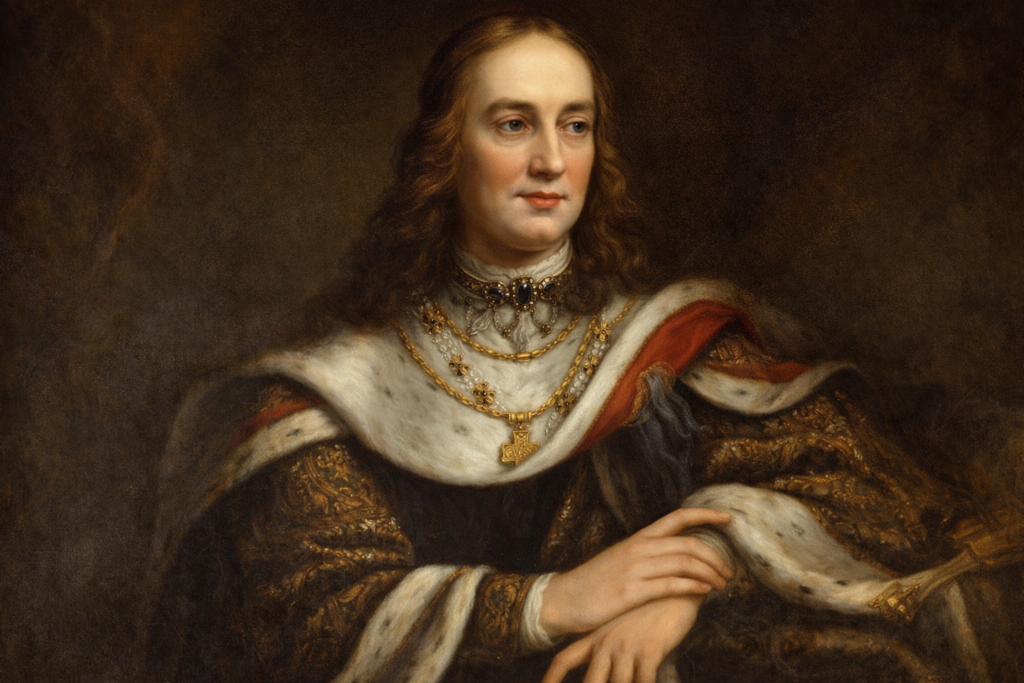
King Hans commissioned Gribshunden as both flagship and diplomatic instrument. Its presence signaled political authority across the Baltic.
Large vessels backed by royal funding allowed rulers to project influence while protecting trade routes. The blending of military and commercial capability within a single hull suggests that economic growth and naval power were closely intertwined.
7. The wreck preserved unprecedented structural detail.

Cold, low oxygen Baltic waters slowed decay, preserving hull sections rarely seen in medieval shipwrecks. This exceptional condition allowed researchers to reconstruct dimensions with unusual accuracy.
Such preservation provides insight into timber sourcing, fastening techniques, and internal layout. Each beam contributes to understanding how medieval shipyards organized labor and resources to produce vessels of significant scale.
8. Trade capacity reshapes economic models.

If ships like Gribshunden were not isolated anomalies, medieval trade volumes may have been underestimated. Larger cargo holds imply more goods moving across the Baltic and beyond.
Economic historians now consider whether port infrastructure and taxation systems were adapted for high capacity vessels earlier than assumed. The ship’s dimensions raise questions about how integrated regional markets truly were during the late medieval era.
9. Maritime networks linked distant regions.

Evidence suggests that the Baltic Sea was not peripheral but central to interconnected trade systems. Ships of this size could facilitate exchanges between Northern Europe, the Low Countries, and further south.
The scale of Gribshunden implies confidence in maritime corridors and established demand for bulk transport. Trade appears less tentative and more organized than older models allowed.
10. The seabed continues to revise history.

The discovery of Gribshunden illustrates how underwater archaeology can overturn assumptions built from limited records. Written sources alone rarely capture full technological capacity.
As more wrecks are studied with modern methods, additional vessels may emerge that further expand understanding of medieval commerce. The Baltic seabed holds a record of maritime ambition that continues to reshape historical narratives.