
Geographic advantages may limit danger long term.
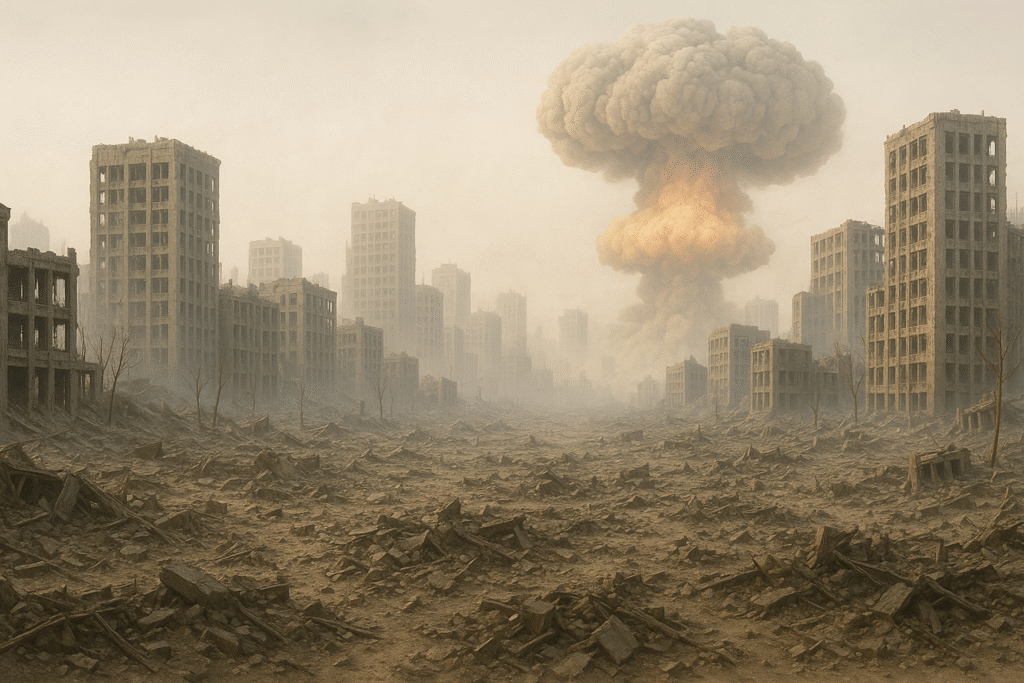
If the unthinkable ever unfolded across the United States, geography would matter more than most people assume. Targets are not random, and fallout does not fall evenly. Wind corridors, mountain barriers, freshwater systems, and population density would shape outcomes in ways that feel almost unfair. Some states sit closer to strategic bull’s eyes. Others rest at the margins. In a crisis measured in miles and hours, those margins could quietly influence survival in ways few people discuss.
1. Remote western regions may face less exposure.
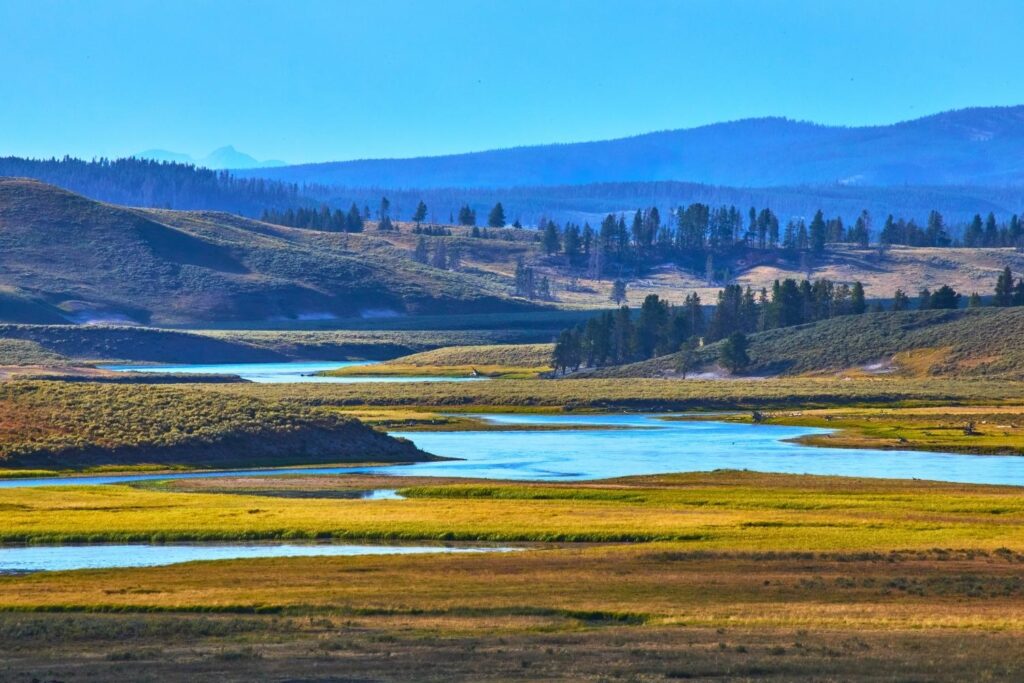
Large stretches of eastern Montana near Fort Peck Lake and the Missouri Breaks lie far from dense coastal targets. Communities scattered across open prairie between the Yellowstone River basin and wide rangeland may avoid direct blast effects in early strike scenarios. Physical distance alone changes the first seventy two hours dramatically.
Still, powerful winds sweep across the Great Plains without obstruction. Fallout carried by upper level air currents could still reach ranching towns across the high prairie. Remoteness lowers probability, not certainty, yet even reduced exposure may provide precious time for shelter and response.
2. Sparse populations might ease resource strain.
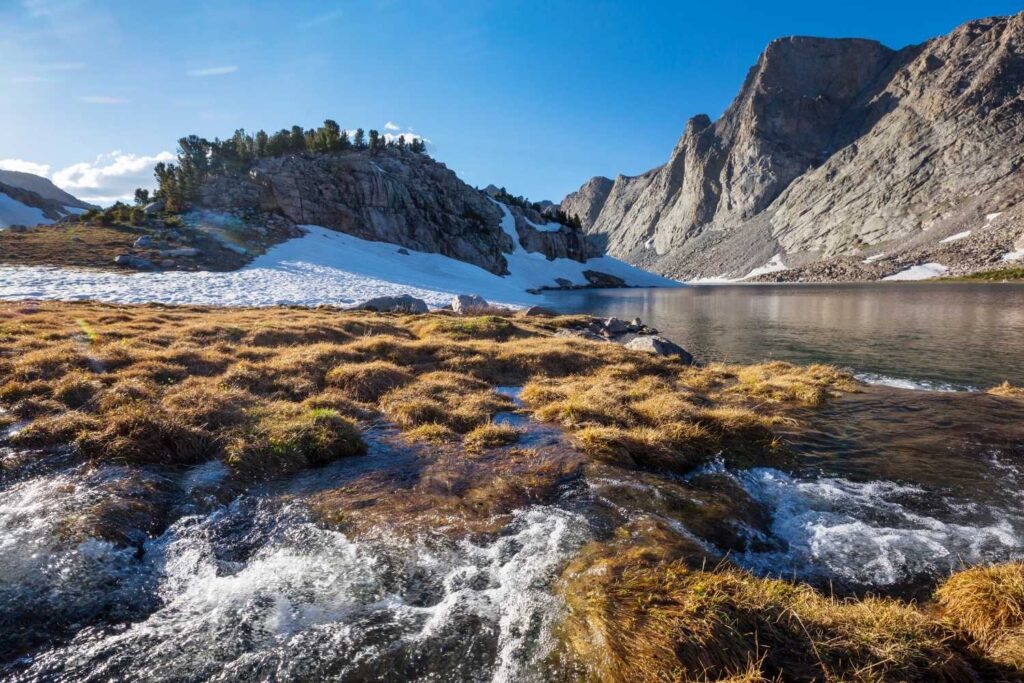
Wyoming counties near the Wind River Range and the Red Desert remain among the least populated in the country. Fewer residents competing for water, food, and medical care could reduce immediate pressure when supply chains fail. Smaller communities often coordinate quickly because neighbors already know one another.
Isolation, however, limits hospital capacity and emergency staffing. Long highway stretches between towns complicate outside aid delivery. Even so, limited population density means stored supplies stretch further per person, creating breathing room that dense urban regions rarely enjoy during systemic breakdown.
3. Forest rich states offer natural food buffers.
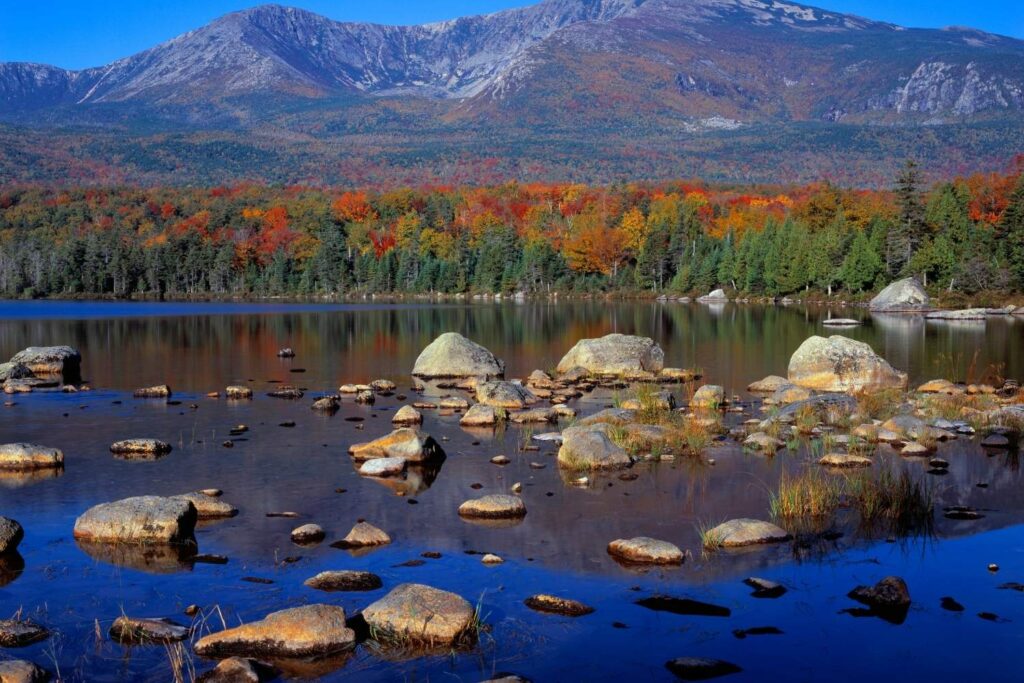
Northern Maine near Baxter State Park and the Allagash River contains vast forests, freshwater streams, and farmland. Access to wild game, fish, and crops could support communities if national shipments collapse. Independent wells and rural land use patterns provide layers of resilience already woven into daily life.
Yet winds from northeastern urban corridors could deposit contamination across forest and soil. Radiation does not respect tree lines or rivers. Even so, abundant land and natural food sources give rural counties more adaptive options than cities dependent on constant external deliveries.
4. Inland Midwestern areas may avoid coastal targets.
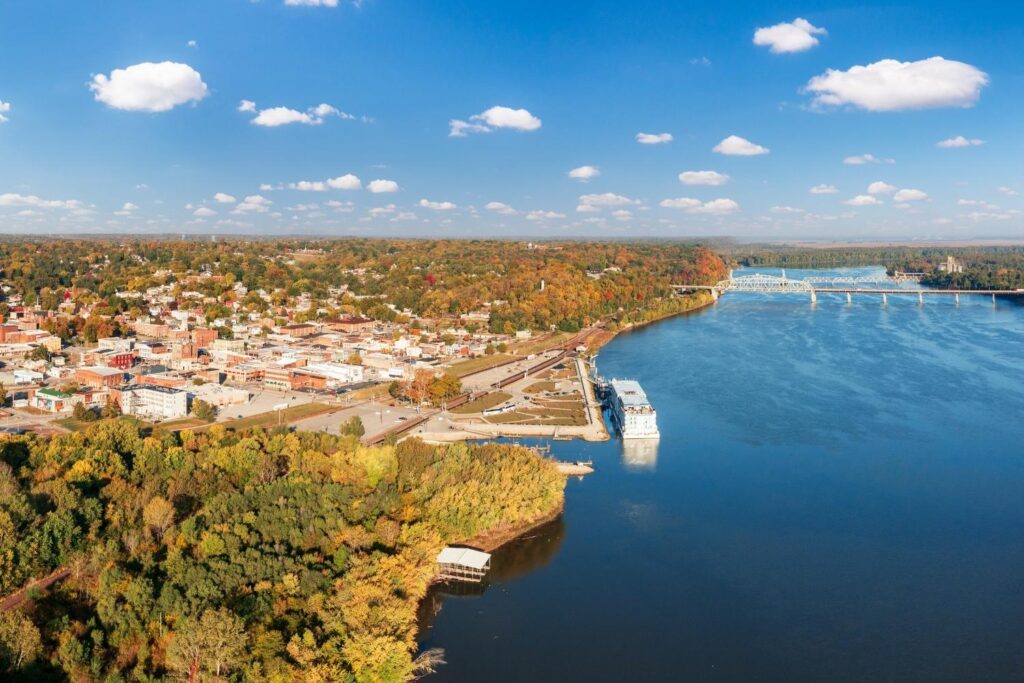
Central Missouri between the Ozark Plateau and the Mississippi River sits far from dense naval ports along the Atlantic and Pacific coasts. That inland position may reduce immediate blast proximity compared with shoreline metropolitan hubs. Rolling farmland and smaller cities create physical spacing between communities.
However, military installations and transport corridors influence strategic calculations. Fallout patterns depend heavily on wind and rainfall in the region. Even so, interior geography spreads risk differently than concentrated coastal targets, potentially moderating the earliest stages of impact.
5. Mountain valleys can disrupt fallout patterns.
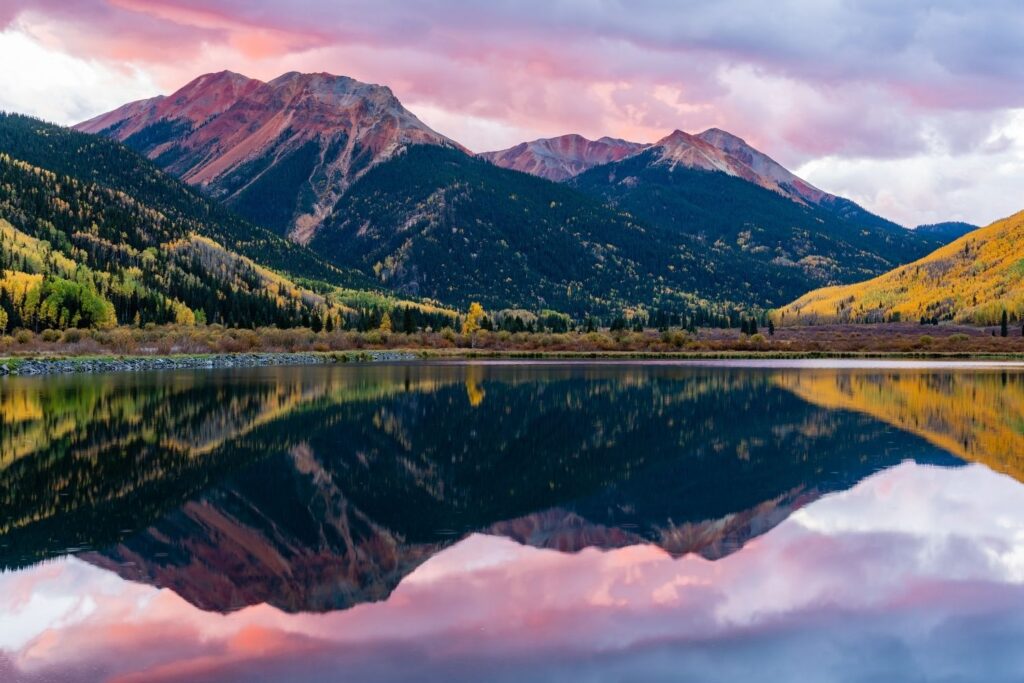
Western Colorado, including areas near the San Juan Mountains and the Gunnison basin, is defined by elevation shifts and enclosed valleys. High ranges alter wind behavior, fragmenting air currents as they move across peaks and ridges. That complexity may scatter fallout unevenly rather than saturating large flat areas.
Yet valleys can also trap air during temperature inversions. Dust may linger near ground level in certain conditions. Even so, complex terrain introduces variability into how radioactive particles settle, which may reduce uniform exposure across entire regions.
6. Northern climates may reduce heat stress.
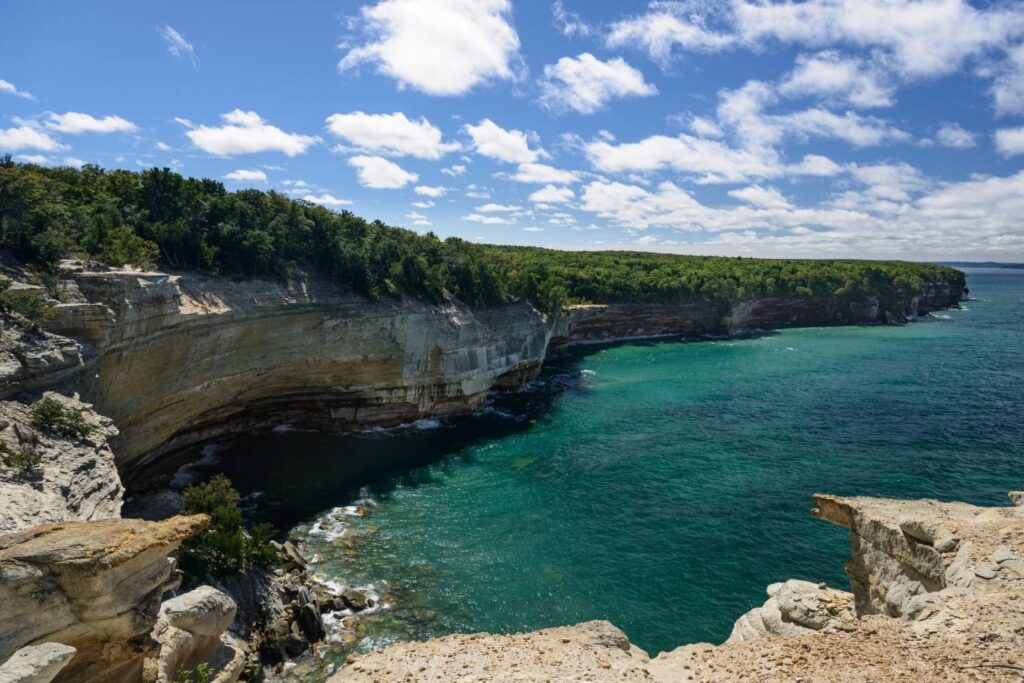
Minnesota near Lake Superior and the Iron Range experiences cooler summers than much of the South and Southwest. In a prolonged grid failure, moderate temperatures could reduce heat related illness and dehydration. Forest cover and abundant freshwater offer natural environmental relief.
Winter introduces a different challenge. Extended cold requires heating fuel and insulation resilience. Even so, during milder seasons, temperate conditions may ease immediate survival strain compared with extreme heat zones where infrastructure collapse quickly becomes life threatening.
7. Civil defense readiness could influence survival.
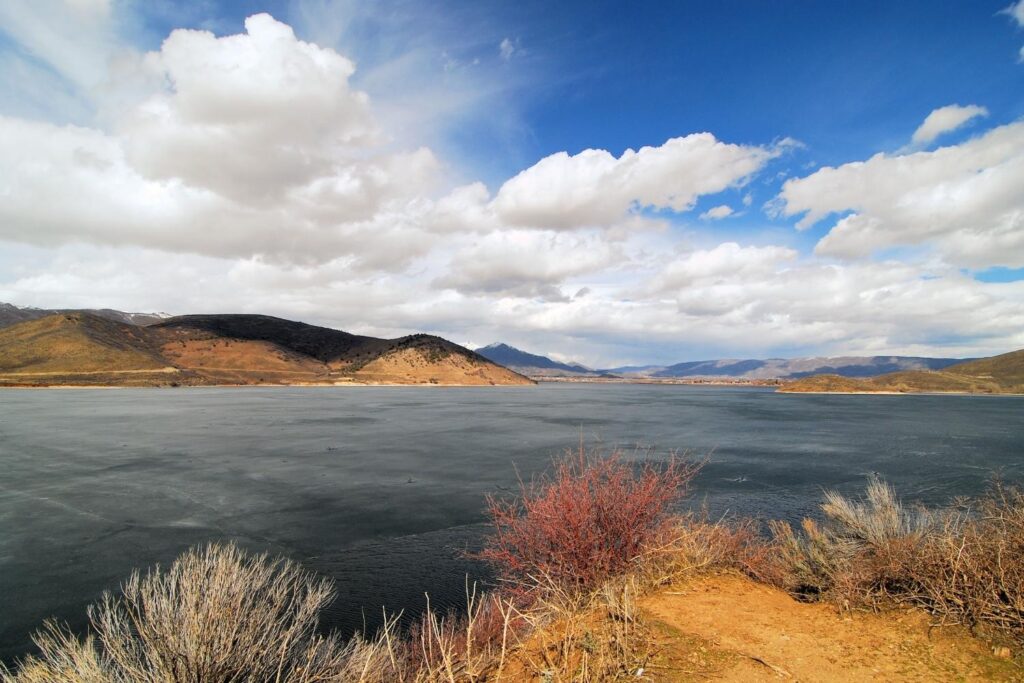
Utah, particularly along the Wasatch Front, has maintained organized emergency preparedness networks for decades. Communication systems and established shelter awareness may help residents respond quickly to radiological warnings. Cultural emphasis on household preparedness strengthens that foundation.
Still, infrastructure depends on power and coordination. Mountain passes and transportation routes could complicate evacuation or supply movement. Even so, practiced readiness may reduce confusion during the first critical hours, lowering unnecessary exposure before fallout intensifies.
8. Great Lakes access provides freshwater reserves.

Michigan, bordered by Lake Superior, Lake Michigan, and Lake Huron, holds immense freshwater resources. Communities near Traverse City or across the Upper Peninsula could rely on nearby lakes and wells if distant reservoirs fail. Water access supports both drinking and agricultural needs.
Contamination remains a risk if airborne particles settle across open water. Filtration and testing capacity would become essential. Even so, sheer freshwater abundance provides strategic flexibility that drier states cannot easily replicate in prolonged recovery scenarios.
9. Agricultural belts may support longer recovery.
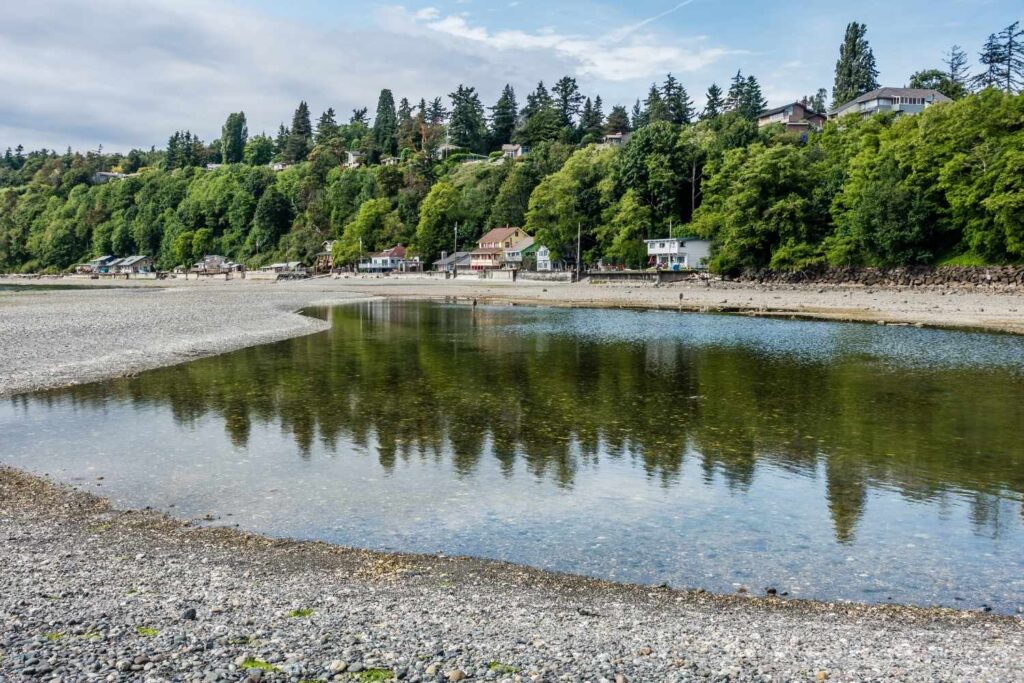
Iowa’s fertile soil along the Des Moines River Valley and surrounding plains produces massive grain yields annually. Existing farm equipment, storage facilities, and livestock networks already operate at scale. That infrastructure could help local communities maintain food production even if national distribution fractures.
Growing seasons may shift and soil could require monitoring before planting resumes. Fertilizer and fuel shortages would complicate operations. Even so, regions built around feeding millions carry practical experience and agricultural capacity that may anchor longer term stabilization efforts.