
The rules for your backyard are changing fast.

Your backyard has always felt like your personal kingdom, a place where you decide what happens and how it looks. That sense of control is starting to crack. Across the country, lawmakers are taking a harder look at the everyday tools people use without much thought. Noise complaints, pollution studies, and wildlife deaths are piling up, and they are no longer being brushed aside. These debates are turning into laws, store policies, and outright sales bans. The result is simple but unsettling. Some of the tools sitting in your shed may soon be impossible to replace.
1. Gas powered lawn mowers are losing legal ground.
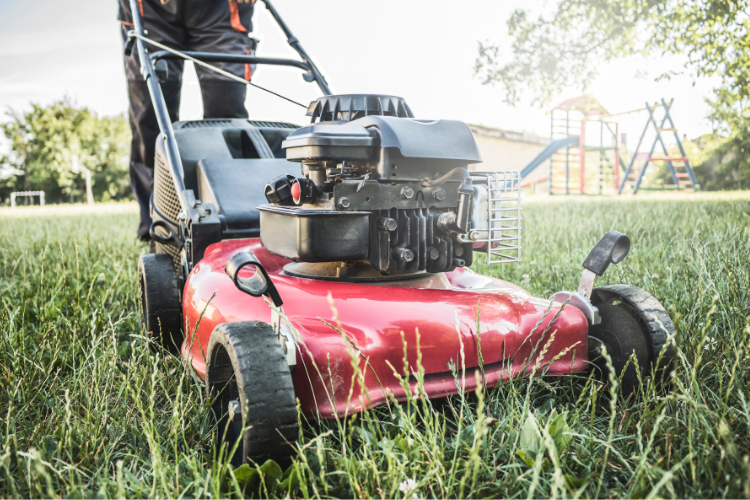
Gas lawn mowers have been part of American weekends for generations, but that familiarity is no longer protecting them. Cities across California have already approved bans on new gas mower sales, and several other states are actively debating similar moves. The problem rarely shows up when the law passes. It hits when your mower dies mid season and the same model is no longer an option.
Regulators argue that small engines produce a surprising amount of smog forming pollution compared to their size. Electric mowers solve part of the problem, but higher prices, limited runtime, and charging access make the transition harder than lawmakers often acknowledge.
2. Leaf blowers are becoming unacceptable in many cities.

Few tools generate faster complaints than leaf blowers. Neighborhoods packed closer together have pushed noise concerns to the front of city council agendas. From Southern California to parts of the Northeast, decibel limits are making many gas blowers noncompliant by default.
The pressure builds in subtle ways. Repair shops stop servicing older models. Retailers shrink inventory. Fire season restrictions can temporarily ban their use altogether. Homeowners find themselves guessing which rules apply, when they apply, and whether replacing a broken blower will even be possible the following year.
3. Gas chainsaws are facing new limits outside emergencies.
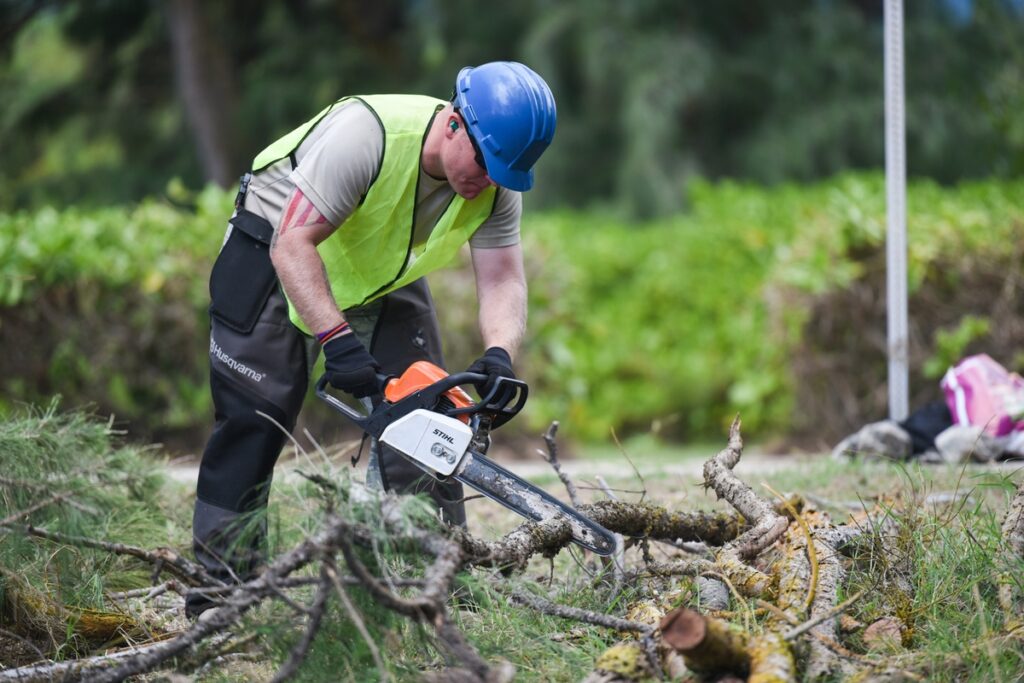
Chainsaws occupy an uncomfortable gray area. They are essential after storms but controversial during routine use. Some states are considering restrictions on non emergency sales, aiming to reduce emissions and injury rates tied to older gas models.
The concern is not confiscation, but access. When a chainsaw fails, replacement options may be limited to rentals or electric alternatives that struggle with larger jobs. Emergency carve outs exist on paper, but storms do not follow legislative schedules, leaving homeowners unsure whether they will have the tools they need when damage hits.
4. Gas string trimmers are next in line.
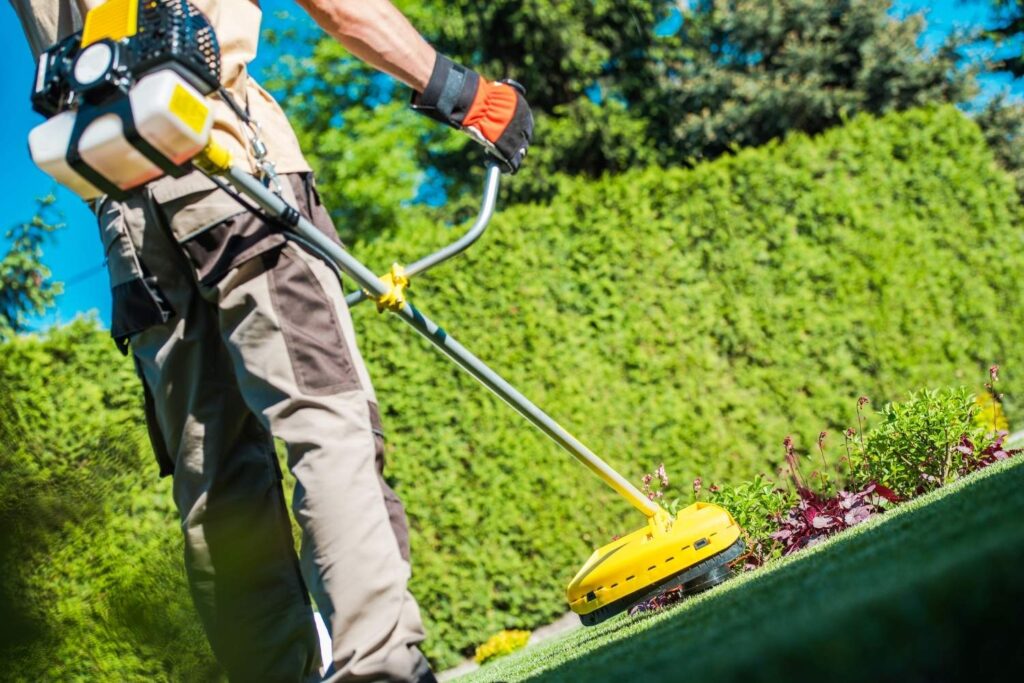
String trimmers often escape attention until they stop working. That is exactly where new rules start to hurt. Several states are moving toward phased sales bans, beginning with municipal restrictions and expanding outward.
Parts shortages and disappearing repair options can force early replacement. Electric trimmers are cleaner and quieter, but battery life and durability remain concerns for people maintaining larger yards or rural property. What once felt like a minor tool choice is turning into a forced decision with fewer practical options.
5. Rodent poisons are being pulled from shelves.
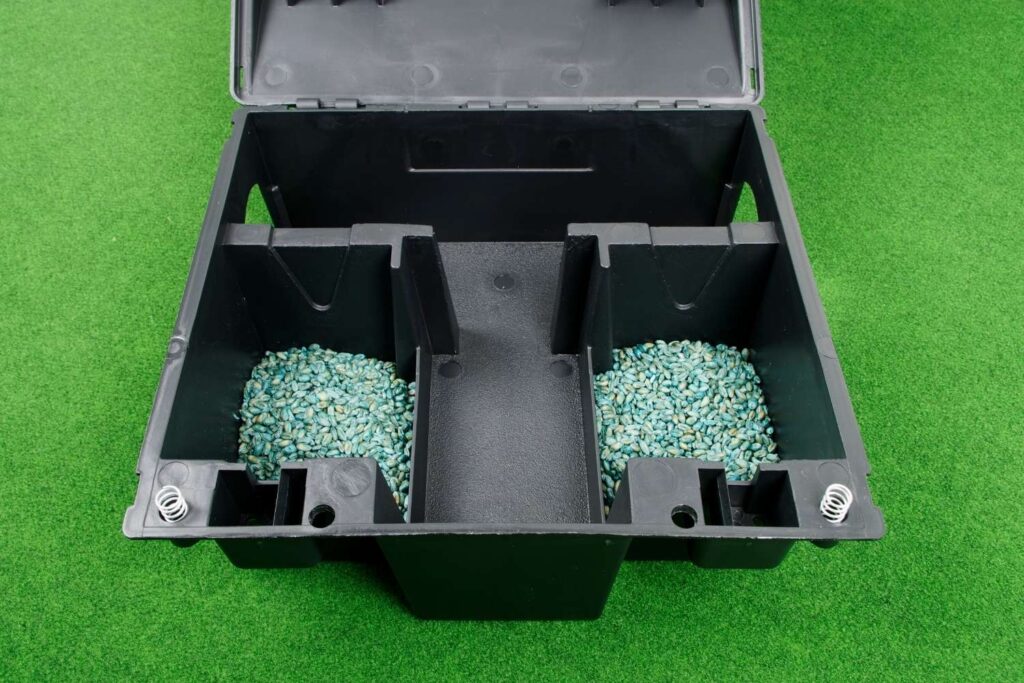
Rodent control is changing fast. States are restricting anticoagulant poisons linked to secondary wildlife deaths, especially among owls, hawks, and pets. California expanded its limits after documented harm, and similar legislation is spreading.
For homeowners, the shift shows up at the store. Trusted products disappear, often before laws fully take effect. Agencies promote integrated pest management instead, but that approach requires time, money, and structural changes many properties were never designed to support.
6. Pesticide sprayers are under growing scrutiny.
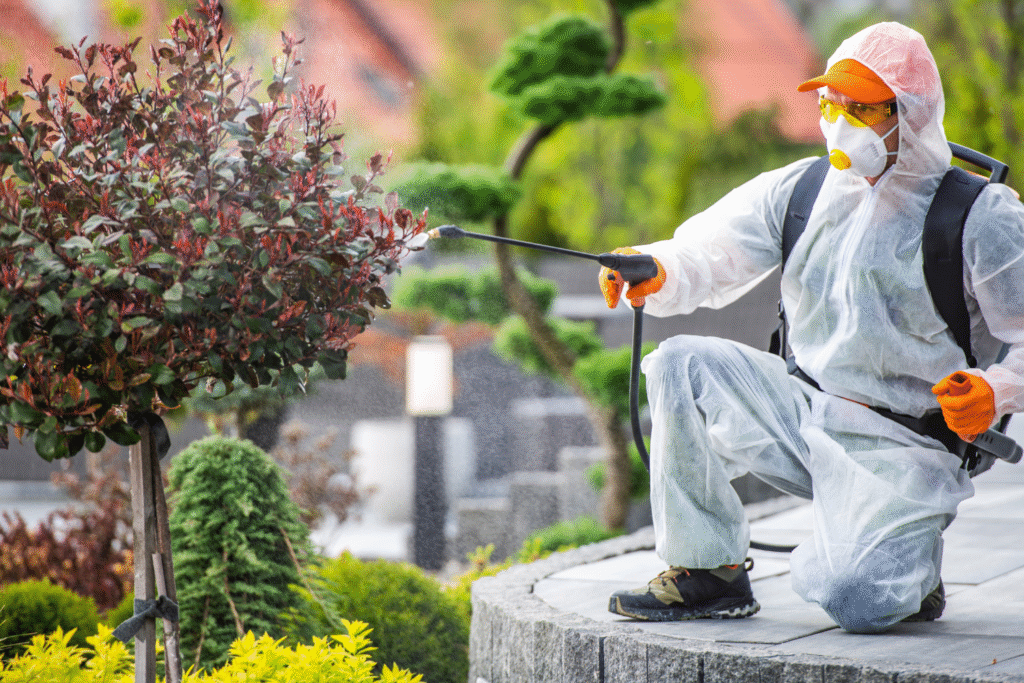
Backyard pesticide use is no longer flying under the radar. Restrictions tied to pollinator declines and water contamination are expanding beyond farms into residential spaces. Near creeks, storm drains, and protected habitats, improper application can now carry penalties.
Labels are changing, approved chemicals are shrinking, and rules vary by state. Homeowners are left navigating complex guidance while trying to protect gardens and lawns. Alternatives exist, but effectiveness depends heavily on timing, climate, and pest type, making outcomes unpredictable.
7. Gas generators are facing tighter sales rules.
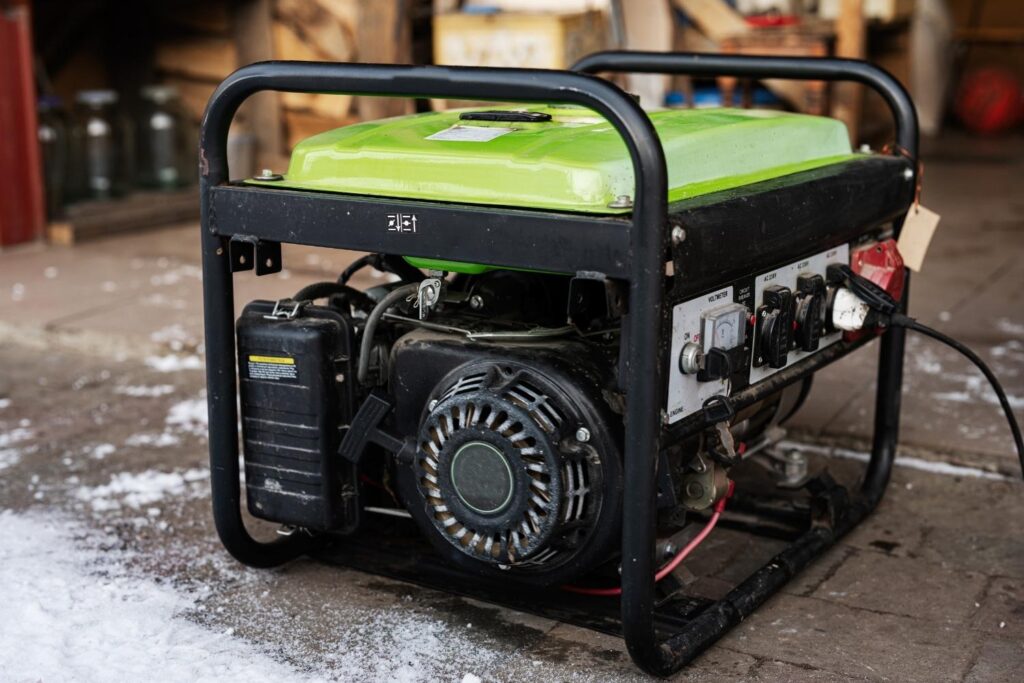
Portable gas generators feel essential during power outages, but emissions and noise have put them in regulators’ sights. California already limits the sale of certain models, and northeastern states are considering similar paths.
The risk appears during emergencies. Demand spikes, but availability may not. Officials promote battery backups and community power hubs, yet cost and installation barriers keep many households dependent on gas units even as sales restrictions tighten.
8. Glue traps are nearing outright bans.

Glue traps are facing growing opposition due to animal welfare concerns. Several states have moved toward bans, citing prolonged suffering and accidental captures of pets and wildlife. Retailers often remove them early, meaning they vanish before laws are widely understood.
Alternatives exist, but education lags behind enforcement. Homeowners are left scrambling for solutions while pests adapt quickly. The uncertainty lies in timing, as local rules differ and clear guidance often arrives after familiar options are already gone.
9. The backyard rulebook has changed, so adjust now.
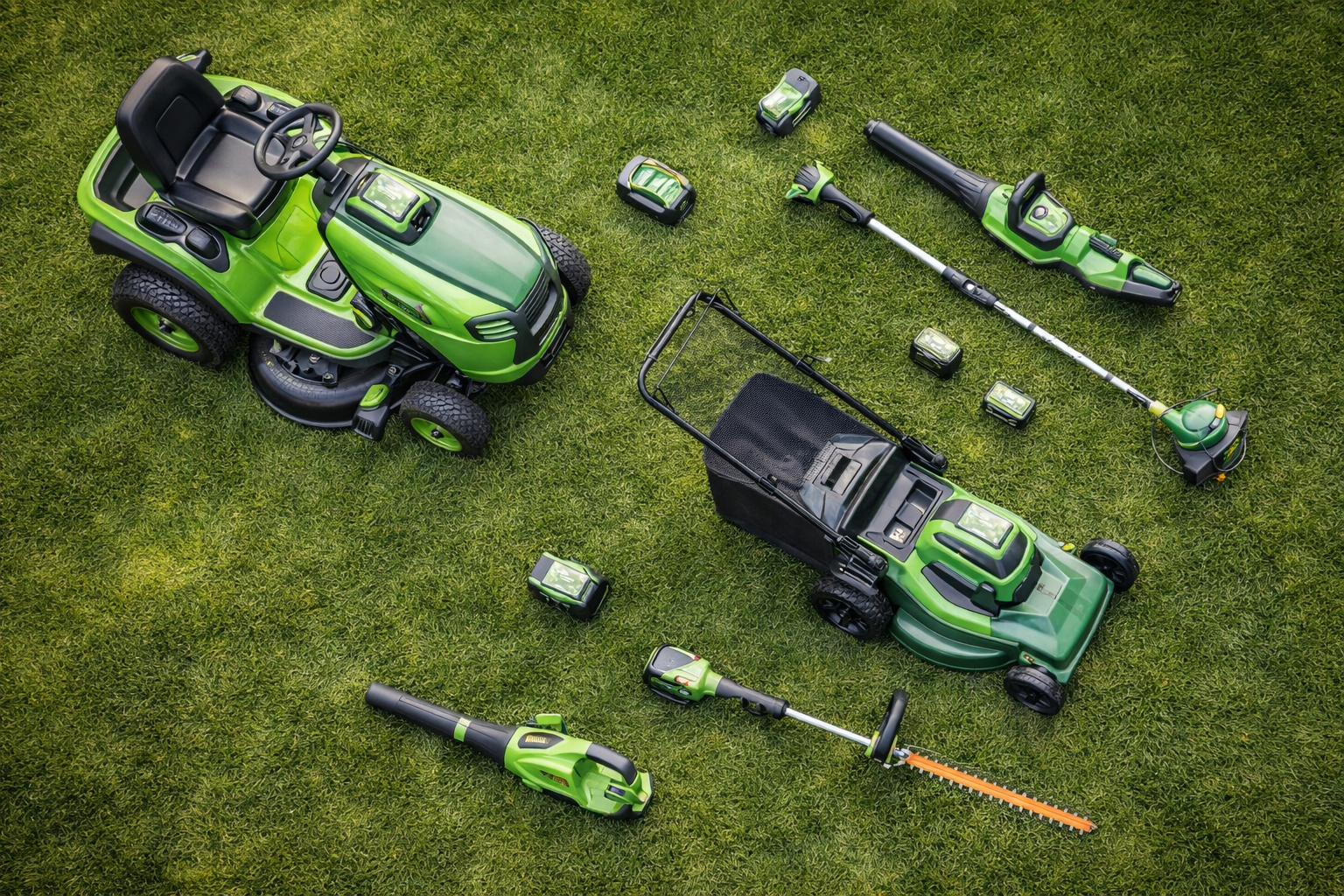
The era when backyard choices stayed personal is ending. Regulators are no longer treating lawns, sheds, and fence lines as harmless side projects. Health data, wildlife impacts, and neighborhood spillover have pushed private yard work into the public policy arena. That shift is not about punishment, it is about forcing change through availability. When tools disappear from shelves, adaptation stops being optional.
The smartest move is early adjustment. Transition to electric equipment before repairs become impossible. Audit what you store, especially chemicals that may soon be restricted or banned, and use proper disposal programs. Focus on prevention over reaction, sealing gaps, improving soil health, and reducing reliance on harsh fixes. Your backyard can still be yours, but only if it evolves with the rules now shaping it.