If You Notice These Details Others Miss, You May Have Higher Awareness

Small signals add up faster than you think.

©Image license via Canva

In labs and everyday life, awareness is rarely one dramatic superpower. It is a steady skill built from attention, prediction, and noticing when reality does not match your brain’s quick shortcut. People who spot tiny shifts often do better at catching errors early, reading a room accurately, and staying calm during fast changes. Researchers link this to how attention is directed, how bodily signals are interpreted, and how flexible your mind stays under pressure.


Read more

Millennials Are Quietly Rejecting Luxury And Choosing Function Instead

The status symbols are getting replaced quietly.

©Image license via Canva

Millennials are not exactly swearing off nice things, they are just demanding that nice things earn their keep. After years of price hikes, rent shocks, and subscription creep, the new flex is a jacket that lasts, a car that sips fuel, and furniture that survives a move. You can feel the shift in airports, grocery aisles, and group chats where someone asks, is it worth it. Even gifts are getting practical. Function is starting to beat flash, quietly but consistently.

Read more

Numbers Reveal Why Everyday Spending Feels Unstable

The math changed faster than habits could.

©Image license via Canva

Even as inflation headlines soften, daily spending still feels shaky for many households. That tension comes from a mismatch between how prices actually move and how people earn and plan. Essentials change quickly, fixed bills lock in slowly, and surprise costs arrive without warning. The result is not just higher expenses but constant recalibration. Budgets that once felt reliable now feel temporary, forcing people to stay alert even during normal weeks.

Read more

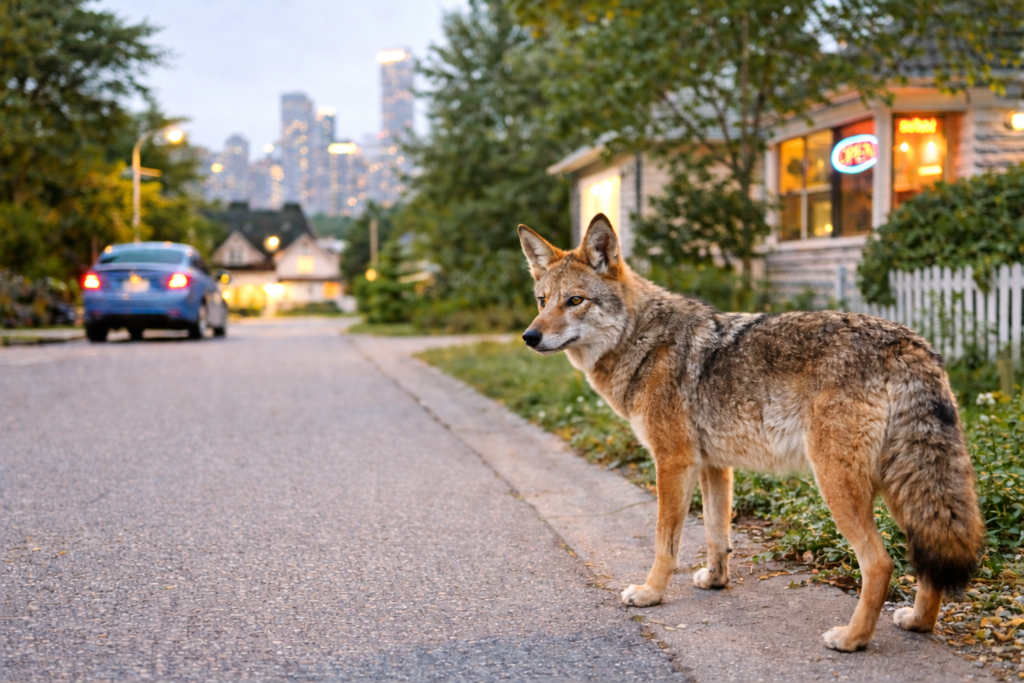
10 Predators That Are Moving Closer to People Than Ever Before

Human expansion redraws ancient predator boundaries worldwide.

©Image PetsnPals/ChatGPT, Coyote at twilight in suburban street

Across continents, large predators are appearing closer to towns, suburbs, and cities with increasing regularity. This shift is not random. Expanding development, fragmented habitats, climate stress, and stable food sources pull animals toward human dominated spaces. Researchers tracking movement patterns from North America to South Asia report the same trend. Predators are not invading out of aggression. They are adapting. Understanding which species are moving closer, and why, reveals how tightly human behavior now shapes the world’s remaining wild margins.

Read more

Deer Proof Your Yard With These Plants They Can’t Stand

Strategic planting shifts deer behavior without fences.

©Image PetsnPals/ChatGPT, Deer in suburban garden at dusk

As white tailed deer expand deeper into suburbs across North America, browsing pressure has become a year round problem rather than a seasonal nuisance. Homeowners from Pennsylvania to Oregon report similar patterns. Deer follow predictable routes, remember food sources, and return nightly once a yard proves rewarding. What interrupts that cycle most effectively is not force but chemistry. Certain plants trigger avoidance through smell, texture, or taste that deer instinctively trust. When landscapes are built around those signals, deer pressure often drops within weeks.

Read more