When a Cat Seems Fine but Isn’t

Hidden illness often wears a mask of normalcy.

©Image via Canva

Cats evolved to hide weakness, so illness often stays invisible until late. A cat can eat, groom, and nap while internal systems quietly strain. Veterinarians see this pattern daily in clinics, shelters, and homes, where subtle changes precede serious disease by weeks or months. Recognizing these early signals depends less on dramatic symptoms and more on noticing small shifts in routine, posture, and interaction that suggest the body is compensating rather than truly healthy long before collapse becomes visible externally.

Read more

Top 10 Ocean Predators That Everything Else Avoids

The sea has a hierarchy, and it bites.

©Image license via iStock

The ocean is full of animals that hunt, but a small group rewrites the rules for everyone around them. Some dominate by speed, others by stealth, others by sheer mass and endurance. When these predators enter a bay, a reef edge, or an ice lead, prey do not just hide, they relocate, change feeding times, and sometimes stop making noise altogether. Here are ten predators that shape ocean life simply by showing up.

Read more

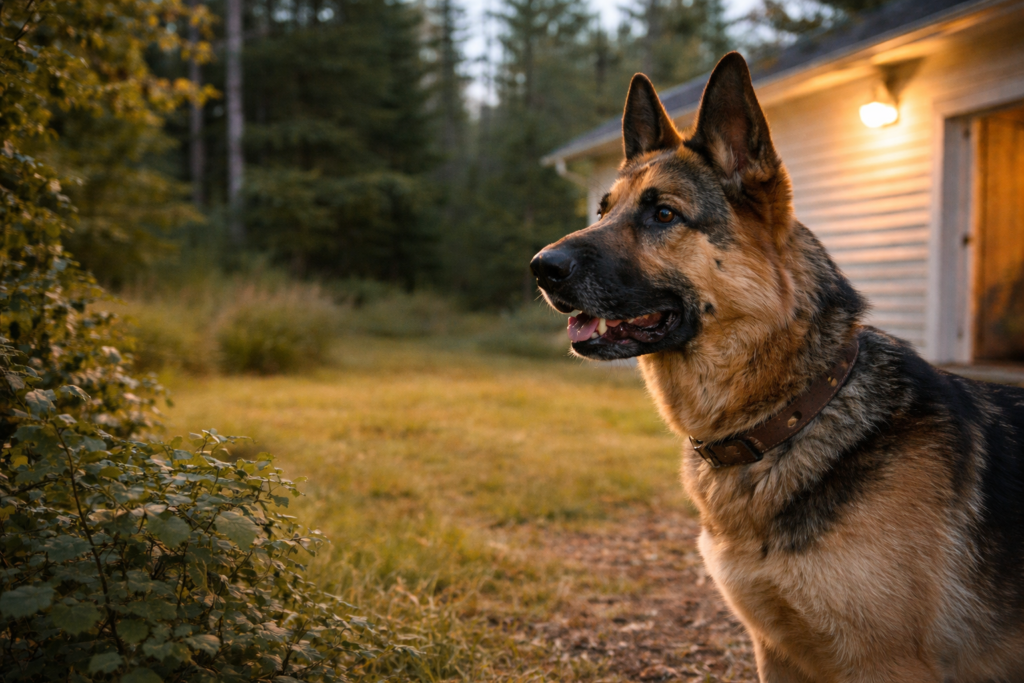
Why Neighborhood Wildlife Alters How Dogs Patrol Their Territory

Backyard ecosystems quietly reshape canine surveillance habits.

©Image license via PetsnPals/ChatGPT, Alert german shepherd in backyard twilight

Dogs do not guard space in a vacuum. Their patrol patterns evolve alongside animals moving through nearby yards, alleys, drainage corridors, and greenbelts. Coyotes, raccoons, deer, feral cats, and rodents leave constant scent and sound cues that dogs track unconsciously. What looks like random barking or pacing is often careful environmental monitoring. As wildlife increasingly overlaps with suburban and urban neighborhoods, dogs adapt their territorial behavior in precise ways that reflect ancient instincts operating inside modern landscapes.

Read more

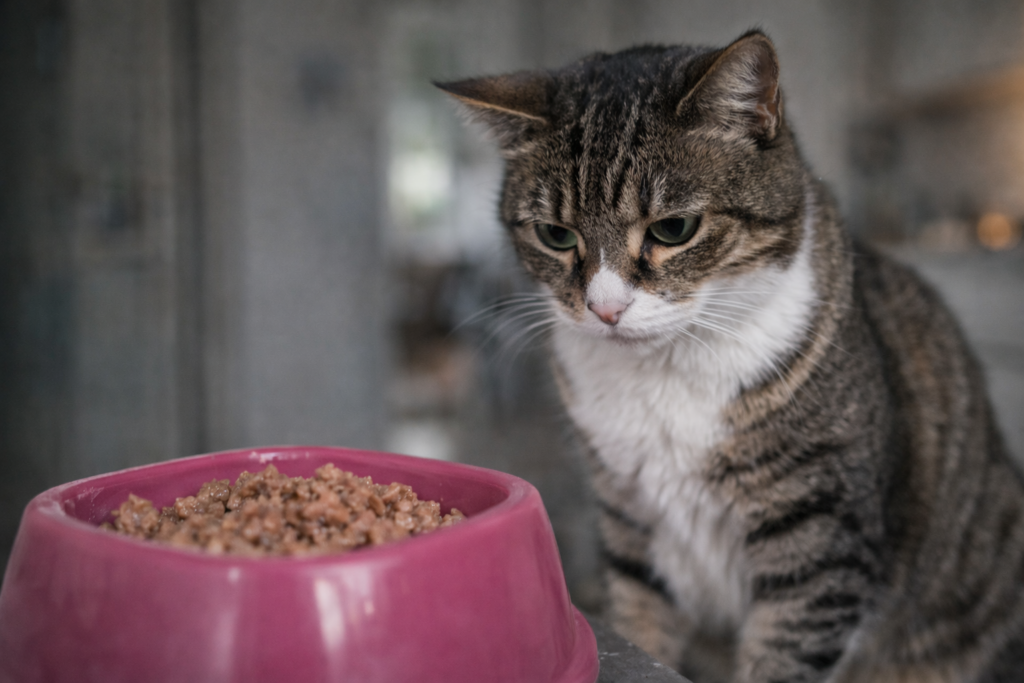
Why Some Cats Suddenly Reject Food They Loved For Years

Appetite shifts often signal deeper changes unfolding quietly.

©Image license via PetsnPals/ChatGPT

Cats are famously consistent eaters, so when a longtime favorite food is suddenly ignored, it can feel unsettling. This behavior rarely appears without cause. Veterinarians see these shifts as early signals tied to health, sensory change, or environment rather than whim. A cat’s relationship with food is shaped by memory, smell, comfort, and physiology all at once. When one of those layers changes, appetite can unravel quickly, sometimes long before more obvious symptoms surface.

Read more

Something About How Horses Hear Humans Is Now Being Reconsidered

New research reframes an ancient human horse bond.

©Image license via PetsnPals/ChatGPT, Horse and rider communicating

For centuries, people assumed horses responded mainly to reins, legs, and posture, with voice acting as background noise. That assumption is now unraveling. Behavioral scientists studying equine perception are finding that horses process human sound with far more nuance than once believed. Tone, rhythm, and emotional content appear to shape how horses interpret human intent, sometimes more powerfully than physical cues. This shift is changing how trainers, veterinarians, and riders understand communication between species.

Read more