What Happens When Endangered Animals Become Urban Neighbors

Cities are becoming unexpected wildlife refuges.

©Image license via Canva

Across the world, endangered animals are appearing in places built for people rather than wildlife. Suburbs, ports, drainage corridors, rail lines, and city parks now overlap with shrinking natural habitats. For some species, urban areas offer food, warmth, and fewer natural predators. For others, cities introduce vehicles, noise, disease, and conflict. These animals are not moving by choice alone. They are adapting under pressure. When endangered species begin living alongside people, survival improves in some ways and becomes more dangerous in others, reshaping conservation, public safety, and daily urban life.

Read more

The Hidden Reason Certain Cats Refuse To Drink From A Bowl

Hydration habits reveal instincts cats never lost.

©Image PetsnPals/ChatGPT, tabby cat sitting by his water bowl

Across homes in North America, many cats ignore fresh water placed carefully in bowls yet seek out sinks, bathtubs, or dripping faucets. This behavior often confuses owners because it appears illogical or picky. In reality, it reflects ancient survival instincts layered with modern sensory challenges. Cats evolved in environments where water safety mattered, and their brains still evaluate hydration sources using cues humans rarely notice. Vision, smell, whisker input, and perceived vulnerability all influence whether a cat trusts a bowl enough to drink from it.

Read more

Scientists Discover a 4,000-Year-Old Horse Breed That Still Exists Today

Ancient bloodlines survived history without breaking.

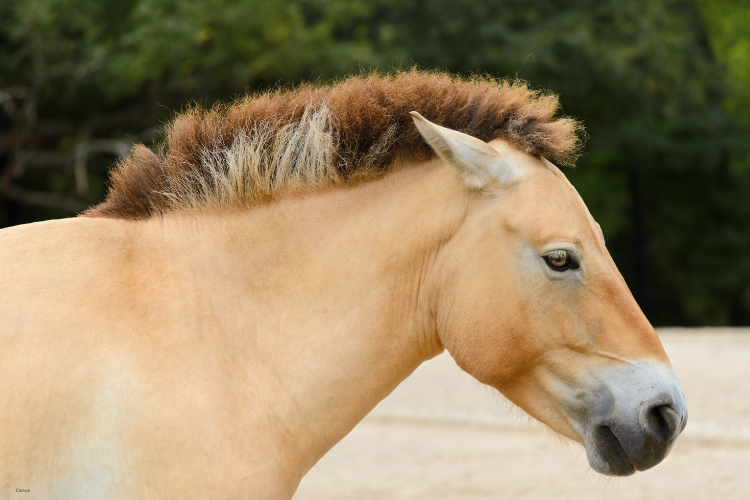
©Image license via Canva

In recent years, genetic research has begun rewriting what we thought we knew about domesticated animals. One discovery stands out for its clarity and shock value. A horse lineage believed to be lost to time has been traced directly from ancient remains to living animals today. The finding connects modern herds to horses ridden, traded, and relied upon thousands of years ago. This was not a symbolic resemblance or folklore claim. It was confirmed through DNA, archaeology, and historical records that finally aligned.

Read more

Archaeologists Find Proof the Hopewell Exchanged Materials All Across North America

New evidence reveals a continent wide ancient network.

©Image license via PetsnPals/ChatGPT

For decades, archaeologists suspected the Hopewell were connected to faraway places, but proof was fragmented. Recent excavations and laboratory advances have finally tied those threads together. Artifacts uncovered from burial mounds and ceremonial earthworks across the Midwest contain materials that originated thousands of miles away. These finds, dating roughly between 100 BCE and 400 CE, point to a vast and surprisingly stable exchange system. Rather than isolated villages, the Hopewell emerge as participants in a continent spanning web of relationships that moved goods, ideas, and cultural meaning across North America.

Read more

12 ‘Eco-Friendly’ Products That Aren’t as Sustainable as You Think

The green label does not tell the whole story.

©Image license via Canva

Eco friendly products promise peace of mind in a warming world. They appear on shelves during climate summits Earth Day sales and moments of rising environmental anxiety. Yet many are marketed faster than they are evaluated. Materials travel farther than advertised production hides emissions and disposal often shifts pollution elsewhere. Sustainability is not a label, it is a system. Understanding where these products fall short helps people make calmer smarter choices without guilt or green fatigue.

Read more