Why Veterinarians Fear the Rise of a New Deadly Horse Virus

Climate and movement are quietly changing the rules.
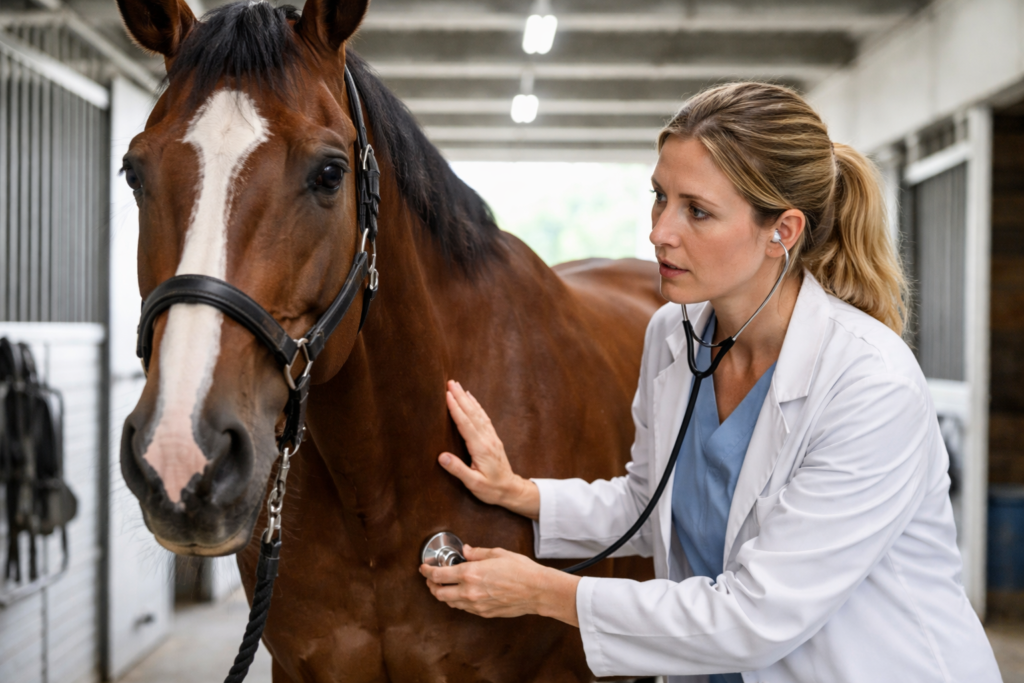
©Image license via PetsnPals/ChatGPT, Vet examining a horse

Veterinarians are increasingly uneasy because a virus once considered geographically predictable is no longer behaving that way. Changes in temperature, rainfall, and animal movement have created conditions that favor faster spread, longer transmission seasons, and outbreaks in places with no prior exposure. Horses in these regions lack immunity, surveillance systems are uneven, and early symptoms are easy to miss. What alarms experts most is not a single outbreak, but the pattern forming beneath it. The systems that once contained equine disease are being stretched, and veterinarians know how quickly that can turn deadly.

Read more

How Early Neutering Timing Can Affect a Dog’s Long Term Behavior

Timing shapes behavior more than owners expect.

©Image license via Canva

Neutering decisions are often framed as medical or ethical choices, but timing plays a powerful developmental role that unfolds over years. Hormones guide how the brain organizes emotion, confidence, and stress response during growth. When those signals change earlier than the body expects, behavior adapts in lasting ways. These shifts are rarely dramatic all at once. They surface gradually in how dogs handle novelty, recover from stress, and interact socially. Understanding timing helps explain why two neutered dogs can mature very differently despite similar homes and training.

Read more

Why Gen Z Is Reexamining Ancient Civilizations Through a Climate Lens

The past suddenly feels uncomfortably relevant.

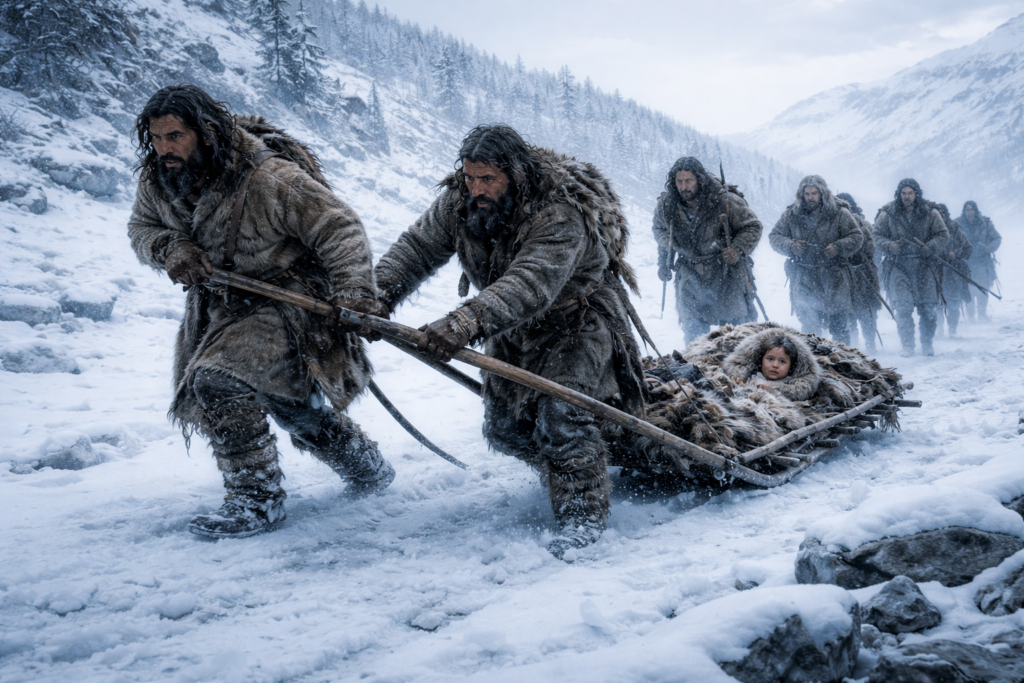
©Image license via PetsnPals/ChatGPT, Ice Age Migration

For Gen Z, ancient history no longer feels safely distant. Climate disruption is not a future scenario but a lived condition, shaping school closures, housing decisions, and mental health. That reality changes how the past is read. Younger researchers and readers are turning to ancient civilizations with sharper questions about drought, flooding, resource strain, and survival under pressure. Archaeology, climate science, and social history are being braided together. What emerges is not nostalgia, but urgency. Ancient societies begin to look less like curiosities and more like case studies.

Read more

How Indoor Lighting May Be Disrupting Your Dog’s Sleep Cycle

Artificial light is reshaping how dogs experience night.

©Image license via Canva

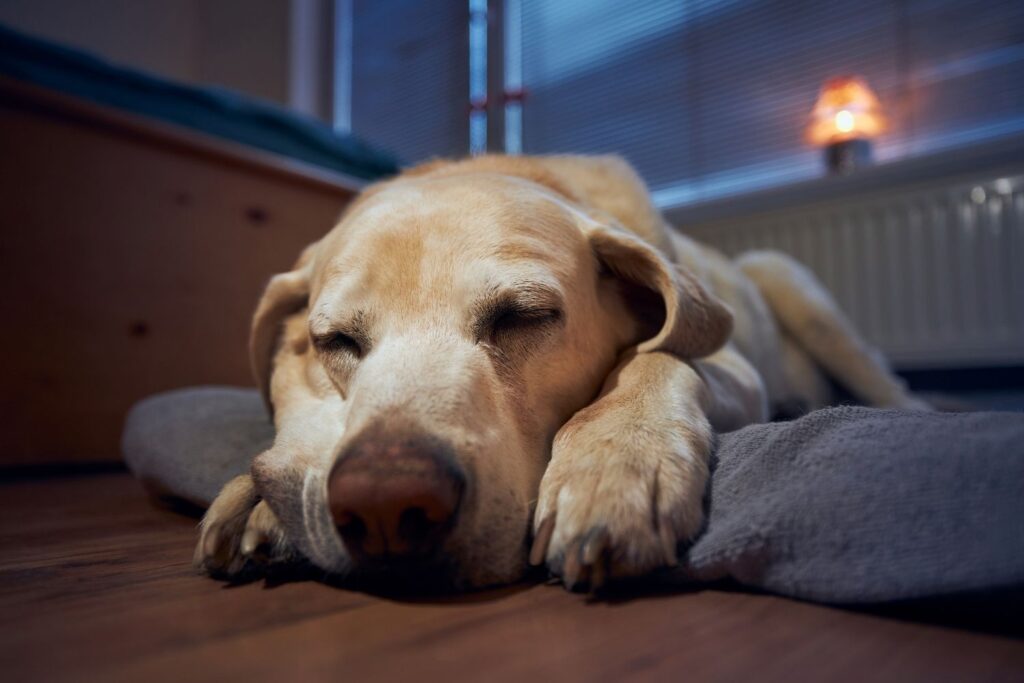
Dogs evolved alongside predictable cycles of daylight and darkness. Indoor lighting has altered that rhythm in homes across the United States over the past several decades. Lights stay on later, screens glow after sunset, and rooms rarely reach full darkness. Canine brains still rely on light cues to regulate sleep hormones, body temperature, and rest depth. When those cues blur, sleep becomes lighter and less restorative. Owners often notice pacing, early waking, or nighttime restlessness without realizing indoor lighting plays a role.

Read more

Why These 10 Dogs Are More Prone to Sudden Fear Responses

Startle reactions reveal how canine brains stay alive.

©Image license via iStock

Fear responses in dogs are rarely random. They are shaped by genetics, early sensory development, and centuries of selective breeding. Some dogs are wired to react fast because hesitation once meant injury or death. Sudden fear responses often look dramatic, but they are usually protective reflexes firing before conscious thought. Certain breeds experience this more intensely due to how their brains process sound, movement, and unpredictability. Knowing which dogs are more prone helps owners respond with patience instead of frustration, especially when fear seems to appear without warning.

Read more