The Hidden Reason Some Dogs Never Learn to Swim Naturally

Swimming struggles often begin long before water.
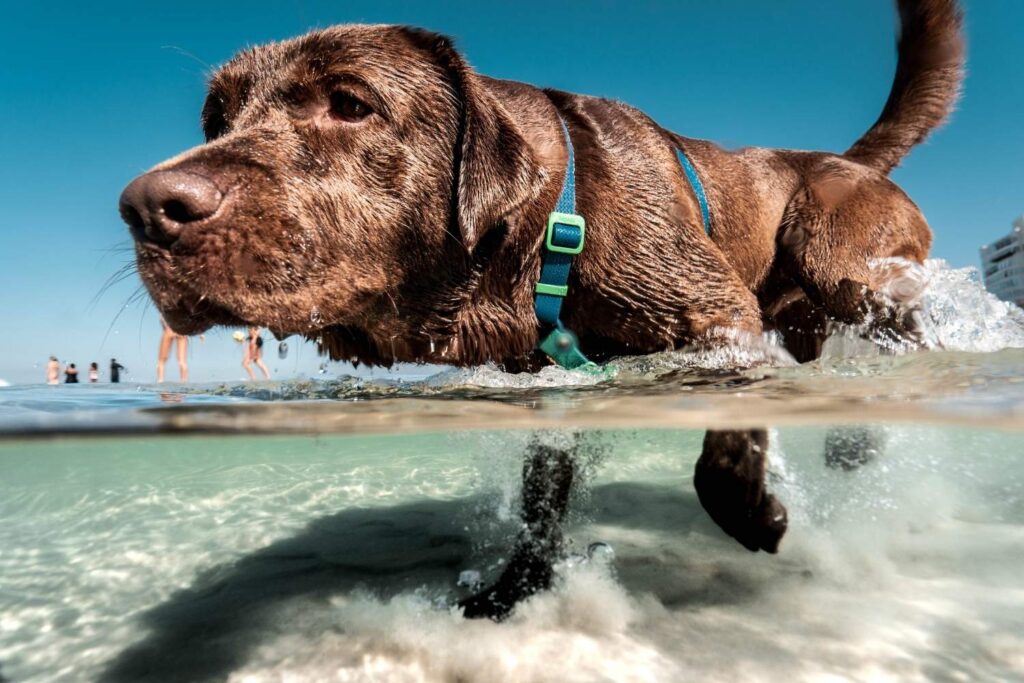
©Image license via Canva

Many people assume swimming comes naturally to all dogs, but real world observations tell a different story. Across backyard pools, lakes, and beaches, some dogs freeze, flail, or refuse water entirely. This is not stubbornness or lack of intelligence. It is the result of biology, early development, and how a dog’s brain learns safety. Long before paws ever touch water, invisible factors are already shaping whether swimming feels intuitive or terrifying. Those early influences stay with dogs for life, even when owners try patiently to teach later on.

Read more

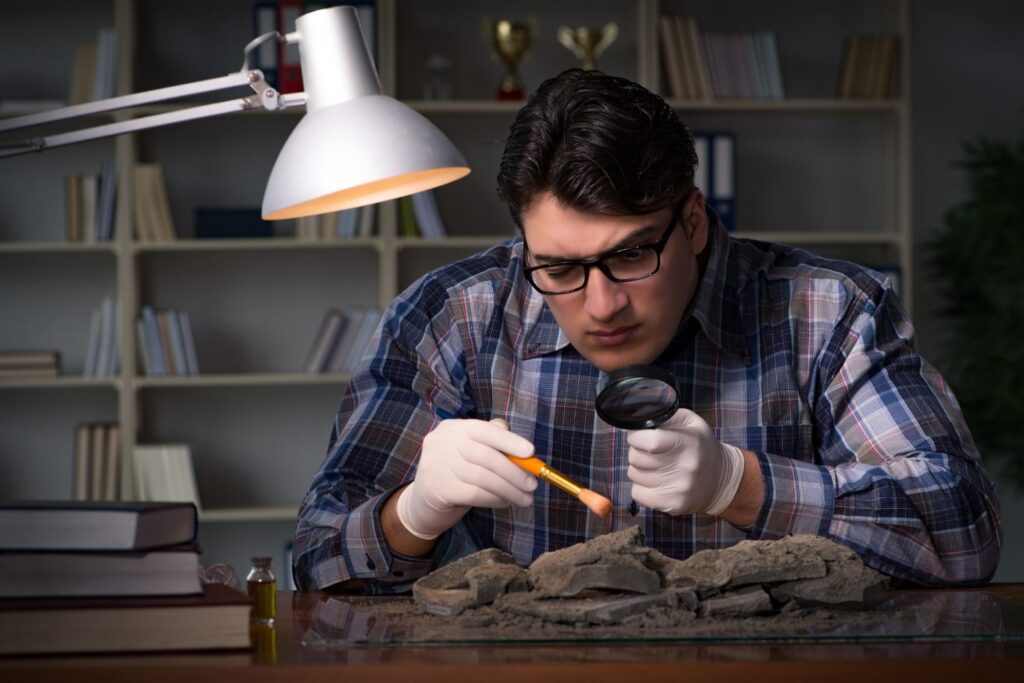
How Archaeology Is Challenging What We Thought We Knew About History

New discoveries keep rewriting the human story.

©Image license via Canva

For much of the last century, history felt orderly. Civilizations rose in predictable stages, technology advanced step by step, and innovation followed neat timelines. Archaeology is steadily undoing that comfort. New dating methods, satellite imaging, and careful reexaminations of old sites are revealing societies that were inventive far earlier and in unexpected ways. What once looked like exceptions now look like patterns. The deeper archaeologists dig, the more the past resists simple narratives, forcing history to become less linear and far more human.

Read more

Why Your Dog Constantly Watches You From Across the Room, and What It Means

That steady gaze carries more information than it seems.

©Image license via PetsnPals/ChatGPT, Golden retriever staring at owner

When a dog watches you from across the room, it is rarely random. This behavior appears in homes every day, whether during quiet evenings, busy mornings, or moments of rest. Dogs evolved to monitor key figures for safety, guidance, and opportunity. The distance does not weaken the connection, it sharpens it. A fixed gaze can signal bonding, anticipation, concern, or learned habit. Understanding why dogs observe from afar reveals how deeply their behavior is shaped by evolution, environment, and shared daily routines.

Read more

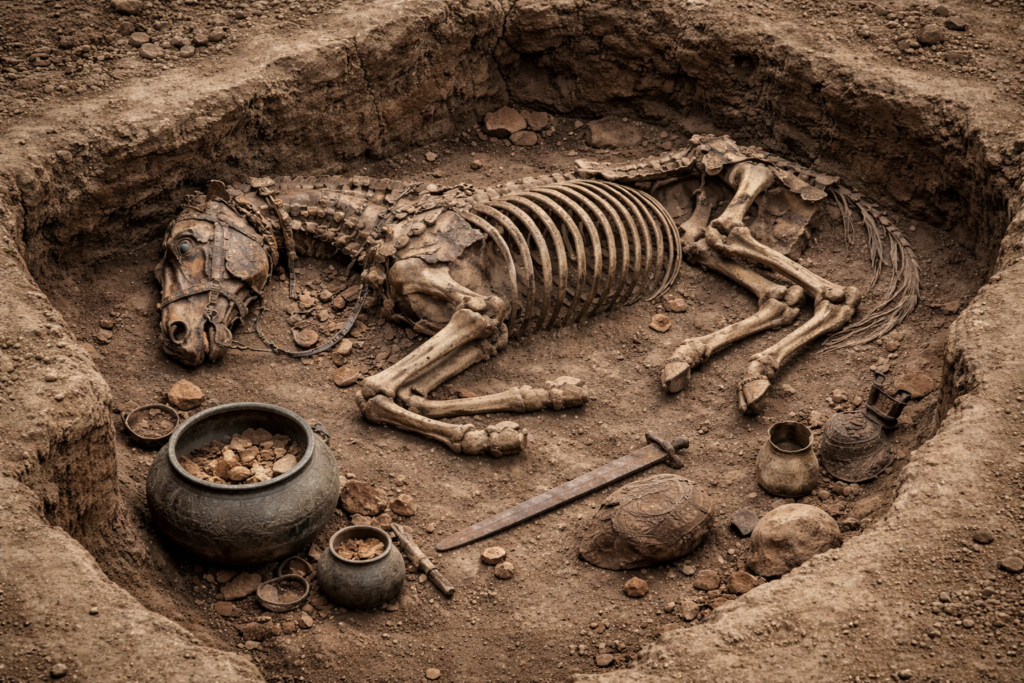
The Ancient Horse Burial That Changed Everything Archaeologists Thought They Knew

One grave forced a rewrite of early domestication.

©Image license via PetsnPals/ChatGPT, illustration of ancient horse burial

When archaeologists excavated an unusually careful horse burial on the Eurasian steppe, the discovery immediately unsettled long held assumptions. The site dated to a period when horses were thought to exist on the margins of human society, hunted or loosely tolerated but not socially valued. Instead, the animal had been placed with care, orientation, and intention normally reserved for people. The burial suggested relationship rather than utility. It raised questions archaeologists were not prepared to answer yet, about when emotional bonds, ritual meaning, and social status entered the human horse story.

Read more

If You Have These 8 Social Traits, People Tend to Trust You Faster

Trust forms before logic ever gets a vote.

©Image license via Canva

Trust rarely arrives through arguments or credentials. It forms quietly, often within moments, as the brain scans for safety, predictability, and emotional signals it has learned to rely on. Social neuroscience shows that people decide who feels trustworthy long before they can articulate why. These judgments are not random. They are rooted in patterns of behavior that signal stability, awareness, and respect. People who carry these traits often become trusted faster not because they try to be trusted, but because their presence lowers uncertainty for everyone around them.

Read more