Why 15 Incredible Dogs End Up In Shelters Way More Than Most

Some of the most beautiful, smartest, and loyal dogs are the first ones left behind.
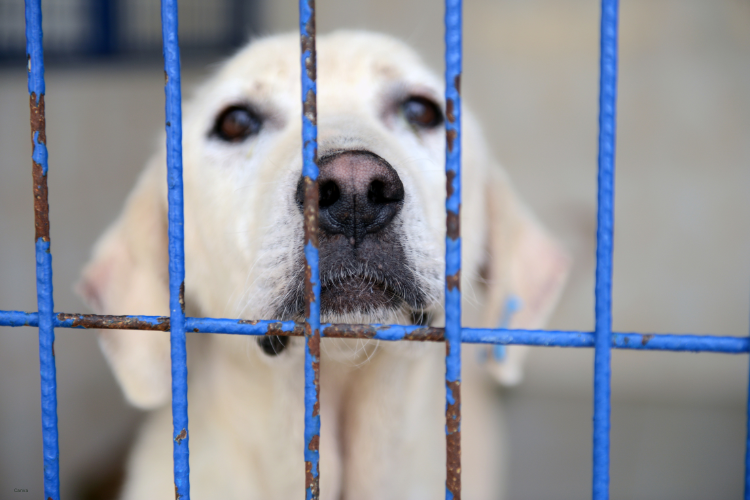
©Image via Canva

People keep choosing dogs like they are ordering a personality trait off a brunch menu. Chill but protective. Smart but not chaotic. Cuddly but totally independent. That does not exist and the shelter receipts prove it.

These twelve breeds are walking green flags with red flag energy if you are not ready. Most of them were bred to work, to move, or to problem solve under pressure, which makes them amazing and exhausting. The issue is not the dog. It is the clash between who they are and how people live. These are the ones that get misjudged, mislabeled, and misunderstood most often—and it is not because they are bad. It is because they were too much dog for the setup.

Read more

To Keep Your Other Pets Safe, Do Not Bring Any of These 12 Dogs Home

Some dogs were just not built to share their space, no matter how good the vibe seems at first.

©Image license via Canva

Adding another dog to your house when you already have pets is not always a fun bonding moment. It can go sideways fast if you bring in the wrong personality. Some breeds just were not made to share their food, their space, or their humans. They are not mean. They are just wired to chase, dominate, or protect what is theirs. And no amount of “they’ll get used to each other” will fix the fallout once a problem starts.

This is not about blaming the dog. It is about understanding what you are actually signing up for. Breed traits matter. Instincts matter. If you already have cats, small dogs, rabbits, or birds in the mix, you need to know which breeds come with a whole different energy. These are the ones that turn your peaceful little ecosystem into chaos before you even realize what happened.

Read more

Bees Are Vanishing in 2025: 15 Dire Consequences We Will Experience In A World Without Bees

The future of your food, your flowers, and your favorite snacks depends on a species most people do not even notice anymore.

©Image license via iStock

Bees are vanishing in faster than they ever have before, and the reasons are not random. In 2025, researchers are reporting a continued global decline in bee populations, with some regions seeing drops of over 40 percent in just a few years. Pesticides are interfering with their brains. Parasites are wiping out entire colonies. Climate chaos is throwing off flower blooms while habitat loss strips away the very plants bees need to survive. Add industrial farming and polluted air to the mix and it is no wonder they are not showing up anymore. The worst part is how quiet the collapse has been. No sirens. No warning signs on your grocery receipt. Just fewer buzzing wings and more empty blossoms.

The terrifying reality is that a world without bees would mean the end of most fruits, nuts, vegetables, and wildflowers. Livestock would be affected too, since so many animal feed crops rely on pollination. This is not a sci-fi scenario. This is happening now, and we are not just bystanders in it. We are directly tied to the fall.

Read more

10 Places Snakes Like to Hide In Your Yard or In Your Home

Snakes do not knock before entering, and the places they choose to hide are a lot closer than you think.

©Image via Canva

There is something about a sudden rustle in the yard or an odd shape in the garage that gets your heart racing before your brain catches up. Snakes are not trying to terrify you, but they are experts at slipping into the exact places you are not expecting them. And while most of them mean no harm, that does not mean you want to find one curled up under your washing machine or coiled near your garden hose.

It is the surprise that gets people. Snakes go where it is warm, quiet, or damp—and sometimes where your pets or kids like to hang out. You think your yard is under control, until it is not. And your home? That can be just as appealing if the conditions are right. These are the kinds of hiding spots that do not get checked until it is too late.

Read more

Is Your Dog Struggling Socially? These 10 Questions Can Help You Find Out

Some dogs don’t bark or growl when they’re uncomfortable, they just quietly shut down.

©Image license via Canva

Social skills don’t come naturally to every dog. For some, reading body language, sharing space, or handling noise takes actual practice. It’s easy to think a dog is just “independent” or “laid back,” but sometimes that’s a mask for discomfort. Dogs rarely announce when something’s too much for them. They just withdraw.

What starts off looking like a personality quirk can turn into an ongoing issue if it’s not recognized early. A pup who dodges the park, shrinks from guests, or can’t calm down in public spaces might not just be picky. They could be socially struggling and trying to tell you in the only ways they know how. If several of these ten questions hit home, your dog may be carrying social stress that’s been hiding in plain sight.

Read more