
What looks sudden often has deeper roots.
Not every shift in a dog’s mood is random. In some breeds, emotional intensity is part of the design, shaped by generations of selective breeding for alertness, protection, or high drive. That intensity can show up as rapid changes in energy, focus, or reactivity, especially in environments that feel unpredictable to them. Understanding the difference between instability and heightened sensitivity matters. When owners recognize the patterns behind these shifts, behavior becomes less mysterious and more manageable.
1. Cocker Spaniels often shift tones without obvious triggers.
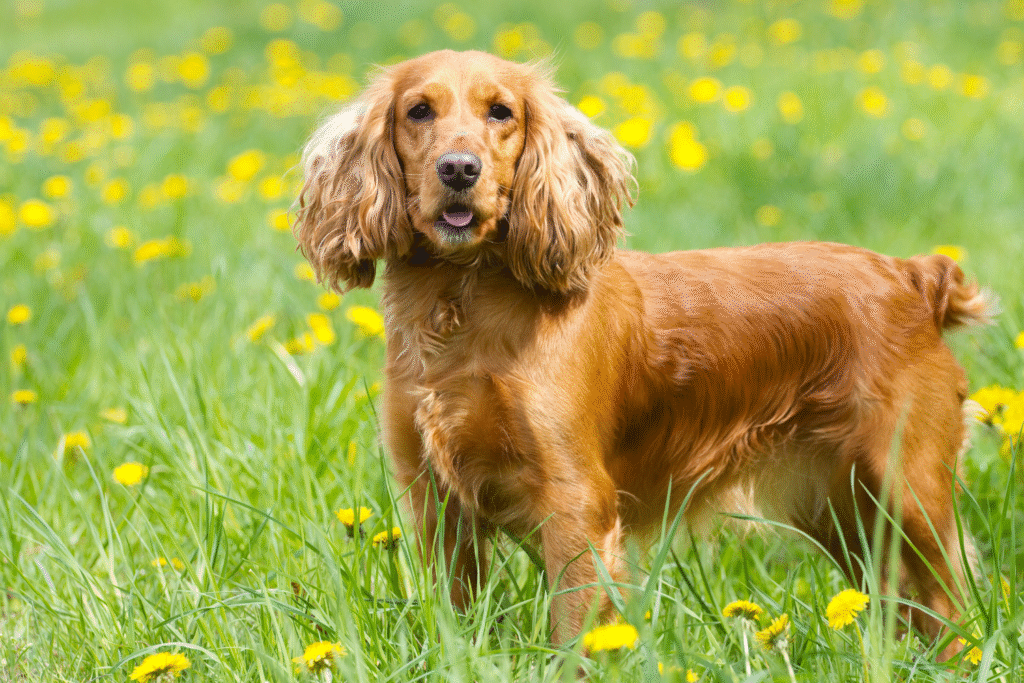
These affectionate dogs carry deep emotional sensitivity, which makes them responsive to small changes in their surroundings. Their moods can swing when tension rises in the home or when they misread human cues. One moment they appear cheerful and eager for attention, then suddenly withdraw if they experience discomfort or confusion. Their expressive faces sometimes hide the swirl of emotions happening beneath the surface.
Families often notice that overstimulation amplifies the swings. Loud environments, unpredictable handling or sudden changes in routine can disrupt their sense of security. Once balance returns, they usually settle quickly, but the shifts highlight how powerful emotional sensitivity can be. This sets the stage for another small dog known for quick changes in mood.
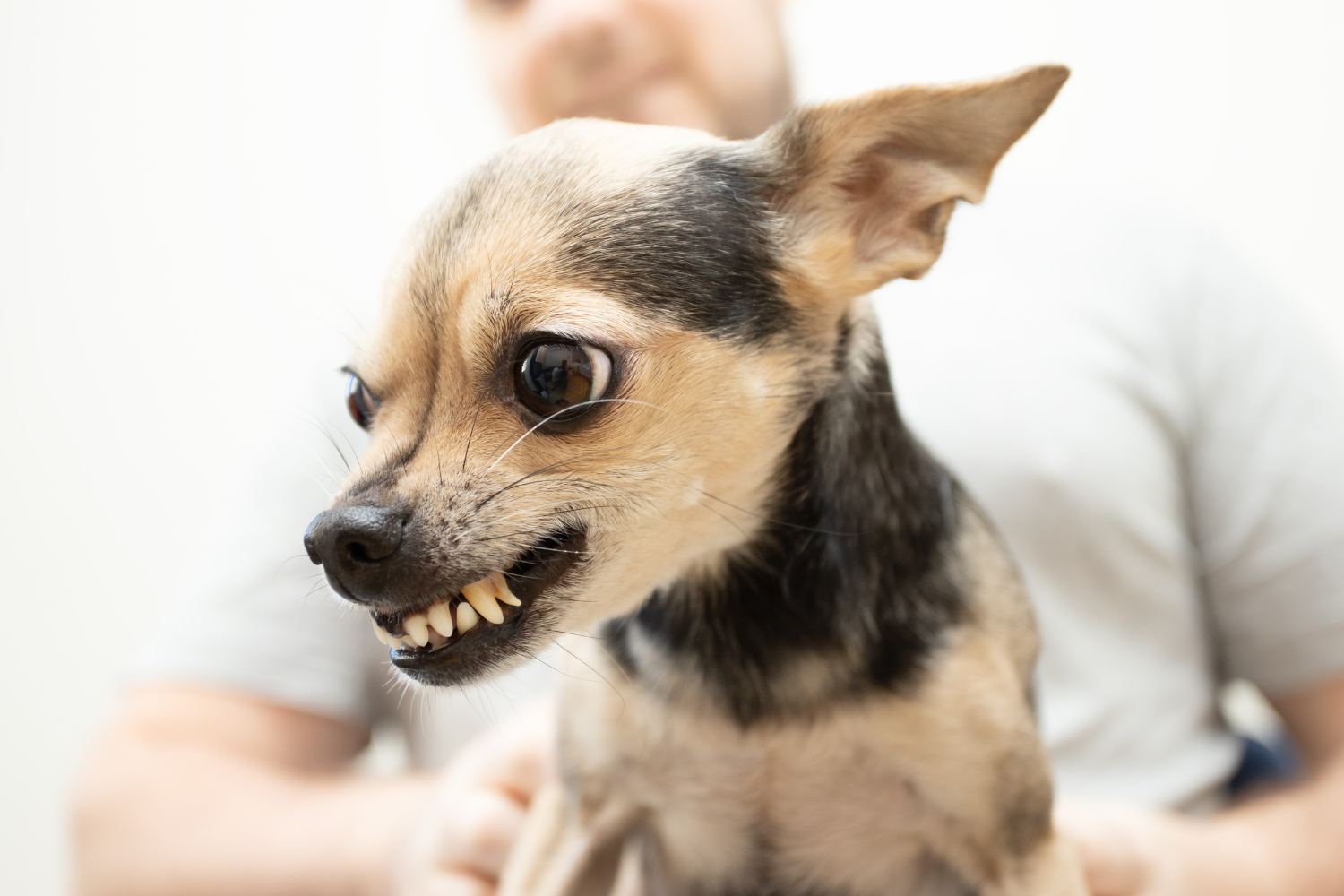
2. Chihuahuas respond to stress with rapid emotional shifts.

Their tiny size makes the world feel larger and more unpredictable, which contributes to quick swings between affection and defensiveness. A Chihuahua may cuddle calmly, then startle sharply at a sudden sound. These changes often stem from fear rather than aggression. Their big personalities amplify each emotion, creating moments of unpredictability that families sometimes misinterpret.
When environments remain stable, their moods stay steadier. Sudden changes in noise or routine, however, can push them into protective behaviors. Understanding this helps owners manage their surroundings more carefully. These shifts offer insight into how instinct shapes small breeds, leading into another dog that also reacts strongly to internal pressure.
3. Akitas may switch from calm to guarded unexpectedly.
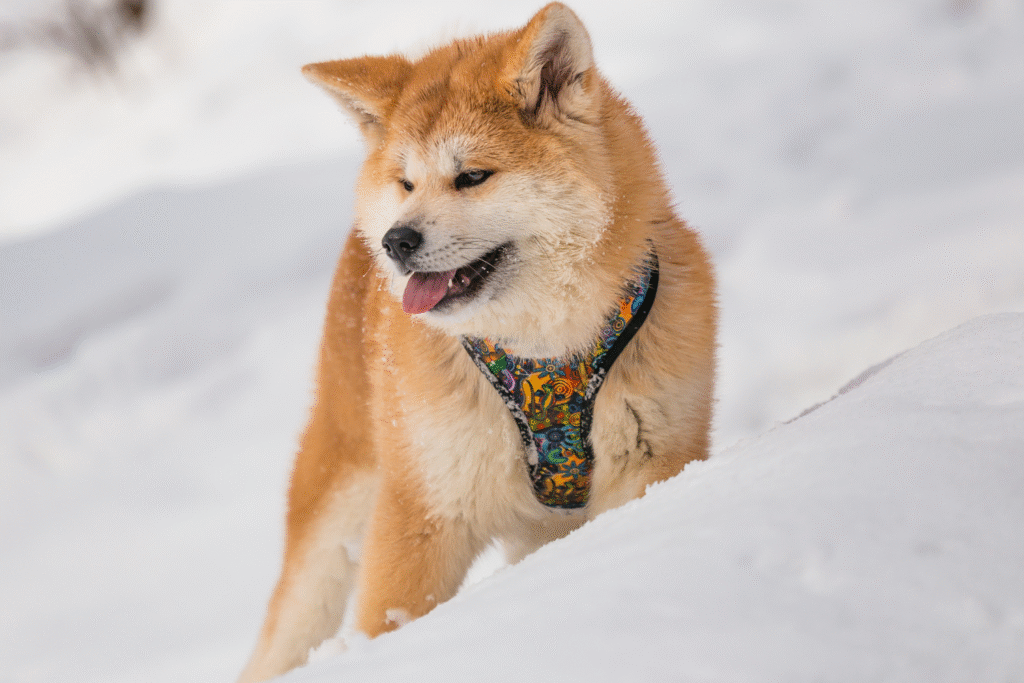
Their strong protective instincts create moods that pivot quickly based on what they sense. An Akita might appear relaxed, then instantly shift into alertness when a visitor approaches or a strange noise echoes nearby. Their reactions stem from vigilance rather than unpredictability, yet the suddenness catches many owners off guard.
A steady routine helps keep their moods balanced. When they feel unsure about their role in the home, the swings grow sharper. Recognizing their need for clarity and calm reduces the rapid shifts, grounding their reactions and setting a smoother emotional rhythm for daily life.
4. Shiba Inus move between affection and aloofness very quickly.

This independent breed expresses emotions on its own schedule. A Shiba may greet its family with warmth and curiosity, then turn inward without warning. These shifts reflect a mix of natural independence and sensitivity to overstimulation. Their moods change when they feel crowded, handled too much or overwhelmed by noise.
Once the pressure eases, they return to their usual calm self. Owners often learn to watch for small signals that hint at a brewing shift. This awareness transforms their relationship and prepares them for the next breed known for its sharp emotional responses.
5. Dachshunds swing moods when discomfort enters the picture.

Their long spines make them vulnerable to pain, and many mood swings start from physical rather than emotional triggers. A Dachshund that was cheerful minutes earlier may suddenly withdraw or stiffen when lifted incorrectly. These reactions reflect genuine discomfort that appears unpredictably due to their anatomy.
When pain is managed carefully, their moods stabilize. Families who understand handling techniques and monitor their posture see fewer abrupt shifts. This connection between physical and emotional response becomes even clearer in the next energetic breed.
6. Jack Russell Terriers shift quickly under heavy stimulation.

Their high energy and sharp focus create fast emotional pivots when excitement runs too high. A Jack Russell may start a game with enthusiasm, then suddenly show frustration if the activity becomes too intense. Their working heritage designed them to respond instantly, and this trait carries into household life.
Calming breaks reduce the likelihood of sharp swings. Without these pauses, their drive can overwhelm them, creating sudden changes that surprise owners. As we move to the next breed, the role of sensitivity becomes even more apparent.
7. Border Collies experience mood swings tied to sensory overload.

These intelligent dogs process more information than most breeds, which means they react quickly to changes in sound, movement or emotional tone. A Border Collie may shift from relaxed to tense within seconds when something disrupts their mental rhythm. Their heightened awareness makes their moods feel sharper and more variable.
Structured activities support steadier behavior by giving them clear outlets for their energy. When those outlets disappear, their moods fluctuate more intensely. This sensitivity mirrors patterns found in several working breeds, including the next dog known for complex emotional layers.
8. Australian Shepherds show quick transitions when routines shift.

These dogs thrive on predictable patterns. When their structure breaks, they pivot between excitement, stress and uncertainty without much warning. An Aussie may greet guests with joy, then suddenly retreat if the environment becomes too chaotic. Their internal barometer changes rapidly in response to movement around them.
Clear direction helps stabilize their moods. Without it, the swings grow stronger and more frequent. This pattern leads smoothly into another breed shaped by strong instinct and emotional complexity.
9. Shar Peis reveal sudden changes linked to discomfort or confusion.

Their skin folds can hide irritation, and discomfort often triggers abrupt mood shifts. A Shar Pei that was calm moments earlier may become tense or withdrawn if their skin becomes itchy or painful. The swings appear sudden because the physical trigger is often invisible to owners.
Once the discomfort eases, their moods return to normal. This back and forth cycle highlights how closely physical wellness and emotional stability intertwine. That theme continues as we move into the next breed known for big feelings.
10. Rottweilers sometimes swing moods when confidence wavers.

Their emotional shifts often appear when they feel unsure about a situation. A Rottweiler may seem friendly and calm, then suddenly become guarded if they sense uncertainty from their owner. These swings reflect their deep bond and strong desire to feel grounded in their role.
Consistent leadership softens these changes. When they know what is expected, their moods stay steady. This balance connects naturally to the next breed where emotional depth runs equally strong.
11. Great Pyrenees shift from gentle to vigilant in an instant.
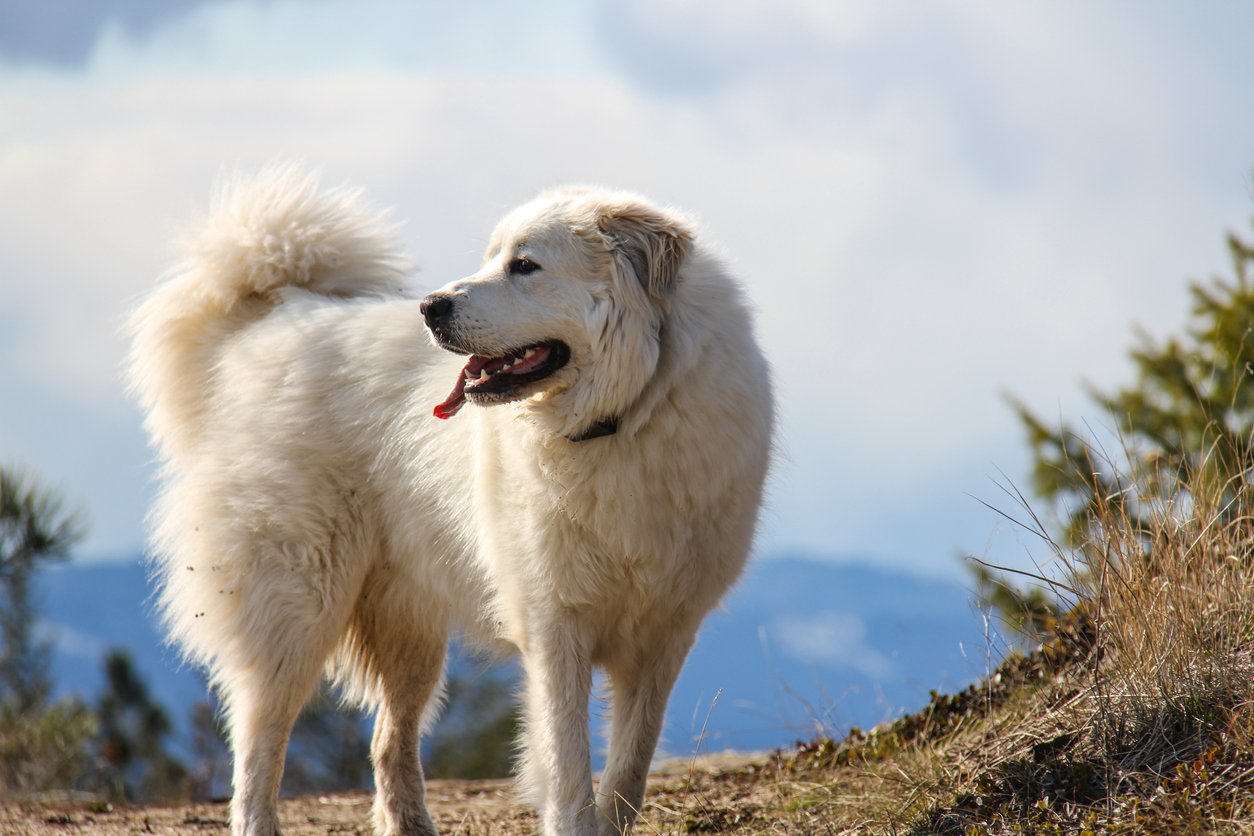
These livestock guardians were bred to scan their surroundings constantly. Their moods shift based on perceived threats. A quiet dog relaxing indoors may suddenly stand and move to a window with intense focus. That pivot reflects instinct rather than unpredictability.
When environments feel calm, their relaxed nature shines. Once the atmosphere changes, however, their protective side rises immediately. This instinct driven shift opens the door to the final breed known for variable emotion.
12. Standard Poodles move quickly between calm and anxious states.

Their intelligence and sensitivity create emotional swings that can confuse families. A Poodle may appear confident during play, then retreat quietly when overwhelmed by noise or tension. These shifts stem from their ability to absorb emotional energy from the people around them.
Steady routines and warm guidance help reduce the abrupt changes. When they feel secure, their moods balance beautifully. Their emotional landscape closes the list, showing how varied and complex mood swings can be across beloved breeds.