
The future of your food, your flowers, and your favorite snacks depends on a species most people do not even notice anymore.

Bees are vanishing in faster than they ever have before, and the reasons are not random. In 2025, researchers are reporting a continued global decline in bee populations, with some regions seeing drops of over 40 percent in just a few years. Pesticides are interfering with their brains. Parasites are wiping out entire colonies. Climate chaos is throwing off flower blooms while habitat loss strips away the very plants bees need to survive. Add industrial farming and polluted air to the mix and it is no wonder they are not showing up anymore. The worst part is how quiet the collapse has been. No sirens. No warning signs on your grocery receipt. Just fewer buzzing wings and more empty blossoms.
The terrifying reality is that a world without bees would mean the end of most fruits, nuts, vegetables, and wildflowers. Livestock would be affected too, since so many animal feed crops rely on pollination. This is not a sci-fi scenario. This is happening now, and we are not just bystanders in it. We are directly tied to the fall.
1. Grocery stores would lose more than a third of their fresh produce overnight.
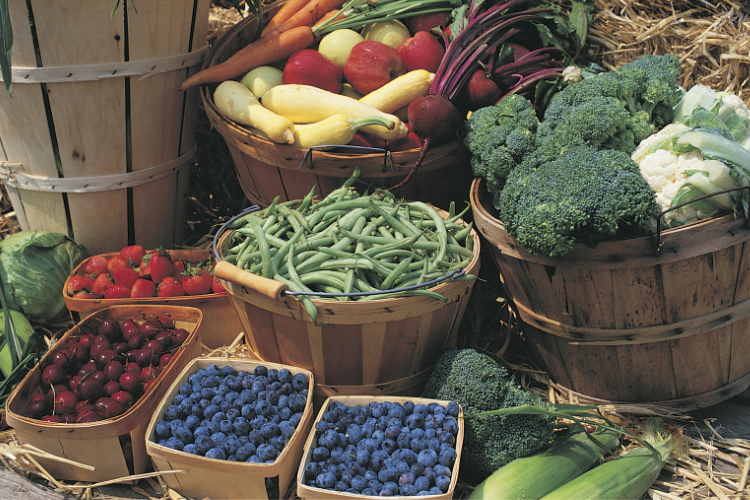
Walk into a grocery store and picture it without strawberries, cucumbers, apples, blueberries, tomatoes, pumpkins, and nearly every melon. That is the future without pollinators like bees. Most people think pollination is only about flowers, but the produce section would be one of the first places to feel the sting. No bees means no pollination, and no pollination means crops either fail entirely or yield only a fraction of what they should, according to Brian Palmer at NRDC.
Even crops that do not directly rely on bees for fruit still depend on them for seed production. So the cycle breaks at the root. Prices would skyrocket. Availability would plummet. Farmers would be forced to prioritize hardier crops that can self-pollinate or rely on wind, but that list is short and mostly filled with bland grains. It would not just change your meals. It would change what farmers grow, what stores stock, and what you can even afford to eat.
2. Some entire ecosystems would collapse without bees to hold them together.

Bees are not just important for food. They are engineers in wild landscapes. When a bee lands on a flower in a meadow or forest and carries pollen to the next bloom, they are literally keeping entire food webs intact. Take the bees away and you lose the plants, as reported by the experts at Britannica. Take the plants away and you lose everything else.
Many insects rely on the nectar and pollen of bee-pollinated flowers. Birds feed on those insects. Small mammals nest in the plants that rely on pollination. It is a domino effect that does not stop. When bees go, the web gets cut. Some areas have already seen plant populations collapse because of a lack of pollination. Entire meadows are turning silent. Wild spaces do not rebound quickly. Once the bee disappears, everything it supported falls behind it.
3. Livestock feed like alfalfa and clover would vanish, impacting dairy and meat.
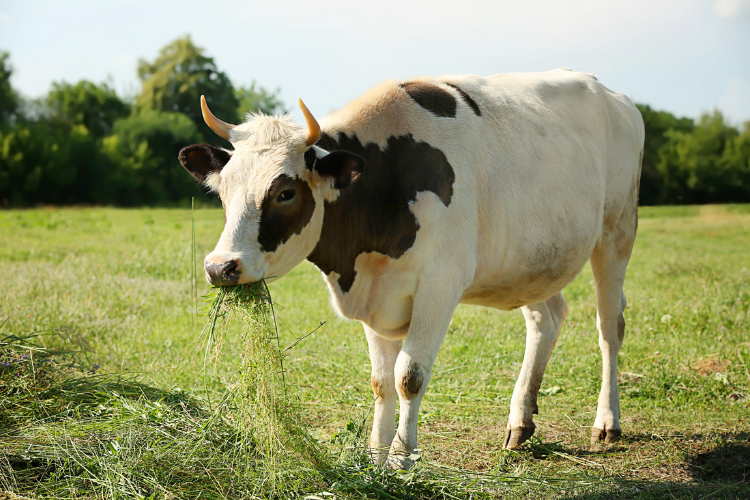
Most people never stop to think that bees do not just make food for humans. They help grow the food that feeds our food. Alfalfa and clover are two of the most widely grown bee-pollinated crops in the world. These are not salad ingredients. They are the backbone of feed for cows, goats, sheep, and even horses.
If pollination fails, these crops fail too, as stated by the authorities at BBC. That means less feed for livestock and much higher prices for dairy and meat. Small-scale farms would be hit hardest. Some would not survive the cost spike. Large producers would have to switch to lower-quality feed alternatives that do not provide the same nutrients. That trickles down to us. Less protein. Lower quality dairy. More expensive everything. The meat industry is not as independent from bees as it likes to think.
4. Our mental health would suffer without the foods bees help provide.

You do not usually connect bees with brain health, but the ripple effect of their disappearance goes further than just hunger. The foods most dependent on pollinators—berries, nuts, leafy greens—are also the ones most closely tied to cognitive performance and mood stability. Omega-rich seeds, antioxidant-packed fruit, magnesium-filled greens. All gone or too expensive to reach the average diet.
When nutrition tanks, mental health follows. Depression rates rise. Focus weakens. Anxiety gets worse. Entire populations that already have food insecurity would be pushed further into deficiency. Add to that the stress of ecosystem collapse, financial strain, and the sudden loss of everyday foods, and you have the perfect storm. We need bees not just for survival but for our sanity.
5. Some species of birds would starve without bee-pollinated seeds.

Bees do not just visit bright blossoms for our sake. Many wildflowers and shrubs that birds rely on for seed production are pollinated exclusively by native bees. If those bees vanish, the seeds do not get made. And if the seeds are gone, the birds have nothing to eat.
Finches, sparrows, jays, and even some hummingbirds rely on those seeds during nesting and migration seasons. Baby birds do not hatch into a world of plenty. They hatch into a system that relies on exact timing. If bees do not show up to pollinate in spring, there will be nothing left by late summer when seeds should be abundant. The birds go hungry. Some do not come back the next year. The ones that do come back with fewer numbers. That loss is not always loud, but it is permanent.
6. Massive crop failures are already happening in places bees no longer visit.
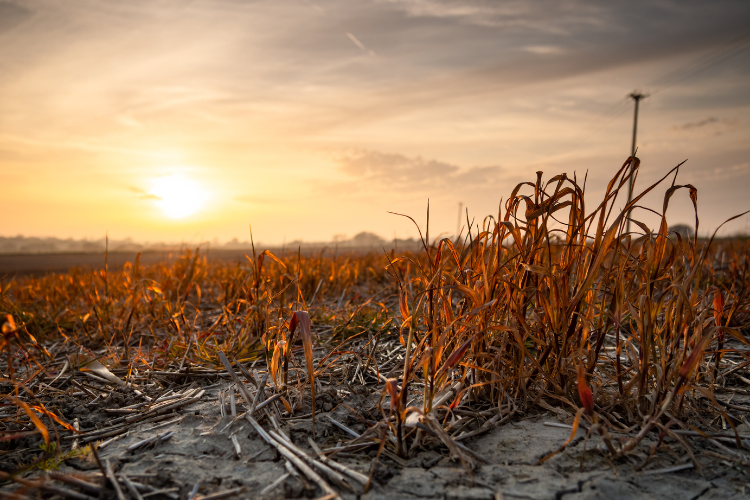
This is not some hypothetical sci-fi warning. It is already here. Regions that were once bursting with bees are now watching their yields drop like rocks. Entire almond orchards in California have struggled to find enough hives to rent during bloom. And when bees do not show up, there is no backup plan. Hand pollination does not scale on American farms the way it does in some parts of China. Without those flying matchmakers, blossoms just fall off trees without turning into fruit.
Farmers are burning through their savings just trying to get enough pollination to make the season worth it. Some are giving up entirely and switching crops, or leaving fields empty. Pollinator shortages have already pushed up prices in the produce section, and that is only going to hit harder as more pollinators disappear. The loss of bees means the unraveling of entire agricultural systems we rely on without even thinking.
7. Bee-dependent crops would create pricing wars no one is ready for.
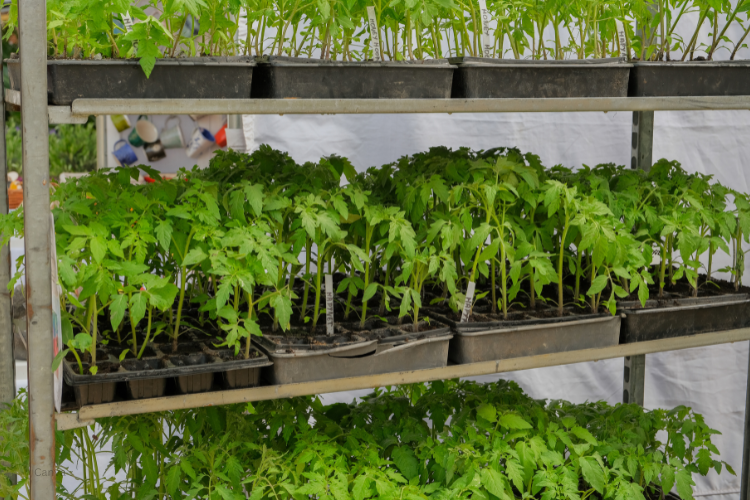
The second bees become unreliable, the most basic concept of supply and demand gets messy fast. Suddenly, crops that were once affordable for everyone are now luxury items because there are not enough pollinators to go around. Blueberries, cucumbers, watermelons, and dozens more jump in price, and it is not gradual. It is sharp. It is chaotic. And it plays out differently in every region, depending on how many bees made it to that part of the map.
Major food suppliers will get into bidding wars just to get enough product to keep shelves stocked. That turns into higher prices for consumers, but also more tension across the food system. Grocery stores will quietly drop produce they can no longer source affordably. Smaller retailers will be pushed out of the market completely. People will blame inflation or shipping, but the root issue is going to be tiny wings that never showed up.
8. Your dog’s kibble could get way more expensive and less nutritious.

No one talks about this, but bees are tied to pet food more than most people know. A lot of protein in dog kibble comes from chickens, turkeys, and cows, but those animals rely heavily on crops like alfalfa and clover. Guess who pollinates those. Bees are not just helping plants we eat directly. They keep the animal feed system running too. When bees drop off, livestock feed takes a hit, and that makes meat and dairy more expensive. That ripple effect travels straight to pet food factories.
So now you are either paying more or watching the ingredient quality tank. Brands will start cutting corners. And it is not like your dog can explain that they are suddenly bloated and itchy. The most basic, invisible ways bees touch daily life keep going and going, right into the bowl of a Golden Retriever who has no idea his dinner now costs twice as much and has half the benefits.
9. Wildflowers that feed entire insect networks would stop blooming.
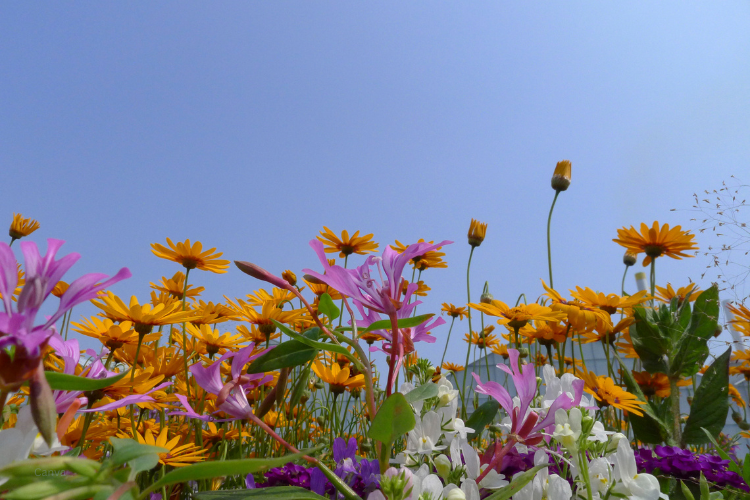
When bees leave a space, it does not just become quiet. It becomes empty. Wildflowers that rely on bees to reproduce stop blooming after a few seasons. That may sound small until you realize how many insects, birds, and small mammals rely on those plants for food. You are not just losing flowers. You are losing habitats. You are breaking entire food chains one forgotten bloom at a time.
The disappearance of wildflowers reshapes ecosystems at the soil level. The shade they provided, the nutrients they recycled, the cover they gave to pollinators—all of it vanishes. Insect diversity tanks. Songbirds go silent. Soil becomes less stable. The things we barely notice but completely rely on start slipping away. And once they are gone, they do not just pop back up. Wild systems unravel much faster than we think.
10. Indigenous food systems are being quietly erased along with wild pollinators.
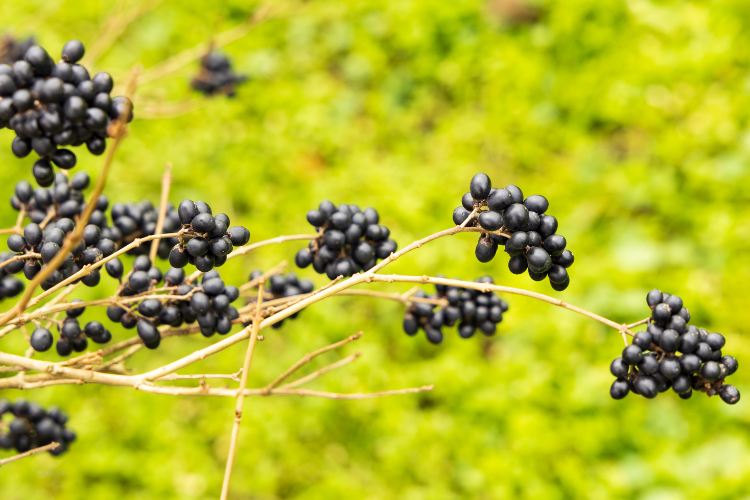
This is not just about grocery stores or export crops. In regions from the Amazon to Alaska, Indigenous communities have relied on native pollinators to maintain traditional diets for thousands of years. Wild berries, medicinal plants, and seasonal herbs are disappearing from landscapes where bees and other pollinators have crashed. And when you pull that thread, a lot more comes loose. Knowledge passed down for generations stops being usable. Ceremonies shift. Entire relationships with the land get disrupted.
Bees are part of those ecosystems in ways that cannot be replaced. You cannot drop a box of rented honeybees into a tundra ecosystem and expect it to work. Wild bees have co-evolved with their environments and the humans who live there. Without them, cultural food sovereignty takes a direct hit. And most people will not hear about it until it is already too late to fix.
11. Bee losses are already making grocery store prices feel unstable.
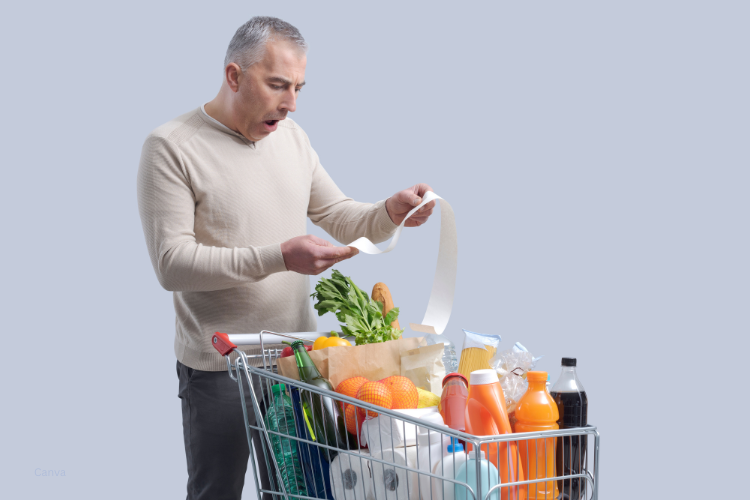
People keep talking about inflation and supply chains like they are floating in space. Meanwhile, one of the most physical reasons prices are going up is crawling around in the dirt or flying away for good. No bees means less supply. Less supply means higher prices. It is not complicated. Even the biggest grocery chains are watching pollinator-dependent crops turn into risky inventory.
It is starting with fruits and nuts, but the issue creeps into things like beans, squash, and even certain spices. Farmers have to hedge their bets, which means growing less variety. That leads to more monoculture and fewer nutrients overall. And as diversity drops, the cost to maintain what is left rises. The shelves stay stocked, but the price tags do not make sense anymore. This is not an economy glitch. It is an ecosystem breakdown.
12. Pharmaceutical plants that rely on pollination would go extinct quietly.
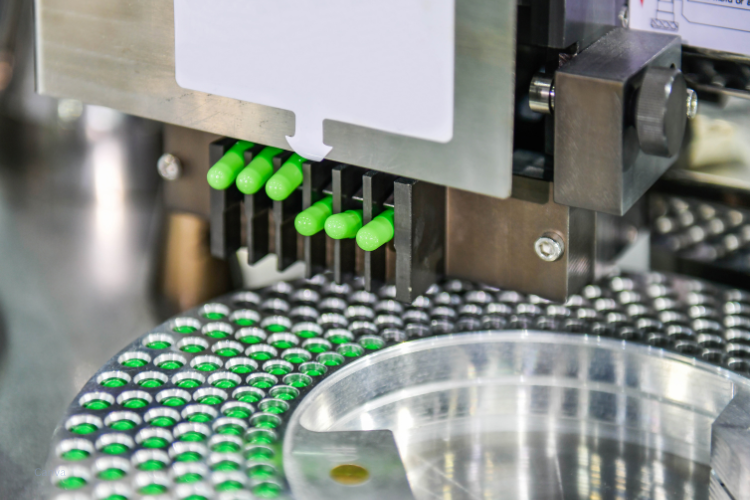
Most people do not connect bees to medicine, but the link is very real. Dozens of plant species used in pharmaceuticals, both modern and traditional, rely on pollinators to survive. Some are found only in niche environments and need specific wild bees to reproduce. When those bees disappear, the plants do not just suffer. They vanish. Entire compounds used to treat inflammation, pain, and chronic illness are lost at the source.
These plants do not make headlines. They are not sold in bulk at farmer’s markets. They exist in forests, fields, and margins of ecosystems where few people are looking. And that is exactly how they go extinct—quietly. We will not notice until supply chains for certain drugs dry up. When that happens, replacement takes years of research and millions in funding. And it still will not work the same way as the original.
13. The honey industry would fold and take countless small farms with it.
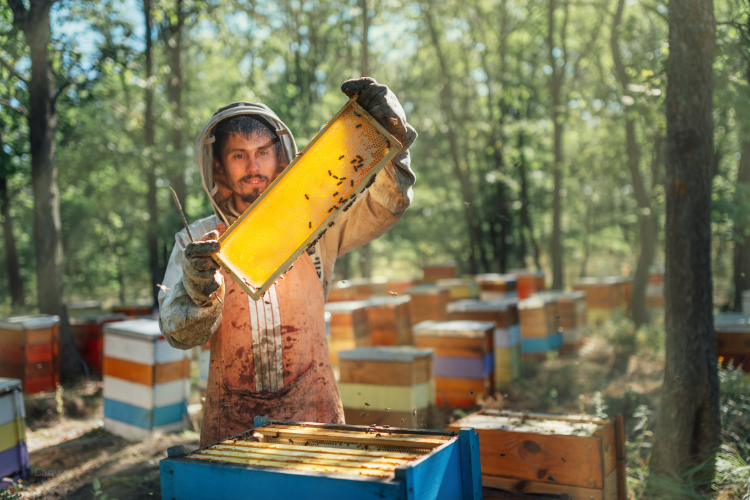
People love honey, but they forget it is a farmed product that depends on healthy hives. Commercial beekeeping operations already operate on thin margins, and colony collapse is pushing them closer to the edge every year. As the cost of maintaining bees goes up and yield goes down, small-scale producers cannot keep up. And when they go under, they take more than just honey with them.
Many of these beekeepers also rent their hives to pollinate crops across the country. They are the glue holding together major food operations. Without them, entire networks of seasonal pollination collapse. Small farms that relied on hive rentals lose access and get priced out of the market. Honey vanishes from shelves, but that is only the surface. The deeper impact is an agricultural domino effect no one is prepared to stop.
14. Almonds would become unaffordable within a single harvest cycle.
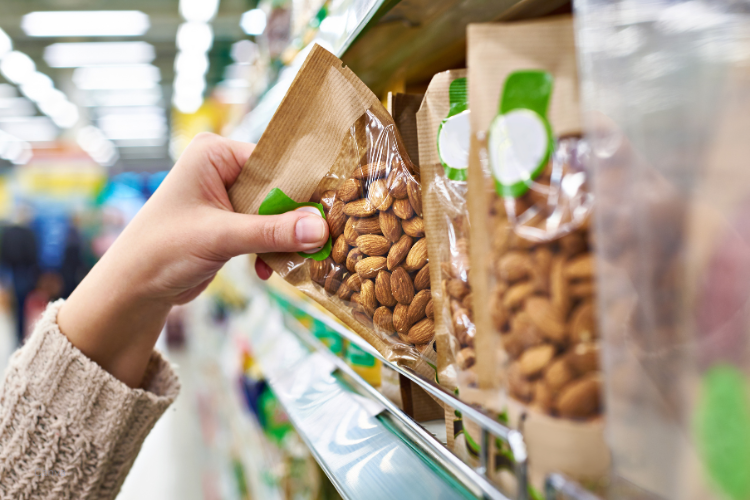
Everyone drags almonds into this conversation, and to be fair, they kind of earned it. Almonds are one of the most pollinator-dependent crops in the world, and they need an unreal number of bees to make a single harvest work. If the bees do not show up in February during bloom, the entire yield tanks. And that happens quickly. One bad season and prices spike. Two in a row and they spiral out.
It is not just about losing a snack. California’s almond industry is worth billions and fuels a massive part of the state’s agricultural economy. Without bees, it becomes unstable overnight. The environmental cost of trying to hand-pollinate or compensate with tech would be massive. And consumers would feel it fast. A handful of almonds goes from two dollars to eight, and the average shopper stops buying altogether. The nut that once sat on every coffee shop counter becomes a rare luxury item that most people can no longer justify.
15. Forget almonds, we are facing the collapse of the human food web.

Almonds are just the trendy face of the problem, but the real crisis goes way deeper. About one third of everything humans eat relies on pollination, and bees are carrying a huge part of that load. If they vanish, we are not just losing snacks. We are looking at a full breakdown of how food gets made. This includes vitamins, oils, proteins, and basic ingredients across cultures.
The longer bees disappear, the harder it gets to reverse. You cannot fast-track a new species to do what native bees do. And mechanical pollination is expensive, inefficient, and out of reach for small farmers worldwide. We are not built to survive in a world where the food web collapses from the bottom up. If we are not scared of losing bees, it is only because we do not fully understand what they were doing for us every day without asking for anything in return.