Why Cats Raised Alone Behave Differently Than Litter Raised Cats

Early social gaps quietly reshape adult feline behavior.
©Image via Canva

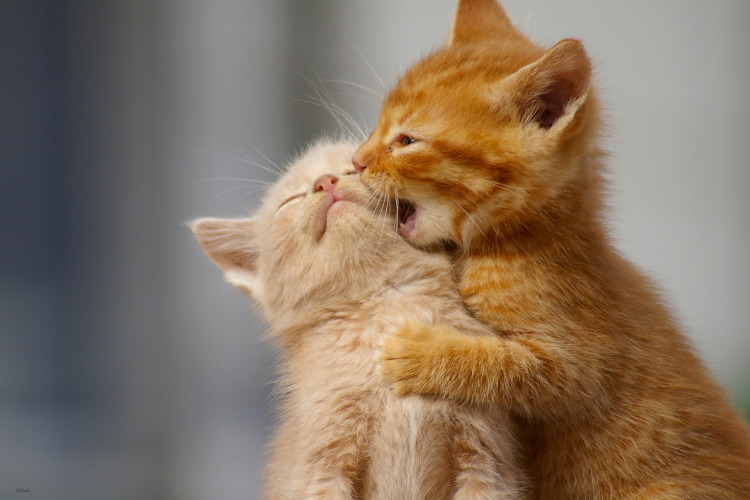
A single kitten raised without siblings rarely looks different at first. Food arrives on time. Hands replace littermates. The environment feels calm, controlled, even ideal. Yet researchers have long flagged these situations as quietly consequential. Social learning normally unfolds through constant friction. When that friction disappears, development does not stop. It simply redirects. The effects stay hidden for months or years. Adult behavior becomes the first real signal, surfacing differences that feel emotional, puzzling, and difficult to trace back to those earliest weeks.

Read more

What It Really Means When A Cat Sleeps In A Different Room Every Night

Nighttime choices reveal instincts few owners question.

©Image license via Canva

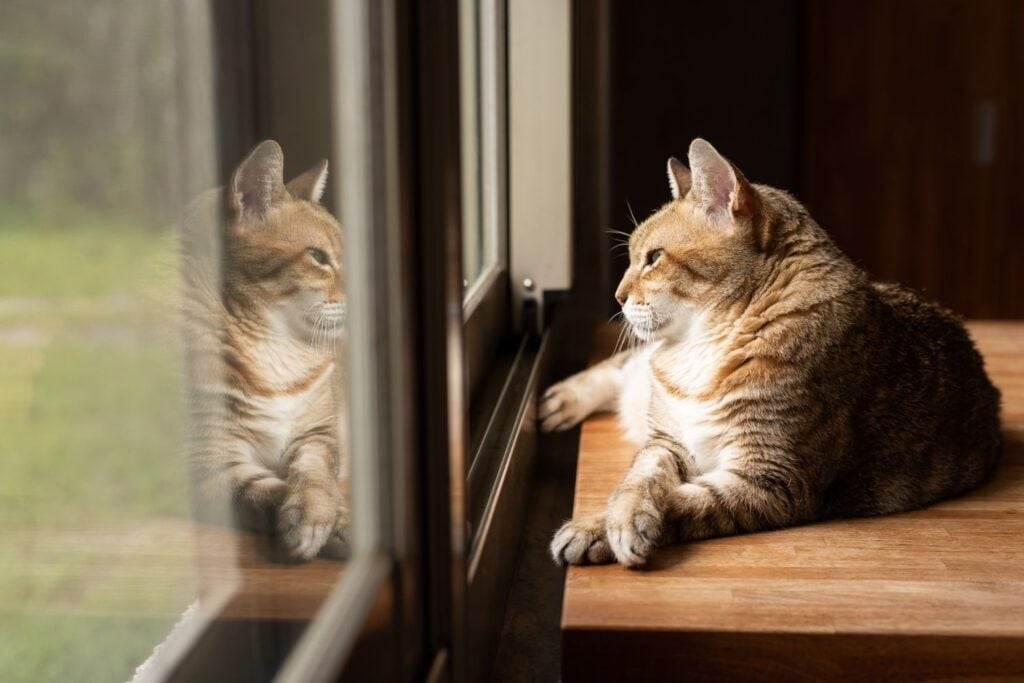
A cat that changes sleeping rooms each night can create quiet unease. One evening it chooses the bed, another the sofa, then a hallway chair. The behavior feels deliberate, even pointed. Cats value routine, yet nighttime rewrites priorities shaped by safety, comfort, and instinct. Darkness alters how space is evaluated. What appears restless is often calculated. These nightly decisions are rarely emotional reactions. They are responses to subtle signals humans do not register, unfolding after lights go out and attention fades.

Read more

When a Cat Seems Fine but Isn’t

Hidden illness often wears a mask of normalcy.

©Image via Canva

Cats evolved to hide weakness, so illness often stays invisible until late. A cat can eat, groom, and nap while internal systems quietly strain. Veterinarians see this pattern daily in clinics, shelters, and homes, where subtle changes precede serious disease by weeks or months. Recognizing these early signals depends less on dramatic symptoms and more on noticing small shifts in routine, posture, and interaction that suggest the body is compensating rather than truly healthy long before collapse becomes visible externally.

Read more

Why Some Cats Suddenly Reject Food They Loved For Years

Appetite shifts often signal deeper changes unfolding quietly.

©Image license via PetsnPals/ChatGPT

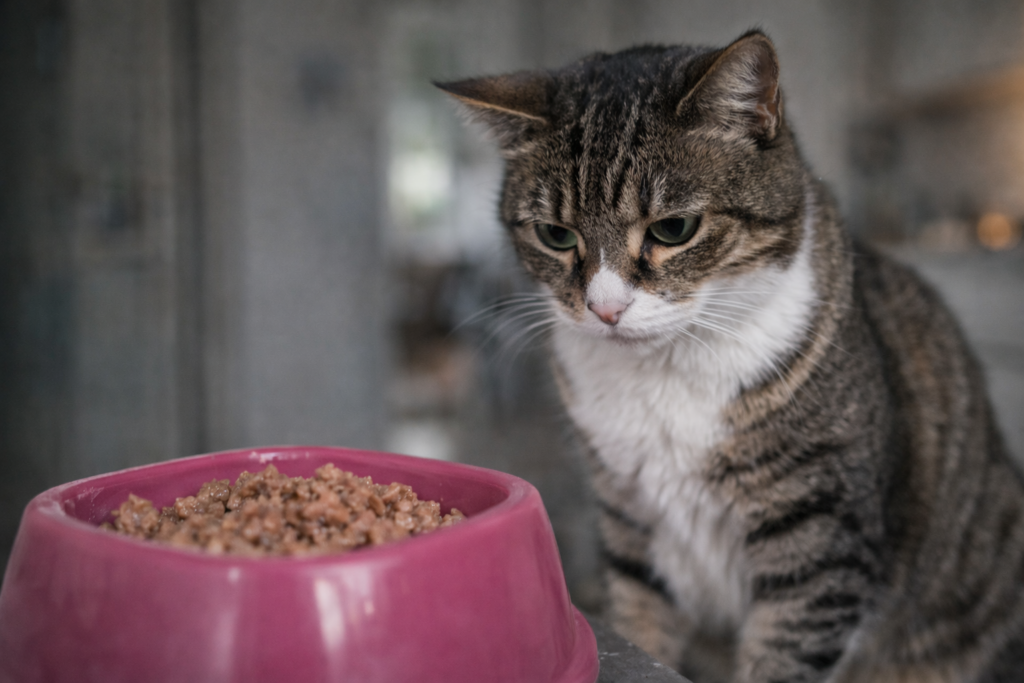
Cats are famously consistent eaters, so when a longtime favorite food is suddenly ignored, it can feel unsettling. This behavior rarely appears without cause. Veterinarians see these shifts as early signals tied to health, sensory change, or environment rather than whim. A cat’s relationship with food is shaped by memory, smell, comfort, and physiology all at once. When one of those layers changes, appetite can unravel quickly, sometimes long before more obvious symptoms surface.

Read more

How Apartment Living Changes a Cat’s Behavior

Indoor life rewires routines more than you think.

©Image license via Canva

In a third floor walk up in Chicago or a high rise in Los Angeles, a cat’s territory can shrink to a few rooms, one front door, and a handful of windows. That smaller world does not automatically mean stress, but it does change how a cat moves, rests, plays, and reacts to noise. Indoor predictability can create comfort, yet tight space also magnifies friction. The result is a set of behavioral shifts that owners often notice gradually, then all at once.

Read more