Why Indoor Cats Often Develop Stress Behaviors Owners Miss

Subtle signals hide mounting pressure inside quiet homes.
©Image license via Canva

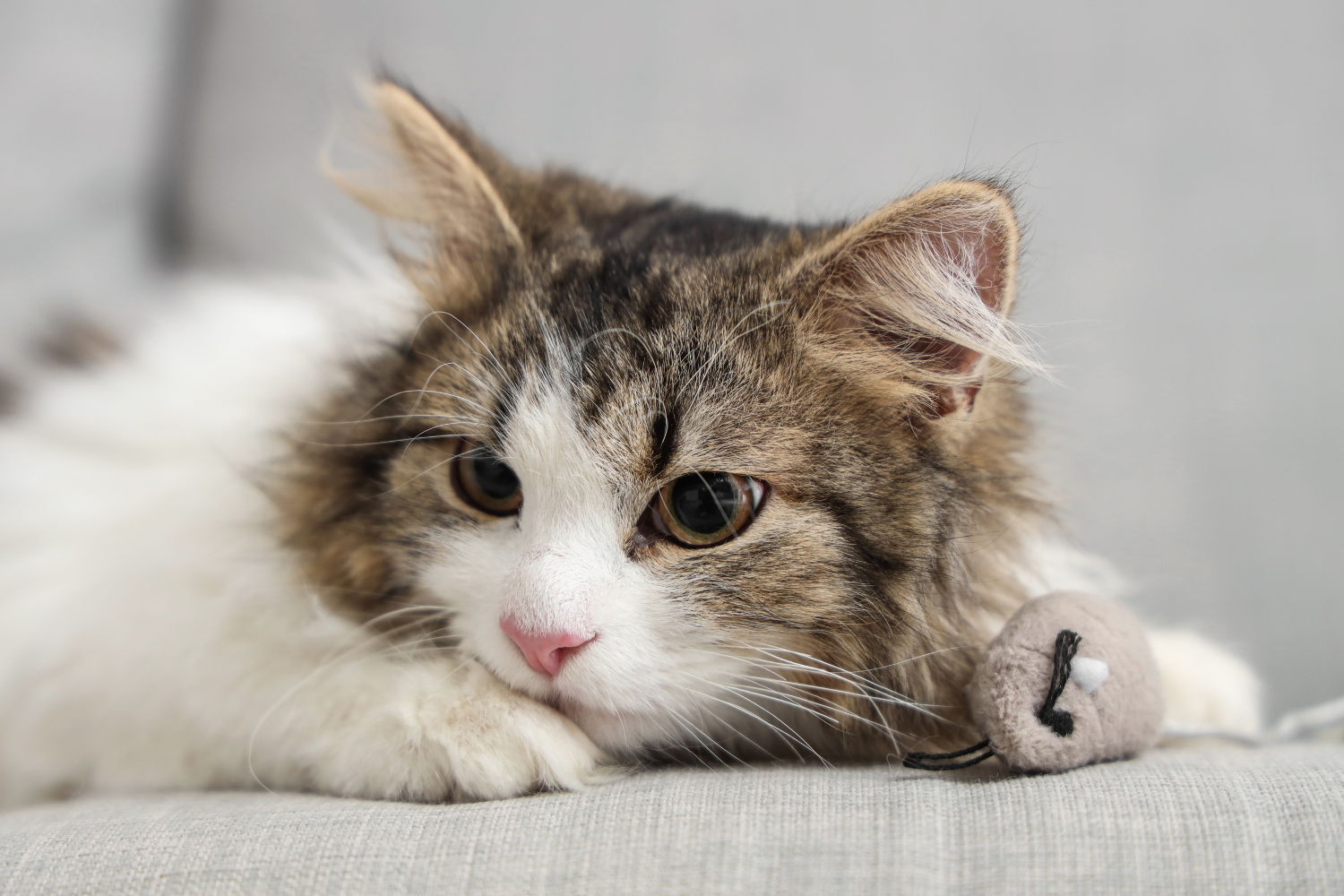
Indoor cats are often described as safe, calm, and protected, yet veterinarians and behaviorists repeatedly see stress related problems in cats that never step outside. These behaviors rarely look dramatic. They blend into daily routines and are easily misread as quirks or personality. Meanwhile, the underlying tension builds. Environmental restriction, lack of control, and unmet instincts quietly reshape behavior over time. By the time stress becomes obvious, it is often entrenched. Understanding how these signals appear, and why they are missed, changes how indoor cat wellbeing is understood.
Read more

13 Cat Behaviors That Indicate Pain, Vets Warn

Subtle shifts often hide serious physical distress.

©Image license via Canva

Cats rarely advertise pain the way people expect. Instead, discomfort leaks out through small behavioral changes that feel easy to explain away. A cat still eats, still jumps, still sleeps nearby, so concern stays low. Yet pain quietly reshapes instincts, posture, and tolerance long before obvious illness appears. Vets say these early signs often surface days or weeks ahead of diagnosis. Missing them can allow treatable problems to worsen, changing outcomes and recovery windows in ways no owner intends.

Read more

Do at Least One of These 8 Things and Your Cat Will Trust You for Life

Trust forms quietly through repeated, easily missed moments.

©Image license via Canva

Cats do not give trust all at once. It accumulates through small decisions made daily, often unnoticed until something shifts. A cat choosing to stay instead of leaving, to watch instead of hiding, or to sleep nearby instead of elsewhere signals a change already underway. These moments carry weight because trust, once broken, is difficult to rebuild. What creates it is rarely dramatic. The tension lies in how easy it is to undo progress without realizing it, especially inside shared homes where routines and reactions shape feline judgment constantly.

Read more

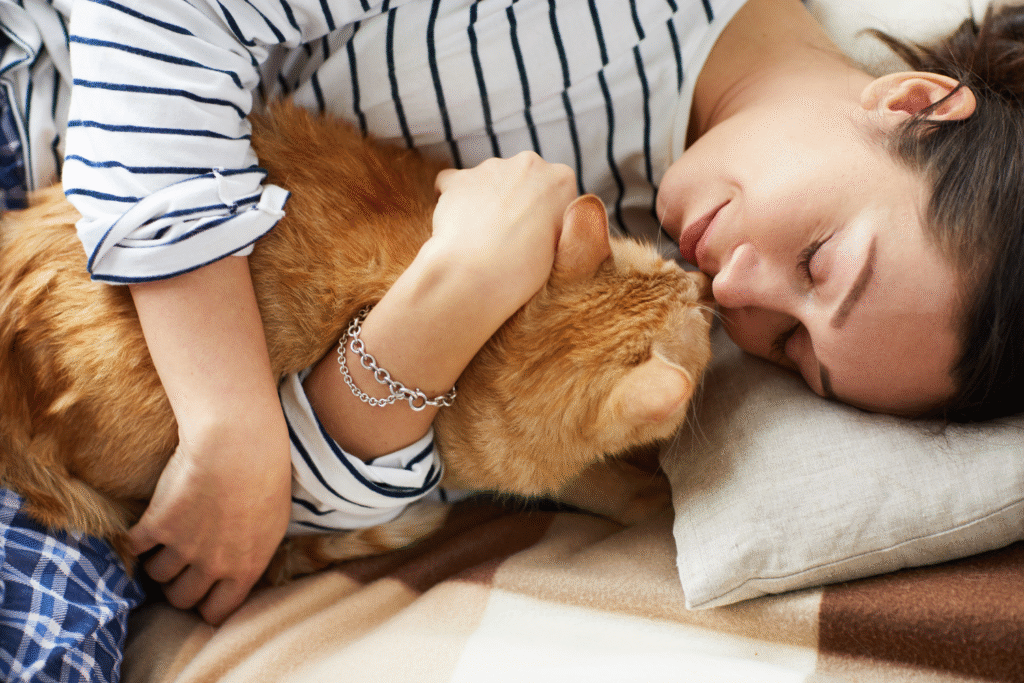
How Cats Quietly Choose Their Favorite Person

Affection forms long before anyone notices patterns.

©Image license via Canva

In multi person homes, cats often reveal preferences slowly. A shift in sleeping spots, a longer pause beside one person, or a habit of following someone room to room can feel accidental. Yet these moments accumulate. Unlike dogs, cats rarely announce loyalty. Their choices unfold through routine, proximity, and subtle trust cues. What looks random is usually selective. The tension comes from not knowing when the decision happens, or why one person becomes central. Understanding this process requires watching what cats notice, not what people expect.

Read more

How Early Weaning Changes A Cat’s Adult Behavior

The quiet moment when separation arrives too soon.

©Image license via Canva

The moment a kitten leaves its mother rarely looks dramatic. It happens in living rooms, shelters, barns, and back rooms where timing feels practical rather than consequential. Yet behaviorists have spent decades circling this transition, noticing subtle patterns that surface much later. Something shifts quietly when nursing ends early. The change does not announce itself in kittenhood. It waits. Adult behaviors begin forming before owners know what to watch for, creating a long delayed ripple that often feels personal once it finally appears.

Read more