How A Cat’s Whiskers Reveal Chronic Stress Over Time

Tiny sensory threads quietly recording emotional history.
©Image license via Canva

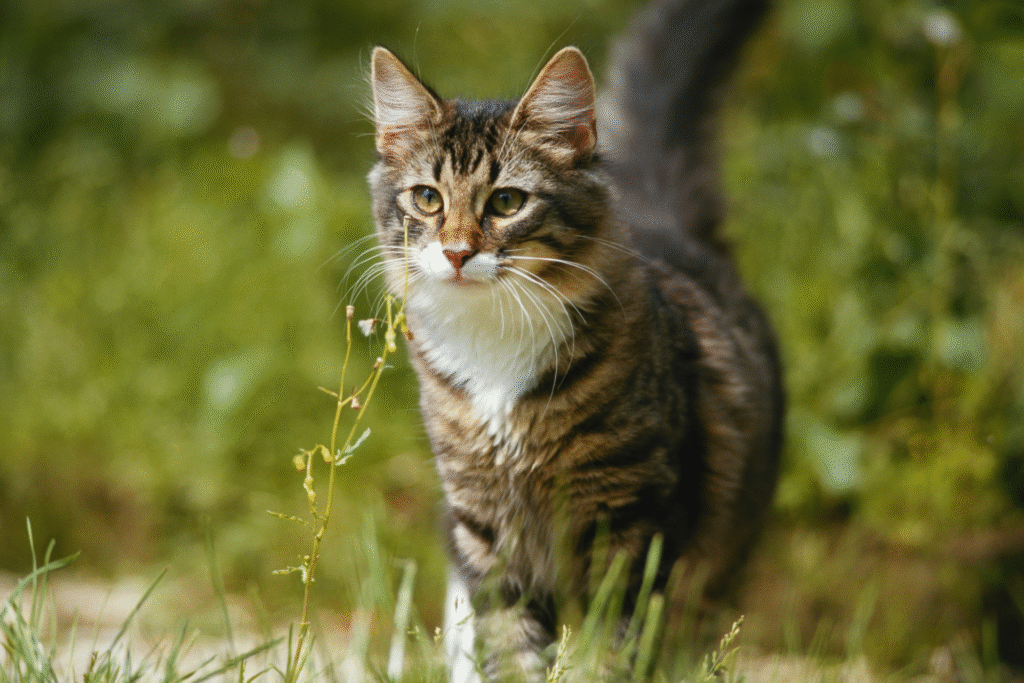
Stress in cats often hides beneath calm appearances. Long before behavior changes, the body records strain in subtle ways. Whiskers, deeply connected to nerves and blood supply, quietly capture these signals. As they grow, they absorb hormones linked to emotional and physical stress. Over weeks and months, whiskers preserve a timeline of what a cat experiences. Scientists now study these fibers to understand chronic stress patterns that once went unnoticed. The result is a biological record that reveals tension long before outward signs emerge.
Read more

What It Means When A Cat Stops Grooming One Side Of Its Body

Subtle asymmetry can signal deeper physical trouble.

©Image license via Canva

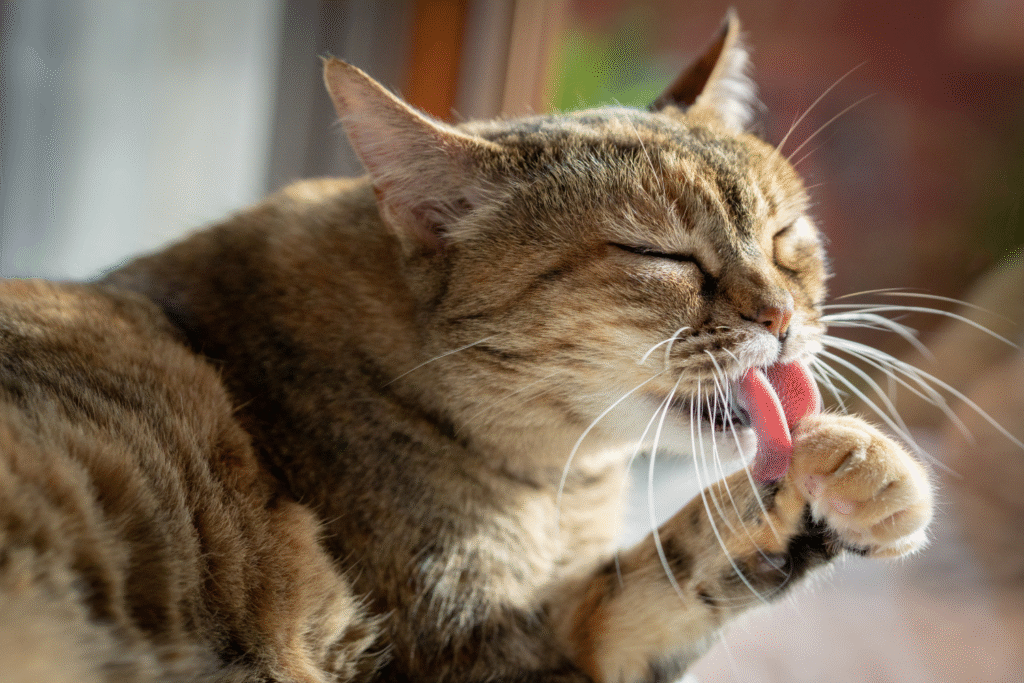
Cats groom with precision, rhythm, and purpose, often spending hours each day maintaining their coats. When that behavior changes, especially in an uneven way, veterinarians take notice. A cat that suddenly ignores one side of its body is not being careless. It is responding to something internal. These changes often appear before limping, vocalizing, or appetite loss. Grooming asymmetry acts like an early warning system, quietly pointing to pain, neurological shifts, or physical limitation. Watching these small changes closely can reveal serious issues while they are still treatable.

Read more

Dogs Raised With Cats Develop Social Habits Most Owners Don’t Expect

Shared homes reshape social rules in subtle ways.

©Image license via Canva

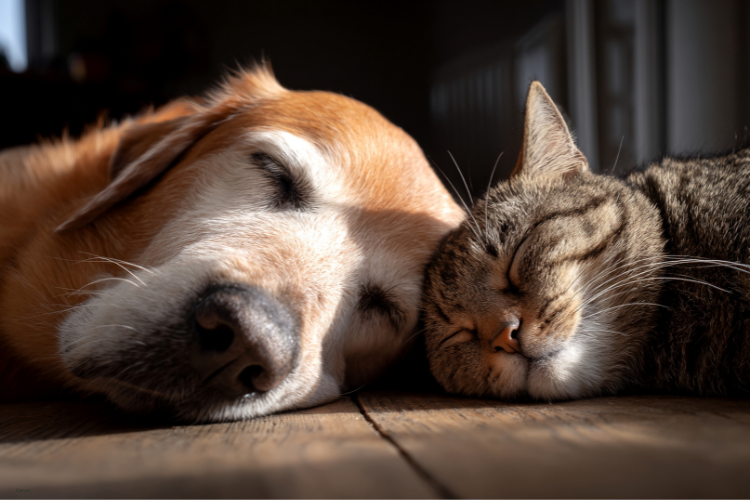
In mixed pet households across the US, dogs and cats negotiate tiny treaties every day. A puppy learns fast that a cat’s patience has limits, and a cat learns which dog manners feel safe. Over months, that constant feedback changes how the dog greets, plays, waits, and even relaxes. None of it looks dramatic, but owners notice the difference when that dog meets other animals or navigates a busy home. The result is a dog with a slightly different social toolkit, tuned by feline boundaries.

Read more

The Sleeping Spots Cats Choose Can Signal Hidden Health Issues

Sleep locations reveal subtle signals cats cannot hide.

©Image license via Canva

Cats sleep more than half their lives, but where they sleep matters as much as how long. A couch, tile floor, laundry basket, or cardboard box is rarely a random pick. Cats choose surfaces based on temperature regulation, joint comfort, safety, and internal changes their bodies are experiencing. These decisions often shift quietly before obvious symptoms appear. Paying attention to sleep surfaces can reveal early health clues long before appetite or behavior changes draw concern.

Read more

Cats Choose Favorites, and It’s Not for the Reason You Think

Trust forms slowly through patterns cats never ignore.

©Image license via Pixabay/Andy_Eneses

In homes with more than one person, many cats make a clear, quiet choice. One human becomes the preferred presence, the one a cat seeks during rest, stress, or routine moments. This choice is not random and it is rarely about who tries the hardest. Cats assess humans the way they assess environments, through predictability, safety, and emotional regulation. Trust develops gradually through repeated interactions, not single gestures. What looks like favoritism is usually a long record of small, consistent signals that taught the cat where safety truly lives.

Read more