Why Cucumbers Trigger Extreme Reactions in Some Cats

Startle reflexes reveal ancient survival wiring.
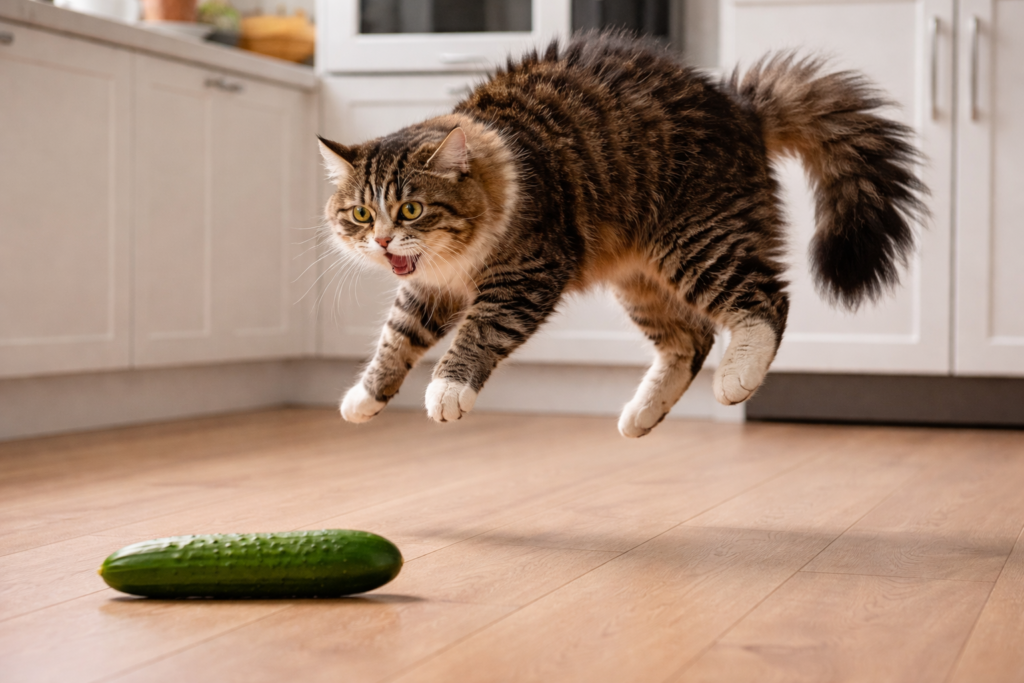
©Image license via PetsnPals/ChatGPT, illustration of startled cat and cucumber

Cats reacting to cucumbers looks humorous on screen, but the behavior reflects a real neurological alarm. These reactions occur most often in kitchens and feeding areas, where cats are relaxed and focused. What seems like comedy is actually a rapid fear response shaped by evolution, sensory processing, and environmental expectation. Veterinarians began addressing this trend publicly after viral videos spread in the mid 2010s. The behavior reveals how quickly a calm domestic setting can flip into perceived danger inside a cat’s brain.
Read more

How Household Noise Slowly Changes A Cat’s Personality

Everyday sounds shape behavior more than owners realize.

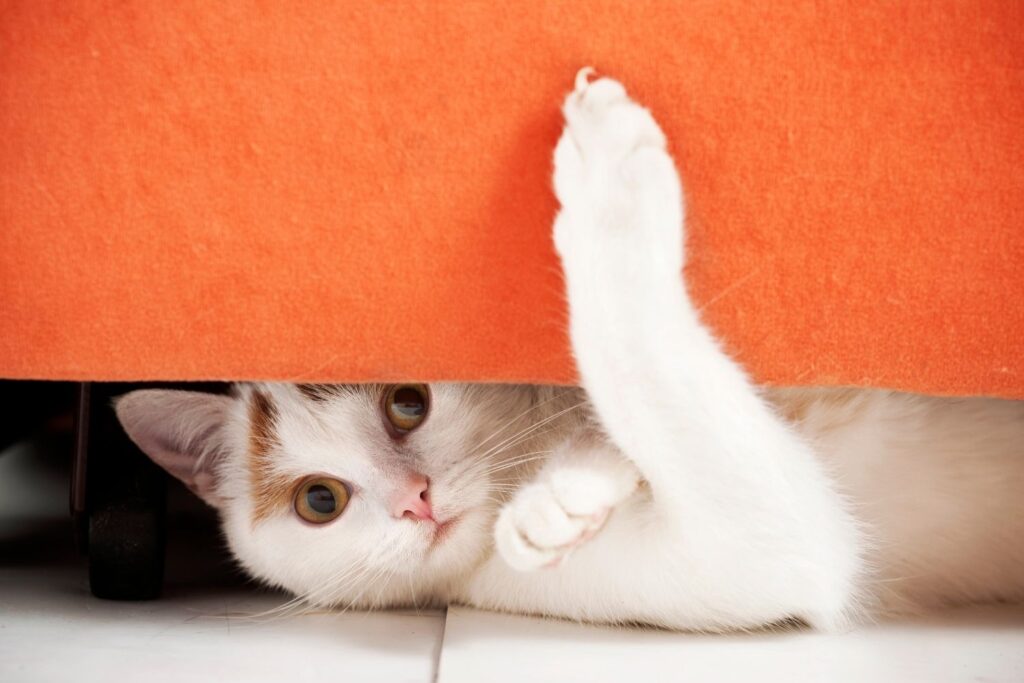
©Image license via Canva

Inside modern homes, sound rarely stops. Televisions hum, appliances cycle, phones buzz, and traffic leaks through windows day and night. Cats experience this soundscape very differently than humans do. Their hearing is far more sensitive, and their stress systems are designed for environments where silence is common and noise signals danger. When sound becomes constant, cats adapt in subtle ways that unfold over months or years. These changes often look like personality shifts, but they are learned responses to living in spaces that never fully quiet down.

Read more

How Cats Learn Household Rules Without Being Trained

They absorb patterns long before you think they notice.

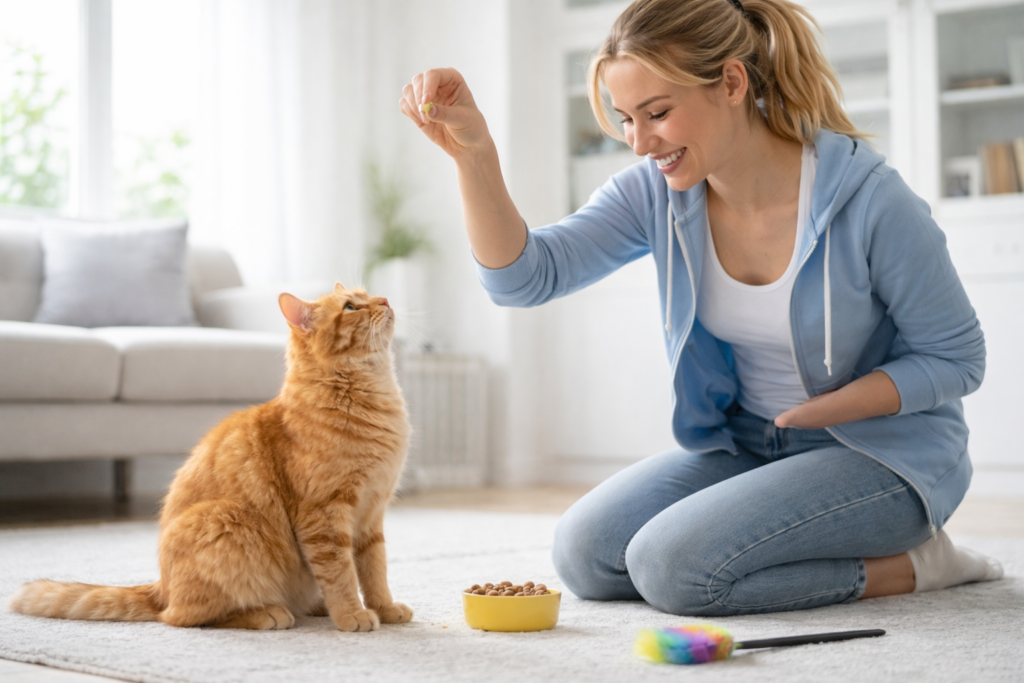
©Image license via PetsnPals/ChatGPT

Cats are rarely taught household rules, yet most learn them with surprising accuracy. They know which rooms feel off limits, when food appears, and how close is too close to the dinner table. This learning does not come from obedience or instruction. It comes from observation, repetition, emotional feedback, and self preservation. Domestic cats evolved alongside humans by reading environments rather than following commands. Inside modern homes, they rely on the same instincts. What looks like indifference is often quiet analysis happening in real time.

Read more

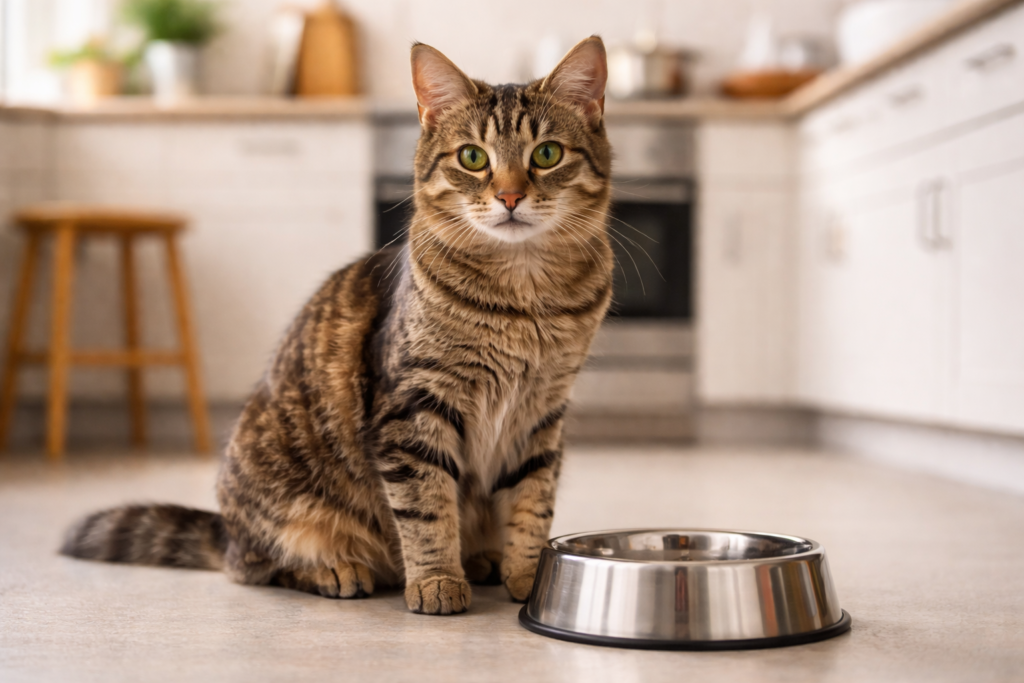
The Hidden Reason Certain Cats Refuse To Drink From A Bowl

Hydration habits reveal instincts cats never lost.

©Image PetsnPals/ChatGPT, tabby cat sitting by his water bowl

Across homes in North America, many cats ignore fresh water placed carefully in bowls yet seek out sinks, bathtubs, or dripping faucets. This behavior often confuses owners because it appears illogical or picky. In reality, it reflects ancient survival instincts layered with modern sensory challenges. Cats evolved in environments where water safety mattered, and their brains still evaluate hydration sources using cues humans rarely notice. Vision, smell, whisker input, and perceived vulnerability all influence whether a cat trusts a bowl enough to drink from it.

Read more

The Fatal Virus in Outdoor Cats That Can Spread to Your Home

What begins outdoors often follows cats inside.

©Image license via iStock

Across North America, veterinarians continue to see a deadly pattern repeat itself in both feral colonies and family homes. Outdoor cats encounter a virus that is fast, durable, and devastating, then unknowingly carry it back indoors on fur, paws, or shared spaces. The danger is not limited to roaming cats. Indoor cats can be exposed without ever stepping outside. Understanding how this virus moves, survives, and infects helps explain why outbreaks still occur in clean homes and why prevention depends on more than keeping doors closed.

Read more