Why Some Cats Never Learn To Play Like Others Do

What looks like aloofness may mask something deeper.
©Image license via Canva

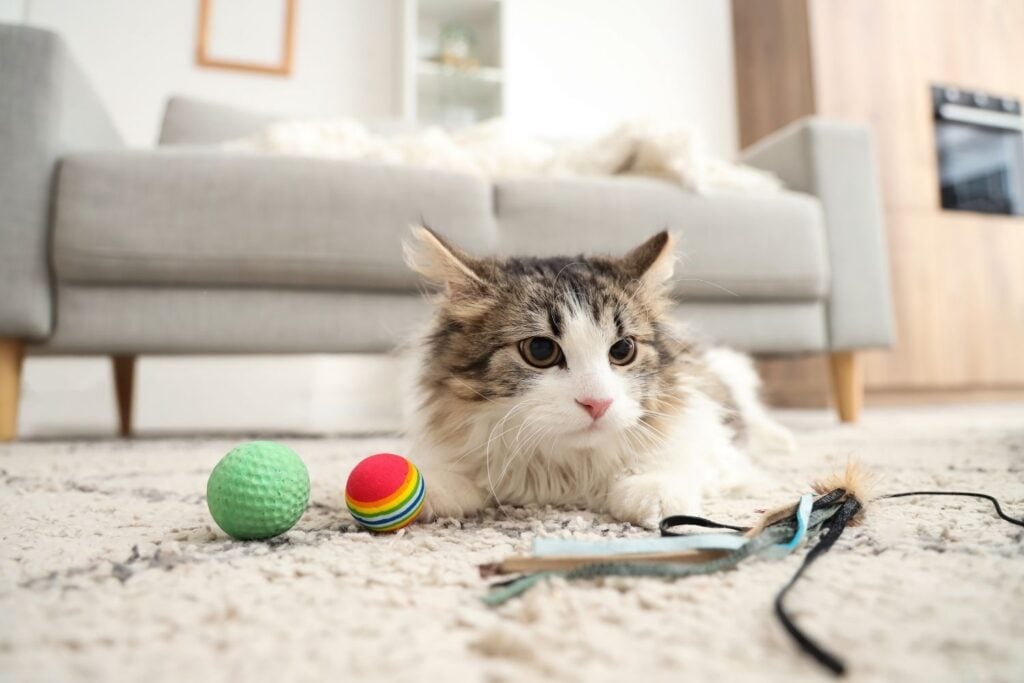
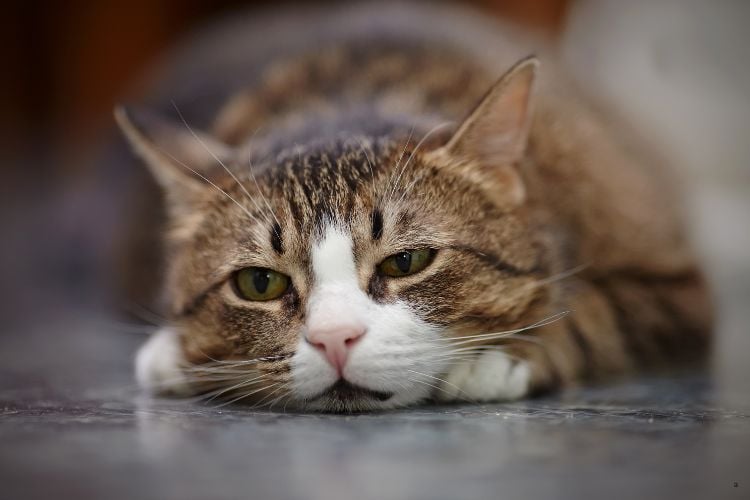
Play is often treated as a universal language of cats, yet many owners notice something unsettling. One cat stalks toys relentlessly, while another ignores every string, laser, and ball. This contrast raises quiet concern about development, temperament, and well being. Veterinarians and behaviorists say play avoidance is rarely random. It often traces back to timing, environment, biology, or early experience. Understanding why some cats never engage the same way reveals hidden pressures shaping their behavior long before toys ever appeared.
Read more

Microplastics Found in Places They Should Never Be

Something crossed a boundary scientists assumed still held.

©Image license via Canva

Until recently, some parts of the body were considered protected by biology itself. Barriers existed for a reason. They filtered, blocked, and decided what was allowed through. New findings are now challenging that assumption. Researchers examining a place meant to protect life found traces of something entirely foreign, material designed to last, not belong. The discovery raises questions about how far modern pollution has traveled and what it means when substances created for convenience begin appearing where separation was once absolute.

Read more

11 Signs Your Cat May Be Ready To Cross the Rainbow Bridge

The hardest decision often arrives quietly.

©Image license via Canva


There are moments with a beloved cat that feel different, softer, heavier, harder to name. Daily routines shift. Small changes linger instead of passing. What once felt manageable begins to feel like waiting. For many owners, the question is not about love, but about timing, comfort, and responsibility. Knowing when to let go rarely comes with certainty or clarity.

It unfolds through signs that are easy to second guess and painful to acknowledge. This is not about giving up. It is about listening closely, weighing quality of life, and recognizing when staying may no longer be the kindest option for someone who has trusted you completely.

Read more

When Excessive Grooming Means Something Far More Dangerous

What looks harmless can hide serious internal trouble.

©Image license via Canva

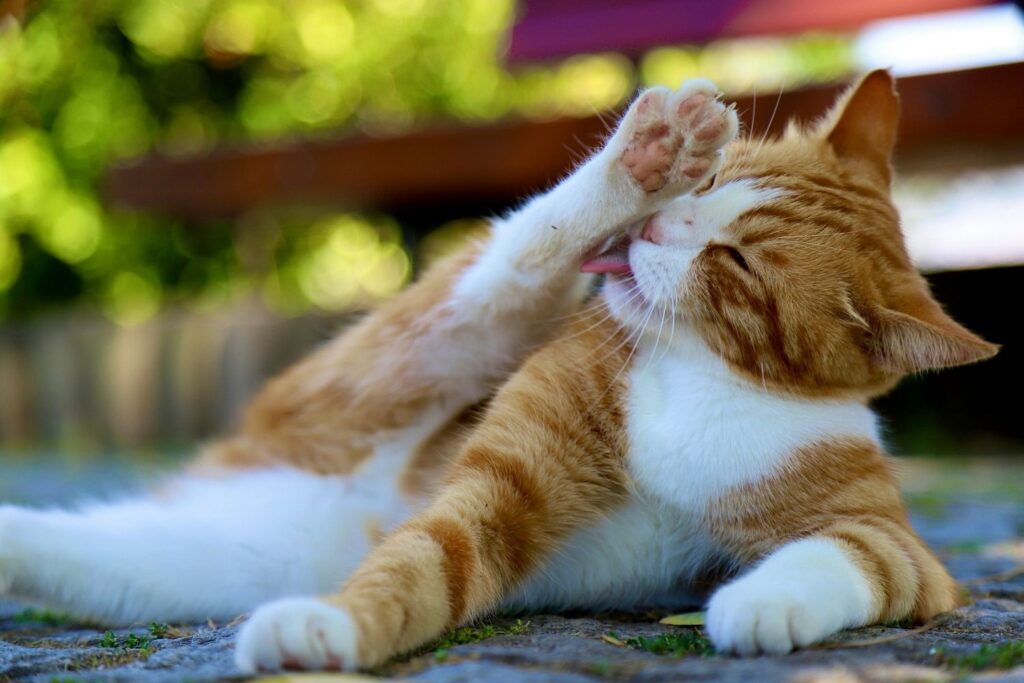
Excessive grooming in cats often starts subtly, blending into normal routines that owners barely notice. Veterinarians across North America report that many serious diagnoses are delayed because grooming appears comforting or benign. The danger is not the behavior itself, but what drives it beneath the surface. By the time hair loss or sores appear, the underlying cause may already be advanced. Understanding when grooming crosses from habit into warning sign can determine whether a cat receives early care or faces escalating medical consequences.

Read more

If You Want Your Cat to Trust You, Avoid These 9 Words

Everyday language can quietly damage feline trust.

©Image license via Canva

Cats do not build trust through affection alone. They assess safety through patterns, tone, and predictability, especially inside the home. Words humans repeat casually can become markers for stress, restraint, or loss of control. Behaviorists note that cats often react less to actions than to the sounds that reliably precede them. Over time, certain phrases signal trouble before it arrives. The result is distance that feels sudden but has been forming slowly. Understanding how common words become emotional cues helps explain why trust erodes even in calm, loving households.

Read more