If You Have These 8 Social Traits, People Tend to Trust You Faster

Trust forms before logic ever gets a vote.

©Image license via Canva

Trust rarely arrives through arguments or credentials. It forms quietly, often within moments, as the brain scans for safety, predictability, and emotional signals it has learned to rely on. Social neuroscience shows that people decide who feels trustworthy long before they can articulate why. These judgments are not random. They are rooted in patterns of behavior that signal stability, awareness, and respect. People who carry these traits often become trusted faster not because they try to be trusted, but because their presence lowers uncertainty for everyone around them.
Read more

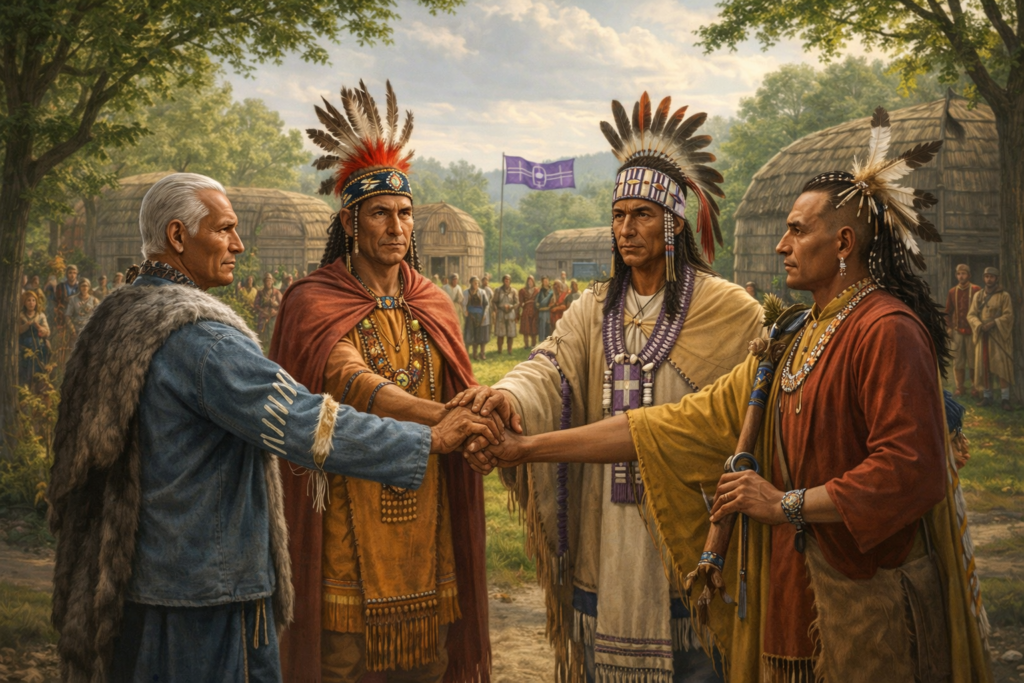
How the Iroquois Great Law of Peace Shaped Modern Democratic Thought

An Indigenous system quietly influenced Western governance.

©Image PetsnPals/ChatGPT, Leaders of the Iroquois Confederacy united

Centuries before modern constitutions were drafted, the Haudenosaunee Confederacy governed itself through a detailed political framework designed to stop cycles of violence and concentrate power responsibly. Known as the Great Law of Peace, this system emerged in what is now the northeastern United States and southern Canada, likely between the 12th and 15th centuries. When European colonists arrived, they encountered not fragmented tribes but a functioning, durable political union. Observers did not always understand it fully, but its principles lingered. Over time, they subtly reshaped how democracy itself would be imagined.

Read more

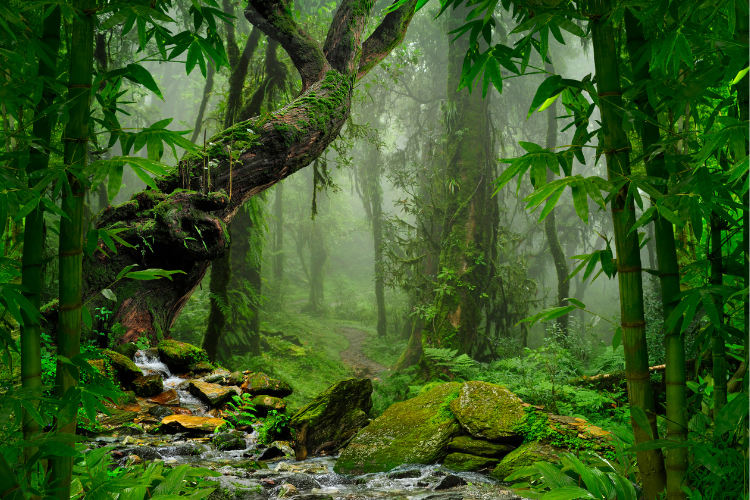
Scientists Say the Amazon Is Entering a Hypertropical State Not Seen for Millions of Years

Heat and moisture are reshaping the rainforest core.

©Image via Canva

For much of modern science, the Amazon was treated as ancient and steady, a system that changed slowly enough to anchor global climate models. That picture is cracking. Measurements from satellites, weather stations, and forest plots now point to conditions that resemble deep geological pasts rather than recent history. Scientists describe this shift as hypertropical, meaning heat and moisture are rising together in ways that fundamentally alter how the forest functions. The changes are uneven, sometimes subtle, but they are accelerating. What emerges may still be rainforest, but it will not behave like the Amazon we thought we knew.

Read more

Why Millennials Are Abandoning Homeownership In Cities They Once Fought To Live In

The dream changed quietly, then all at once.

©Image PetsnPals/ChatGPT, Young couple moving out of the city

For years, major cities were magnets for millennials chasing careers, culture, and belonging. Homeownership was supposed to follow once stability arrived. Instead, the opposite happened. Across the last decade, many millennials have stepped back from buying homes in the very cities they once scrambled to afford. This shift is not about disinterest or delay. It reflects lived experience colliding with economic reality. What looks like retreat is often a deliberate recalibration shaped by risk, memory, and a changing definition of security.

Read more

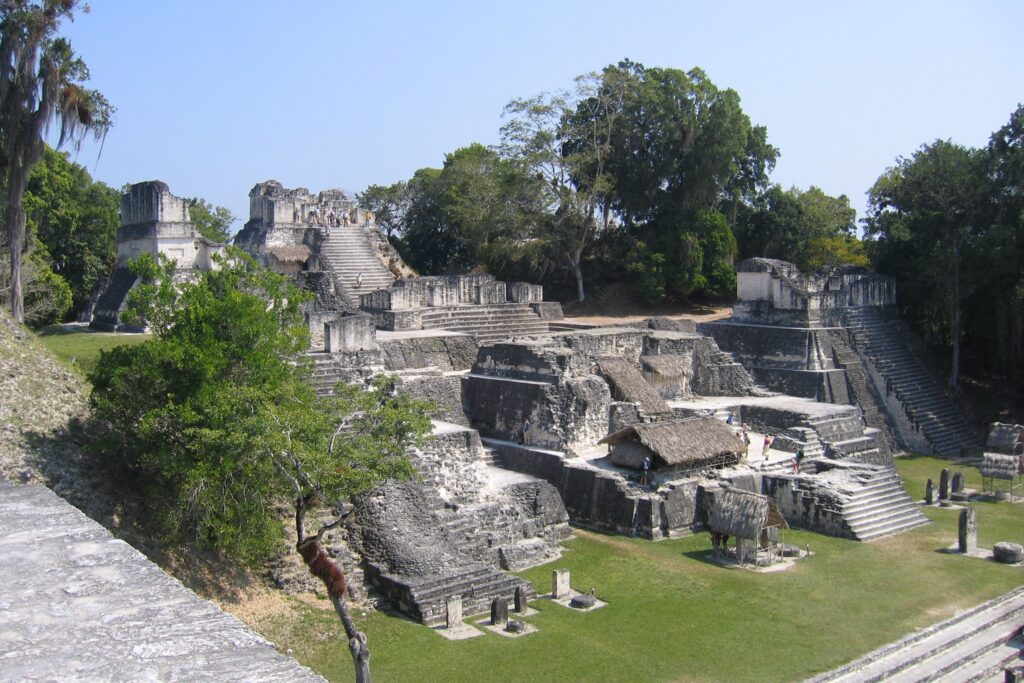
Archaeologists Reveal the Maya Built Water Filtration Systems Centuries Before Europe

Ancient cities solved water safety far earlier.

©Image license via Wikimedia Commons/Peter Andersen

For decades, Maya cities were described as vulnerable to drought and disease, dependent on seasonal rains and exposed reservoirs. That picture has changed. Excavations in northern Guatemala revealed engineered filtration systems built more than a thousand years ago, quietly protecting drinking water long before similar solutions appeared in Europe. These systems were not accidental or primitive. They were planned, maintained, and tied to urban survival. What archaeologists uncovered reshaped assumptions about ancient engineering, public health, and how early civilizations understood the invisible dangers in water.

Read more