Octopuses Aren’t Just Smart, They’ve Been Seen Throwing Things

Underwater behavior is revealing startling social awareness.
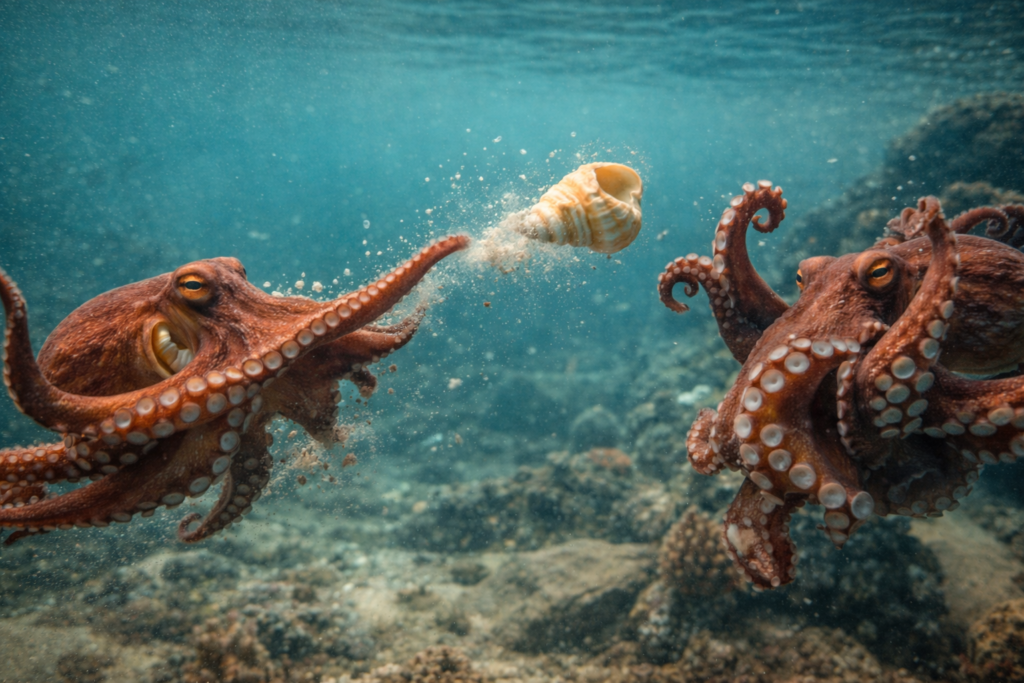
©Image PetsnPals/ChatGPT, Octopuses in a seashell standoff

For years octopuses were known for problem solving escape skills and camouflage. Then divers in places like Jervis Bay Australia began noticing something unsettlingly deliberate. Octopuses were gathering debris and forcefully launching it through the water. Shells algae sand and stones moved with direction and timing. These were not accidents. Scientists started paying attention because the throws happened during interactions not isolation. What looked playful at first is now reshaping how intelligence and intent are understood beneath the ocean surface.
Read more

If a Coyote Appears in Your Yard, Experts Say This Step Matters Most

One calm decision shapes everything that follows.

©Image license via iStock

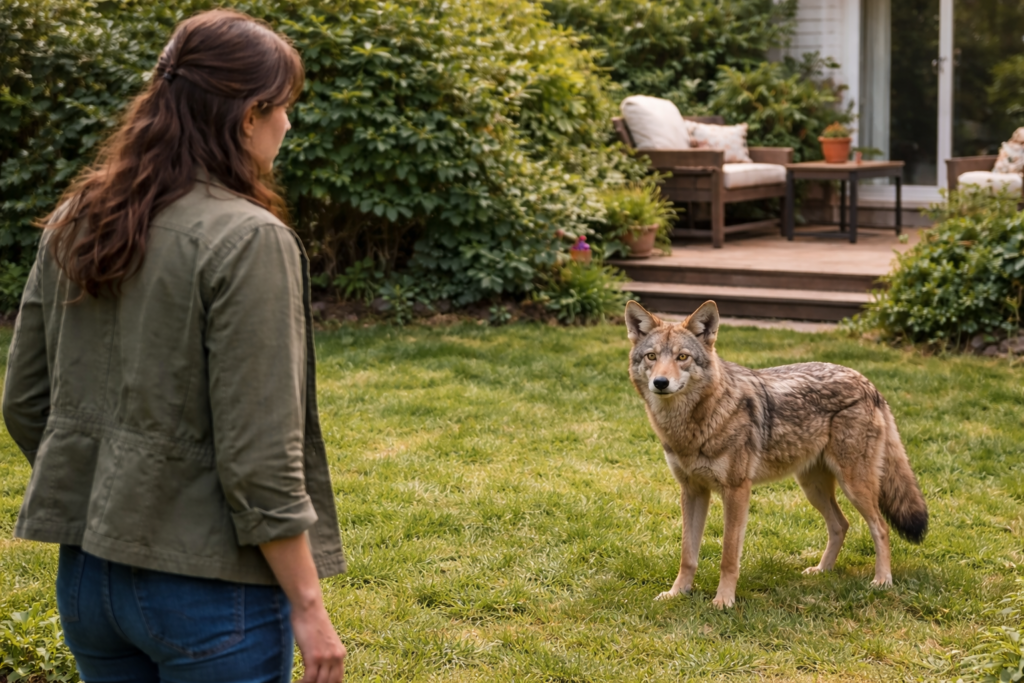
Coyotes now move comfortably through suburbs from Los Angeles to Denver to Toronto. Seeing one in a yard can feel sudden and unsettling, especially during early morning or dusk. Yet these encounters rarely turn dangerous when humans respond correctly. Wildlife biologists stress that the first moments matter because coyotes quickly learn from outcomes. A single reaction can either reinforce fear or accidentally teach confidence. What you do next sets the tone not just for that coyote, but for future visits as well.

Read more

Why African Elephants Need To Adapt

Poaching pressure is reshaping elephant biology and behavior.

©Image license via Canva

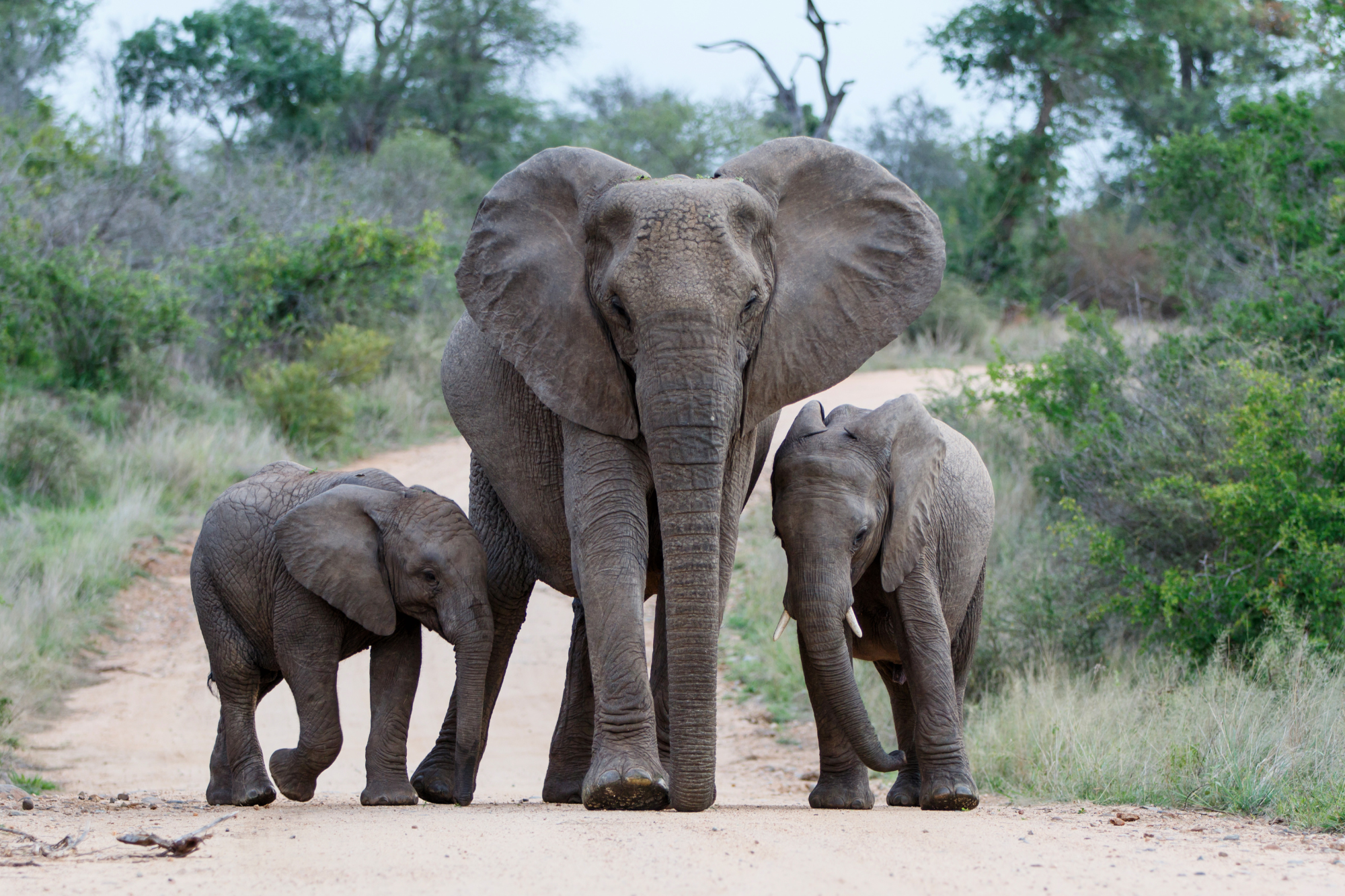
In several regions of Africa, elephants are being born without tusks at rates never recorded before. Biologists say this is not a natural trend unfolding slowly over millennia, but a rapid response to intense human pressure. Decades of poaching have made tusks a lethal liability, favoring elephants that lack them entirely. Researchers are now tracking how this forced shift is affecting feeding behavior, social dynamics, and long-term survival, raising difficult questions about how wildlife adapts when evolution is driven by human threat rather than environment alone.

Read more

11 Animals Experts Say Should Never Be Released into the Wild

When release turns compassion into ecological damage.

©Image license via Canva

Across decades, well meaning releases have rewritten ecosystems faster than recovery can follow. Pets, rehabilitated animals, and escapees often carry advantages or vulnerabilities that ripple outward once freed. From Florida wetlands to city power grids, consequences appear years later, costly and difficult to reverse. Biologists stress that release decisions hinge on ecology, behavior, and place, not intention alone, because nature remembers every introduction long after people move on during modern conservation debates, policy planning, public education, enforcement, funding, priorities, nationwide.

Read more