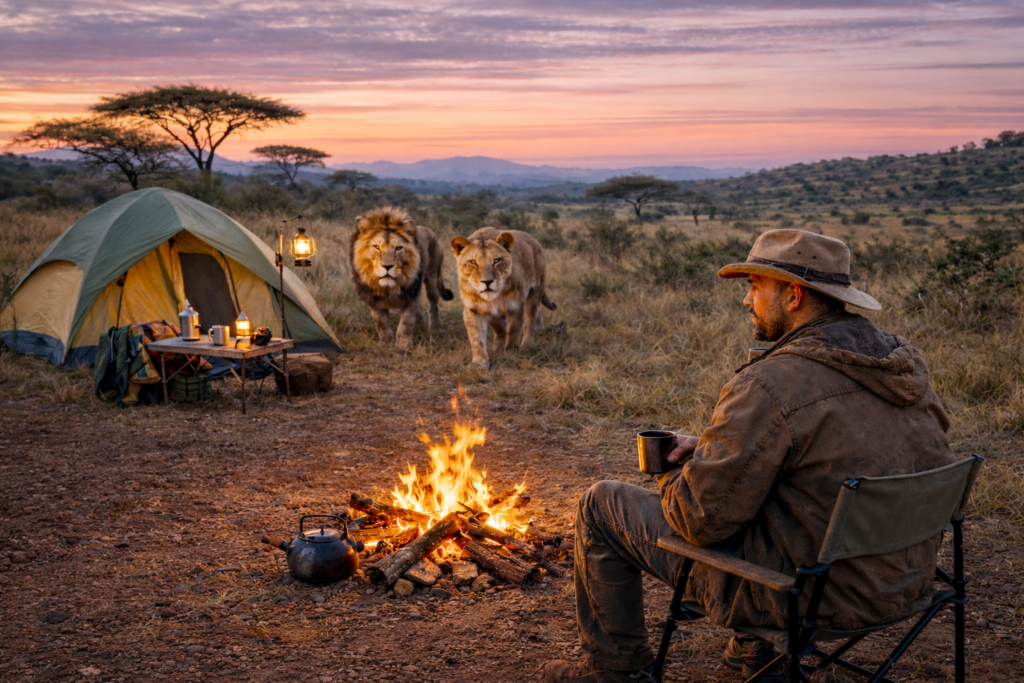
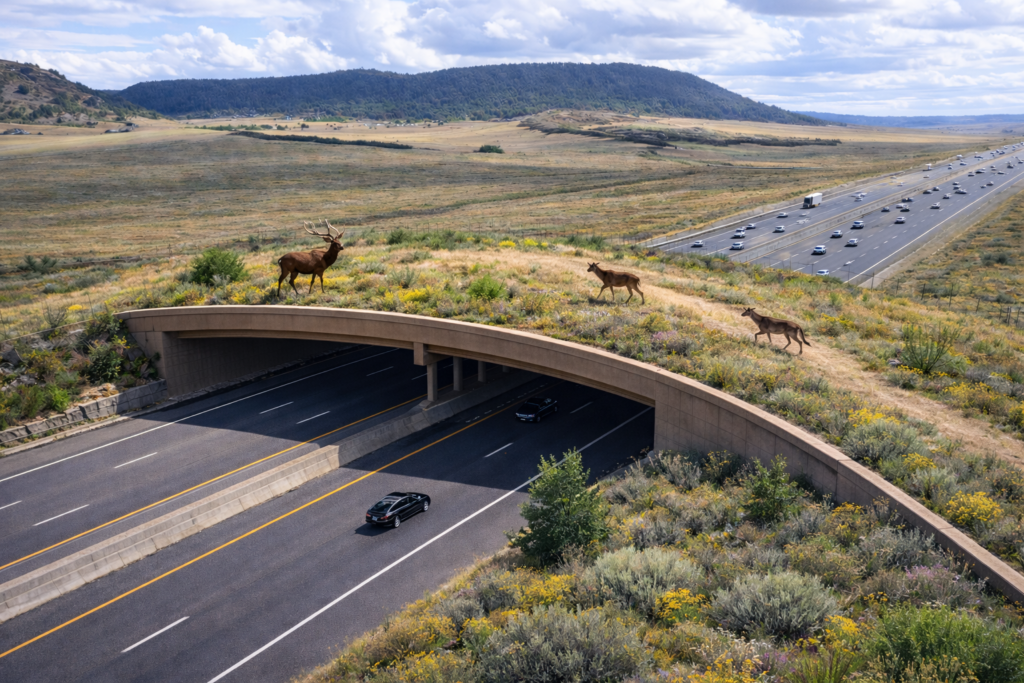
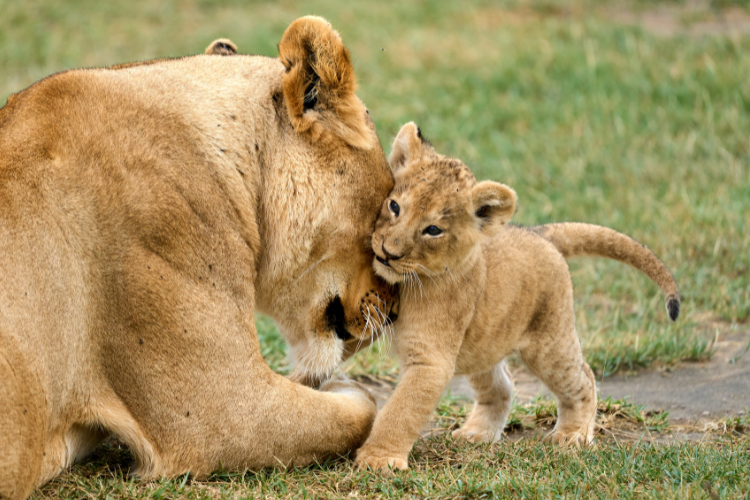
Genetic changes in animals are no longer reversible.
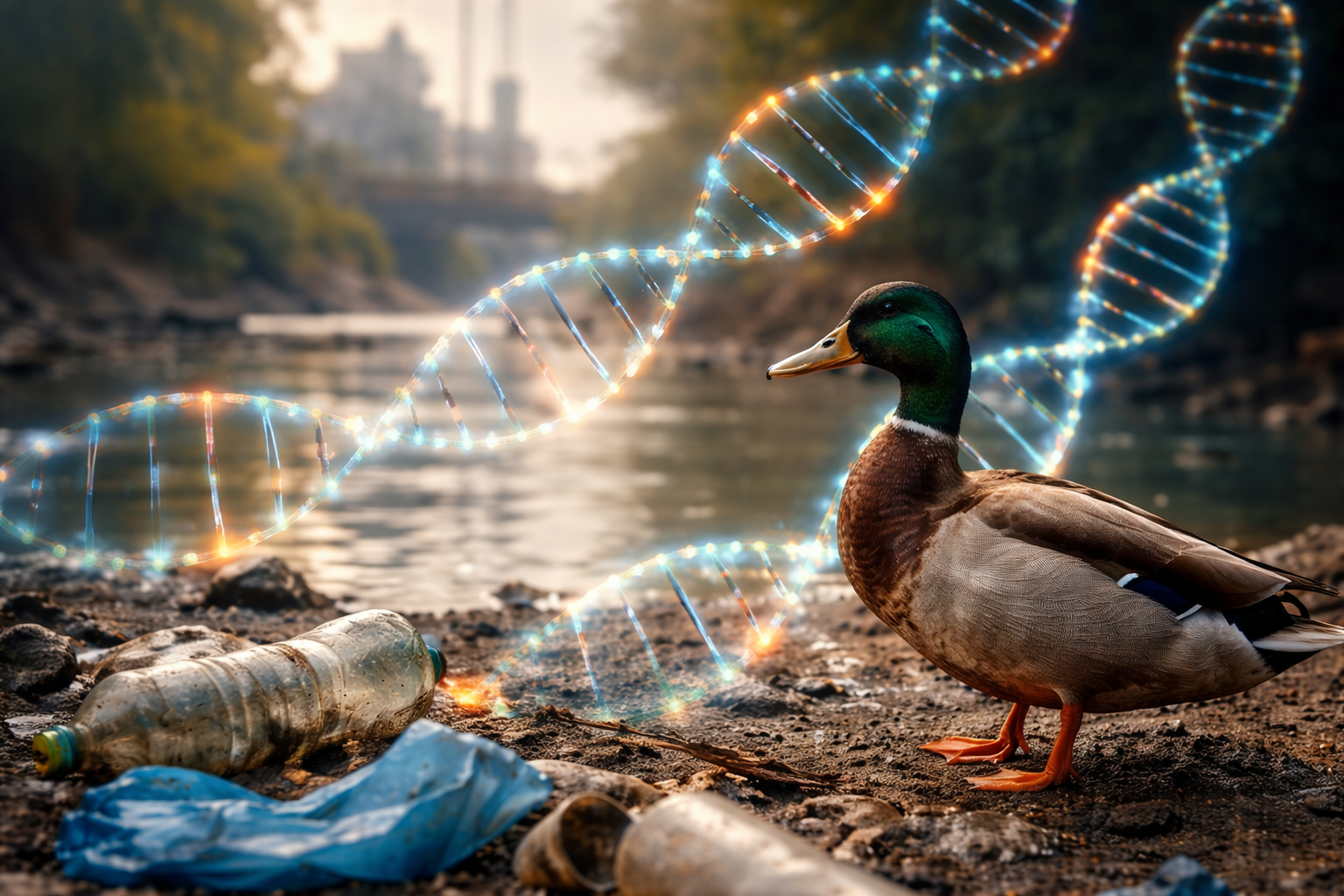
For decades, scientists believed pollution harmed wildlife mainly through illness, population loss, or habitat damage. New genetic research suggests something deeper is happening. Exposure to chemicals, heavy metals, and industrial byproducts is altering how some animals express and pass on their genes, sometimes permanently. These changes do not stop with wildlife. Researchers warn that genetic shifts moving through ecosystems can ripple outward, affecting food chains, disease dynamics, and even human health in ways that are only beginning to come into focus.